Tokyo Events 2026: Exhibitions, Festivals and Night Events
Use each card’s status and exact dates to choose between an indoor museum visit, a date-and-venue-specific festival, or a later-running neighborhood event. Keep the event area and return route on the same side of Tokyo where possible. The ended archive is planning context, not a current recommendation.
8 public eventsKanto東京都
Photo: Site owner/Owner-provided site photo
September 19, 2026 – November 8, 2026Ongoing
Water Margin — Tokyo Station Gallery
19 Sep–8 Nov; 10:00–18:00, Fridays to 20:00, last entry 30 minutes before close. Monday closure with holiday/final-week/Silver Week exceptions; consult calendar.
Chinese and Japanese artworks trace the novel's reception; this is a temporary exhibition, not a daily live performance.
Venue
Tokyo Station Gallery, Marunouchi, Chiyoda, Tokyo
2026 · October 3–4, 6–12, 14–18, 20–25, 27–31; November 1, 3–8, 10–15, 17–23, 25–29; December 1–6, 8–13, 15–20Cultural exhibitionsUpcoming
The Tokyo leg of this touring exhibition traces Marimekko’s printmaking and design history through more than 60 dresses, celebrated patterns, archival material and new installations.
The exhibition follows Marimekko from Armi Ratia’s founding of the company in 1951 through a design archive of more than 3,500 prints. More than 60 dresses connect fabric patterns to changing silhouettes, while named works such as Unikko, Seireeni, Iso Unikko, Kaivo and Siirtolapuutarha show how recurring motifs moved across decades and collections.
The Tokyo presentation also includes plaplax’s video installation about the Helsinki print factory and a new installation by Akira Minagawa. Japanese connections include designers Katsuji Wakisaka and Fujiwo Ishimoto. The Main Building—the former Prince Asaka residence—adds an Art Deco architectural setting to the design history; it should not be mistaken for a Marimekko installation itself.
Official source noteAccess tipsGoogle Maps readyCheck before going
Venue
Tokyo Metropolitan Teien Art Museum, Main Building and Annex
Nearest station
Shirokanedai or Meguro Station
Reservation
Check ahead
October 26, 2026 – November 4, 2026Upcoming
39th Tokyo International Film Festival
26 Oct–4 Nov; individual screenings and events follow their own programme and ticket rules.
Use the public festival programme to choose a screening; this record does not represent the separate industry market.
Venue
Hibiya, Yurakucho, Marunouchi and Ginza area venues, Tokyo
October 31, 2026 – November 1, 2026Upcoming
Roppongi Art Night 2026
31 Oct–1 Nov overnight festival; installations and venue opening periods differ. No single continuous interval is asserted.
Art installations and performances are spread across Roppongi; choose venues from the programme, with some admission charges separate.
Venue
Roppongi district venues and public spaces, Minato, Tokyo
November 7, 2026 & November 19, 2026FestivalsUpcoming
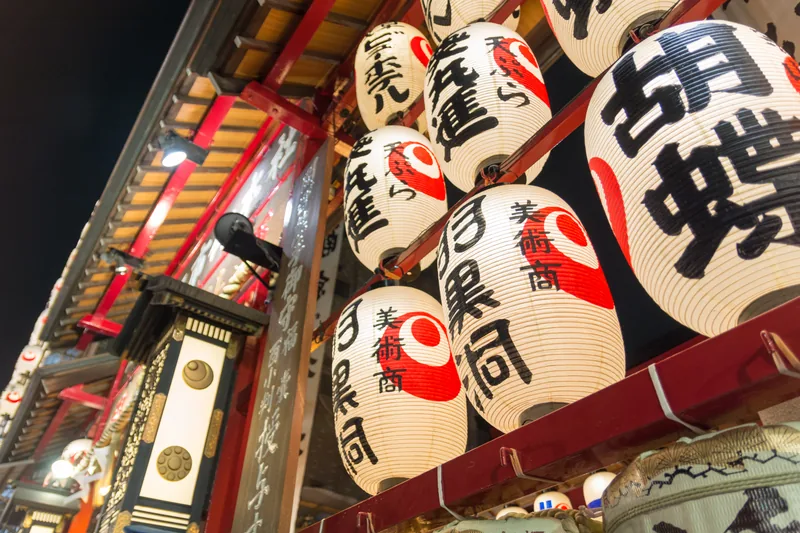
Past event referencePhoto: Yoshikazu TAKADA from Tokyo Japan · Wikimedia Commons · CC BY 2.0 · Resized and cropped for display
Asakusa Tori no Ichi 2026 is officially held on two separate Tori days, November 7 and November 19, at Chokokuji Temple Grounds in Taito. Each official event day runs from 00:00 to 24:00, so visitors should treat the two dates as separate visits rather than as one continuous festival period.
A strong pick for travelers who want a traditional Tokyo fair with shrine-market atmosphere, late-night energy, and lucky-rake shopping, but it works best if you can handle dense crowds and flexible timing instead of expecting a tightly managed event flow.
Official source noteAccess tipsGoogle Maps readyCheck before going
Venue
Chokokuji Temple Grounds
Reservation
Usually not required
November 14, 2026 – March 28, 2027Upcoming
What a Wonderful World: Masterworks from the Musée d’Orsay
09:30–17:30, Fridays until 20:00; Mondays closed with official holiday exceptions. 23 Nov open and 24 Nov closed; later year-end closures also apply.
Paintings, sculpture and other works examine everyday life.
Venue
Tokyo Metropolitan Art Museum, special exhibition galleries, Ueno, Tokyo
November 19, 2026 – January 11, 2027Upcoming
Ways of Reading — Tokyo Metropolitan Art Museum
09:30–17:30, Fridays until 20:00; closes 7 Dec and 21 Dec–3 Jan. Last admission 30 minutes before close.
A free temporary exhibition brings five artists into dialogue; galleries A/C are distinct from the simultaneous archives display.
Venue
Tokyo Metropolitan Art Museum, galleries A/C, Ueno, Tokyo
November 19, 2026 – January 11, 2027Upcoming
The History of the Tokyo Metropolitan Art Museum
09:30–17:30, Fridays until 20:00; closes 7 Dec and 21 Dec–3 Jan. Last admission 30 minutes before close.
The free anniversary archives exhibition traces the museum's history; it is not the institution's ordinary permanent opening.
Venue
Tokyo Metropolitan Art Museum, gallery B, Ueno, Tokyo
Ended event archive
September 26, 2026 · 6:30 PM–7:40 PM JSTFireworksEnded
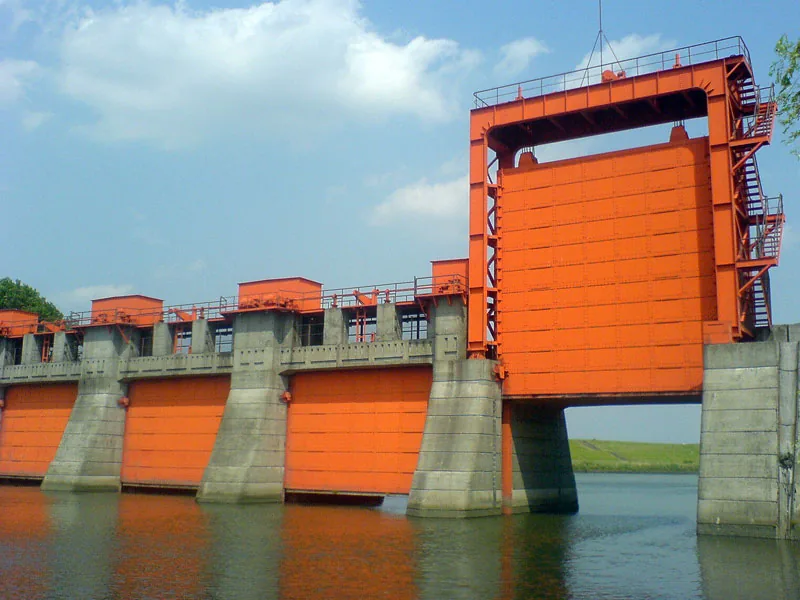
Historical venue context · Iwabuchi SluicePhoto: Jmho · Wikimedia Commons · CC0 1.0 · Resized and cropped for display
Kita City Fireworks 2026 is officially scheduled for September 26 with the event opening at 18:30 around the Arakawa / old Iwabuchi Sluice area, using a mix of free areas, paid areas and area-specific entry rules.
A strong late-September Tokyo fireworks choice if you are willing to choose your side, area and ticket plan before going. It is not a casual riverbank drop-in: free areas can be regulated, paid areas have ticket rules, and the organizer explicitly expects crowd and exit control.
Official source noteAccess tipsGoogle Maps readyCheck before going
Venue
Arakawa riverbank around the old Iwabuchi Sluice / Akabane and Kawaguchi viewing areas
Nearest station
Akabane / Akabane-iwabuchi / Kawaguchi
Reservation
Check ahead
September 12, 2026 · 6:15 PM–7:15 PM JSTFireworksEnded
Chofu Fireworks 2026 is scheduled for September 12, with fireworks from 18:15 to 19:15 along the Tamagawa River viewing areas in Chofu. Official pages separate paid-seat areas and free viewing zones, so area choice matters. The official programme calls ハナビリュージョン (Hanavision) a music-and-fireworks collaboration, which may suit visitors who value that coordinated format as well as riverbank viewing.
A strong Tokyo river-fireworks choice if you are willing to choose your side and area before leaving. It is less forgiving for visitors who want to wander between venues or rely on last-minute transport decisions.
Official source noteAccess tipsGoogle Maps readyCheck before going
Venue
Chofu Tamagawa River viewing areas
Nearest station
Fuda / Chofu / Keio-Tamagawa
Reservation
Usually not required
August 29, 2026 5:00 PM – August 30, 2026 8:00 PM JSTFestivalsEnded
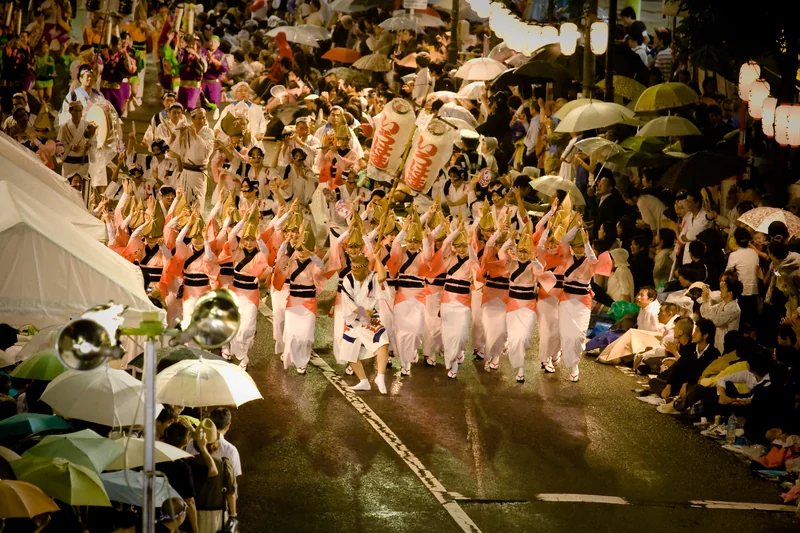
Koenji's 2026 Awa Odori runs August 29 and 30, 17:00-20:00, across eight performance areas around JR Koenji and Shin-Koenji stations.
One of Tokyo's strongest street-festival evenings if you choose a small viewing strategy before entering the crowd. Trying to follow every team through all eight areas is stressful and unnecessary.
Official source checkedAccess tipsGoogle Maps readyTravel notes included
Venue
Koenji Awa Odori Area
Nearest station
高円寺駅 Koenji Station (JR Chuo / Sobu lines; access to the north/south shopping-street performance venues) / 新高円寺駅 Shin-Koenji Station (Tokyo Metro Marunouchi Line; access to Konan-dori and southern performance venues)
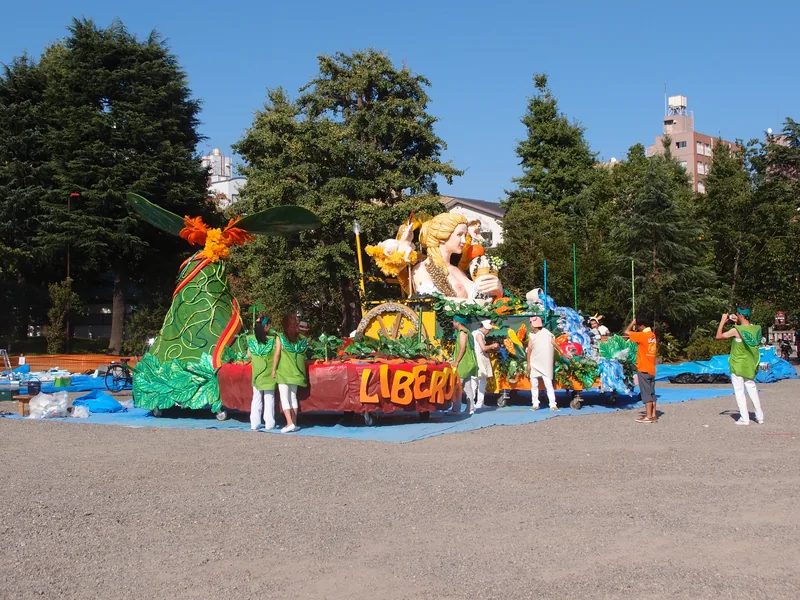
Past event float referencePhoto: Guilhem Vellut from Annecy, France · Wikimedia Commons · CC BY 2.0 · Resized and cropped for display
Asakusa Samba Carnival 2026 is officially scheduled for August 29 with a 13:00 start, although the organizer says the time may change. For visitors, it works best as a choose-one-section late-summer street event along the Umamichi-dori to Kaminarimon-dori route rather than as a casual wander along the whole course.
A strong Tokyo festival pick if you want high-energy parade atmosphere and can handle standing-only viewing, summer heat, and heavy street crowds. It is less suitable for visitors who need confirmed seating, low-pressure movement, or a fixed weather rule before leaving the hotel.
Official source noteAccess tipsGoogle Maps readyCheck before going
Venue
Asakusa Samba Carnival Parade Route (Umamichi-dori to Kaminarimon-dori)
Nearest station
Asakusa Station / 浅草站
Reservation
Usually not required
August 29, 2026 · 8:00 PM–8:30 PM JSTFireworksEnded
Akishima Whale Festival Dream Fireworks 2026 is listed by GO TOKYO for August 29 from 20:00 to 20:30 near Showa Park Athletics Sports Ground in western Tokyo. The organizer frames the fireworks as the first-night highlight of the Akishima Citizen Whale Festival, with rail access from Higashi-Nakagami and Nishi-Tachikawa as the practical base.
Choose Akishima when you want a local Tokyo-west festival atmosphere rather than another large riverbank fireworks night. It is useful for travelers already staying on the Chuo / Ome-line side, but it is not a page to treat as a certain reserved-seat or low-crowd plan.
Official source noteAccess tipsGoogle Maps readyCheck before going
Venue
Showa Park Athletics Sports Ground area
Nearest station
Higashi-Nakagami / Nishi-Tachikawa
Reservation
Not confirmed — check the official page
Visitor planning notes
For an indoor half-day, compare the Ueno and Tokyo Station exhibitions by subject, exact open date, and any reservation note on the card. Fukuro Matsuri and Tokyo Yosakoi use separate September and October phases, so confirm the exact date and venue instead of treating them as one continuous run.
Roppongi Art Night and Asakusa Tori no Ichi are later-running choices that need a deliberate return plan. Fireworks and summer-festival cards under the ended archive remain planning context only.
Start with the kind of day you want, then use the card’s status, exact date, venue and entry note to test whether it fits.
Choose a Ueno or Tokyo Station exhibition for an indoor half-day.
Treat Fukuro Matsuri and Tokyo Yosakoi as separate September and October phases.
Choose Roppongi Art Night or Asakusa Tori no Ichi only with a deliberate return plan.
Getting around
Start with Tokyo Station, Shinjuku, or the Ueno and Asakusa area as planning anchors. For riverside events, decide your arrival and exit stations before you enter the crowd flow.
Tokyo Station is useful for long-distance arrivals.
Shinjuku works well for western Tokyo festival routes.
Ueno and Asakusa help with Sumida River area planning.
Crowd and weather cautions
Major Tokyo events can become slow-moving after the main program ends. Rain, heat, station controls, and viewing-area changes can affect the plan more than distance on the map.
Pick a simple return route for fireworks nights.
Keep a nearby indoor fallback for weather-sensitive plans.
Avoid stacking two high-crowd events in one evening.
Choose your Tokyo arrival anchor before the first transfer
Tokyo's city-guide anchors help organize an event day, but the airport arrival comes first. Official Tokyo guidance identifies rail, bus and taxi access from both major airports; from Haneda, rail routes reach Shinagawa or Hamamatsucho. Use that first junction and your next commitment to choose the initial city plan, then verify live details with the relevant official service.
Before leaving the airport, write down the actual first city commitment—accommodation, meeting point, or event—and use it to choose an arrival-side junction rather than treating central stations as interchangeable.
For a Haneda rail plan, compare Shinagawa and Hamamatsucho as different first junctions; decide which makes the next city leg simpler, not which sounds closest on a map.
If you need current advice after arrival, use a relevant Tokyo Tourist Information Center, then recheck terminal, timetable, fare, accessibility and service conditions with the official operator.
Two Tokyo anchors that keep the day legible
Choose one side of the city first, then let the event and return route determine how much else fits.
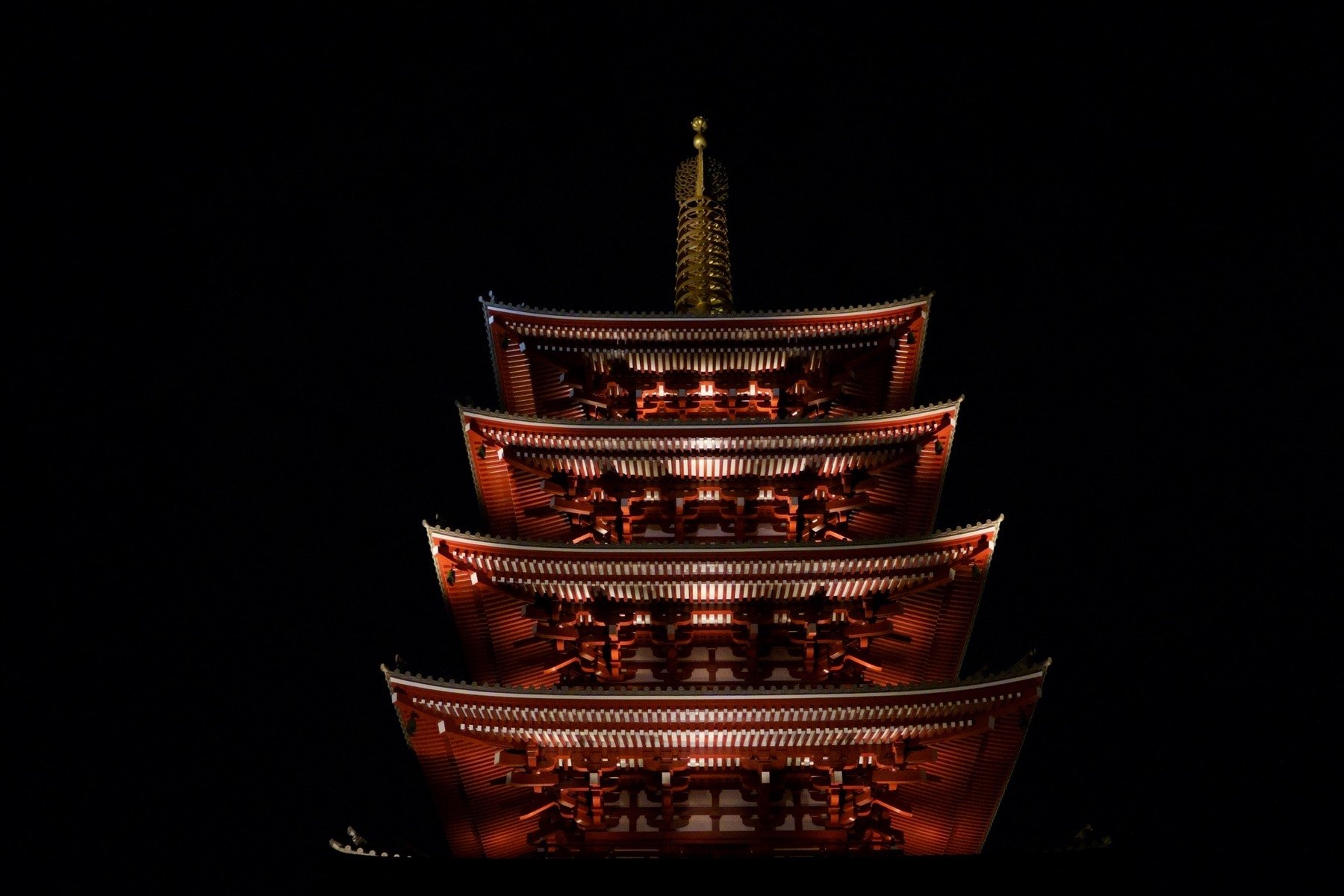
Photo: Site owner/Owner-provided site photo
Asakusa evening anchor
Use Asakusa as an eastern Tokyo base when the day leads toward Sensoji, the Sumida River, or an Oshiage-side exit. Keep the temple area and the event route as separate checks: a familiar landmark does not remove crowd controls or access changes.
Route
Ueno → Asakusa → Sumida riverside / Oshiage
Planning judgment
Best used before a Sumida-side evening. Decide the exit station before the riverfront crowd builds.
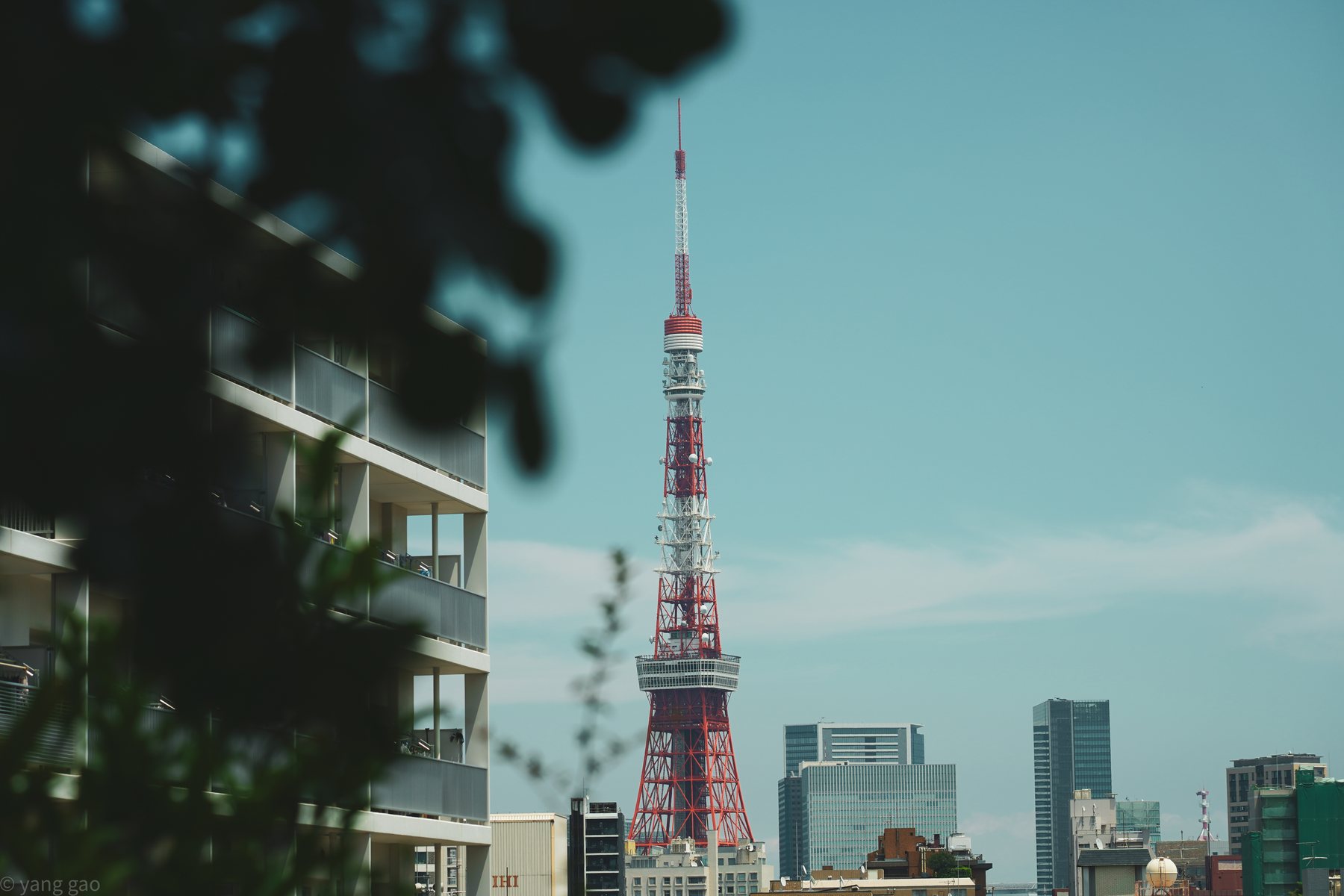
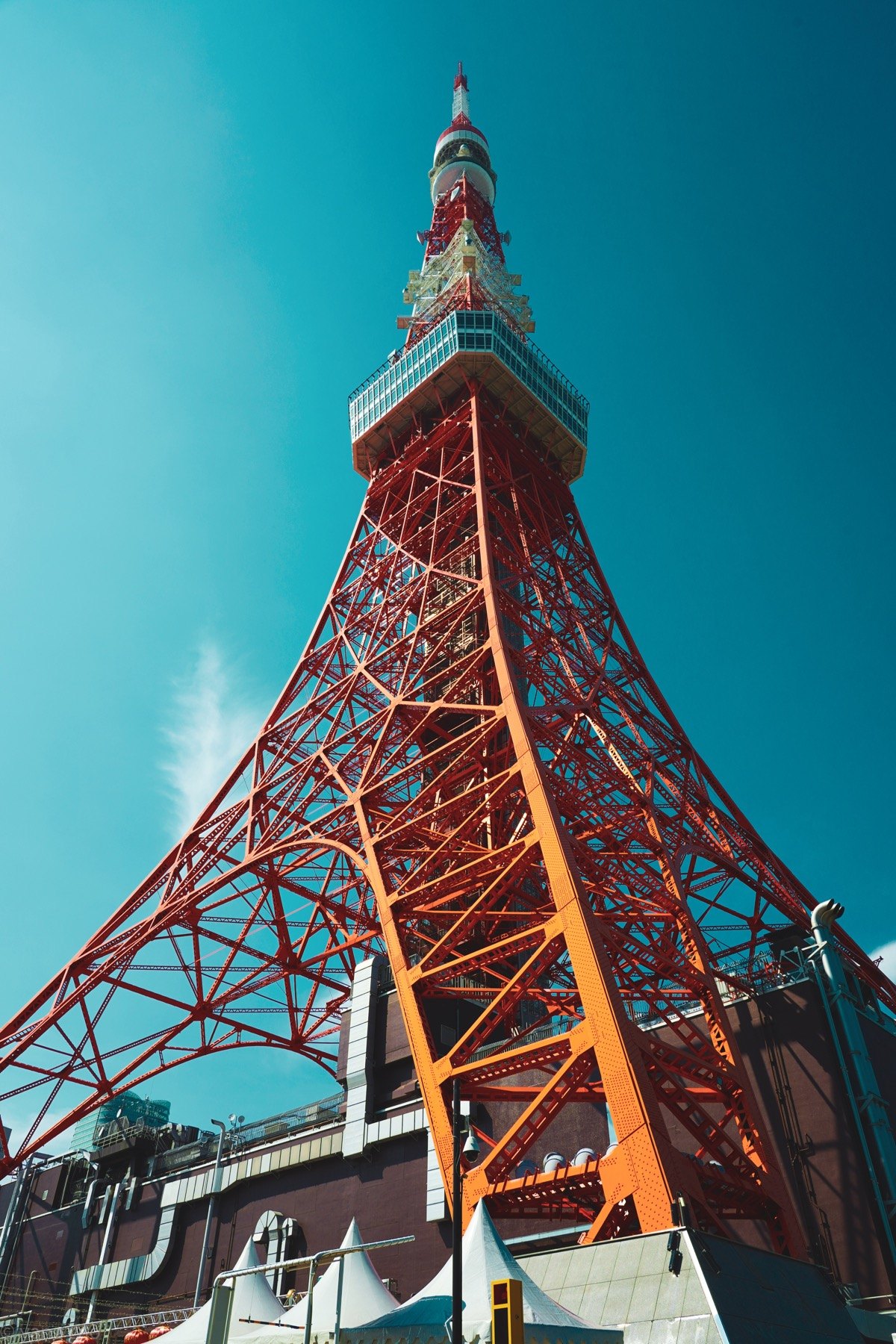
Use the Tokyo Tower area as a clear central-south landmark between Hamamatsucho, Shiba Park, and nearby rail lines. It works better as a focused daytime or early-evening stop than as another distant add-on after a major event.
Route
Hamamatsucho → Shiba Park → Tokyo Tower area
Planning judgment
Check current facility hours and prices if you plan to enter the tower; the owner photo is route context, not a live operating-status image.
Use the Tokyo hub to choose the event area, then test whether the day still works: ticket or reservation friction, viewing-side choice, late exit and language backup. Keep live status, capacity, weather and transport execution on the event page and organiser source.
Use Mount Takao as a separate western Tokyo day trip, not as an add-on after a crowded evening event. The mountain is easy to reach from Shinjuku, but autumn weekends can be busy and the return still needs daylight and weather planning.
Route shape
Shinjuku → Takaosanguchi → cable car or selected trail → early return
Season check
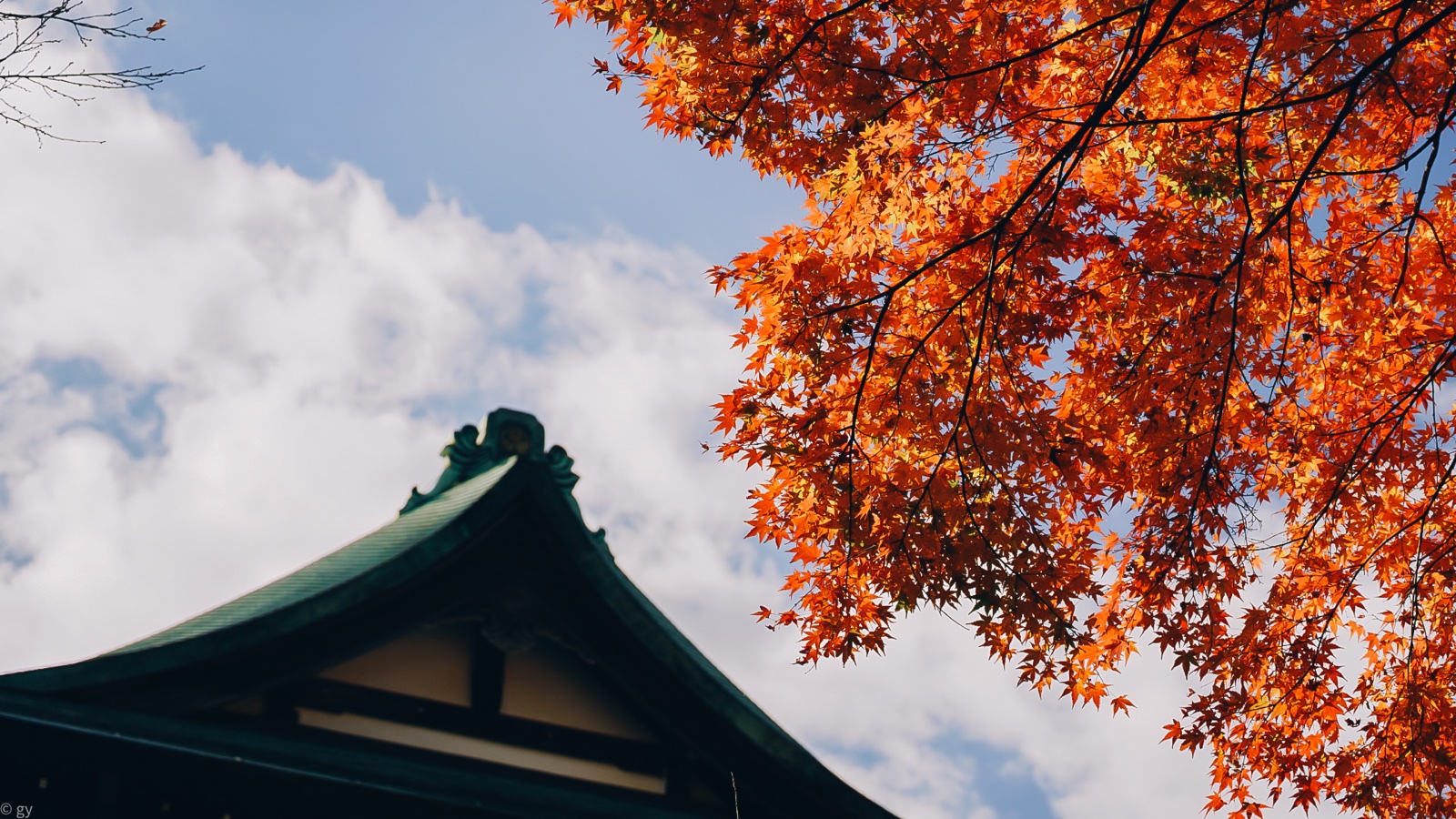
Autumn color is usually strongest later than central Tokyo; recheck the current foliage and transport notices before travel.
Keep it realistic
Choose a weekday when possible, wear suitable shoes, and keep a city fallback for rain or strong wind.