
Easy access, iconic events, and low planning friction.
Tokyo, Kyoto, OsakaJapan trip planning with destination, timing, and events
Plan Japan by place, season, and what’s on.
Start with a destination or travel window, then use events and practical guidance to shape your Japan trip.
- Destination starting points
- Four core cities, plus more city guides
- Planning context
- Destination · timing · events · practical guidance
- Ways to start
- City · month · theme
Start with a travel mood
Pick a mood first, then let the map turn events into route decisions.
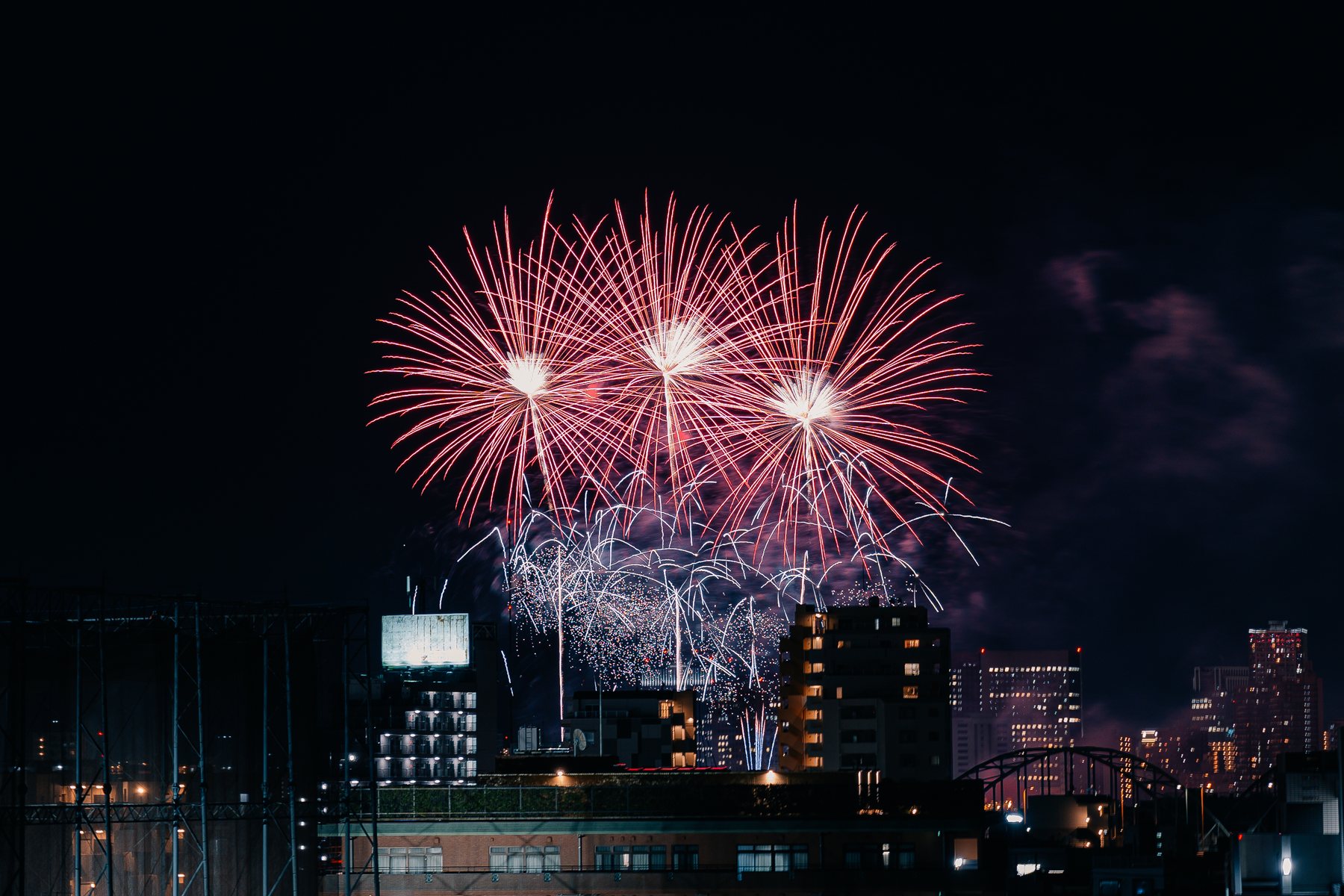
Photo: Site ownerOwner-provided site photo
Use current month pages to weigh evening plans, return planning, and seasonal context.
October 2026Traditional festivals with access and crowd warnings.
Kyoto, OsakaTicketed conventions and urban event planning.
KyotoPhotography planning
Photo Mode, ideas for your trip
Ideas for framing an event trip, using source-backed place references rather than same-day conditions.No live weather, no AI exposure advice, no current crowd status, no GPS. Use official sources and local staff instructions on the day.
Kyoto
Miyako Messe / Okazaki exterior anchor
A KYOMAF-linked venue-area idea focused on Okazaki exterior context, not anime visuals or booth imagery.
- What to photograph
- Miyako Messe exterior, Okazaki cultural-district edges, arrival atmosphere and architectural context.
- Access anchor
- Higashiyama Station is the nearest rail anchor in the checked official access pages; Sanjo and Sanjo Keihan are longer walking anchors.
- Timing and lens
- Use the official KYOMAF venue hours when planning. Earlier exterior arrival is a planning suggestion, not a prediction of queues or crowds. Wide or standard lenses fit exterior venue and street-scale context. Avoid telephoto into queues, booths or people.
Exterior venue context only. Ticket release, stage rules, indoor photography, tripod rule, rain operation and event-day crowd controls remain unknown.
Photography spot
Asakusa evening anchor
An owner-photo reference for planning an Asakusa evening frame; it is not proof of a current event, viewpoint or operating condition.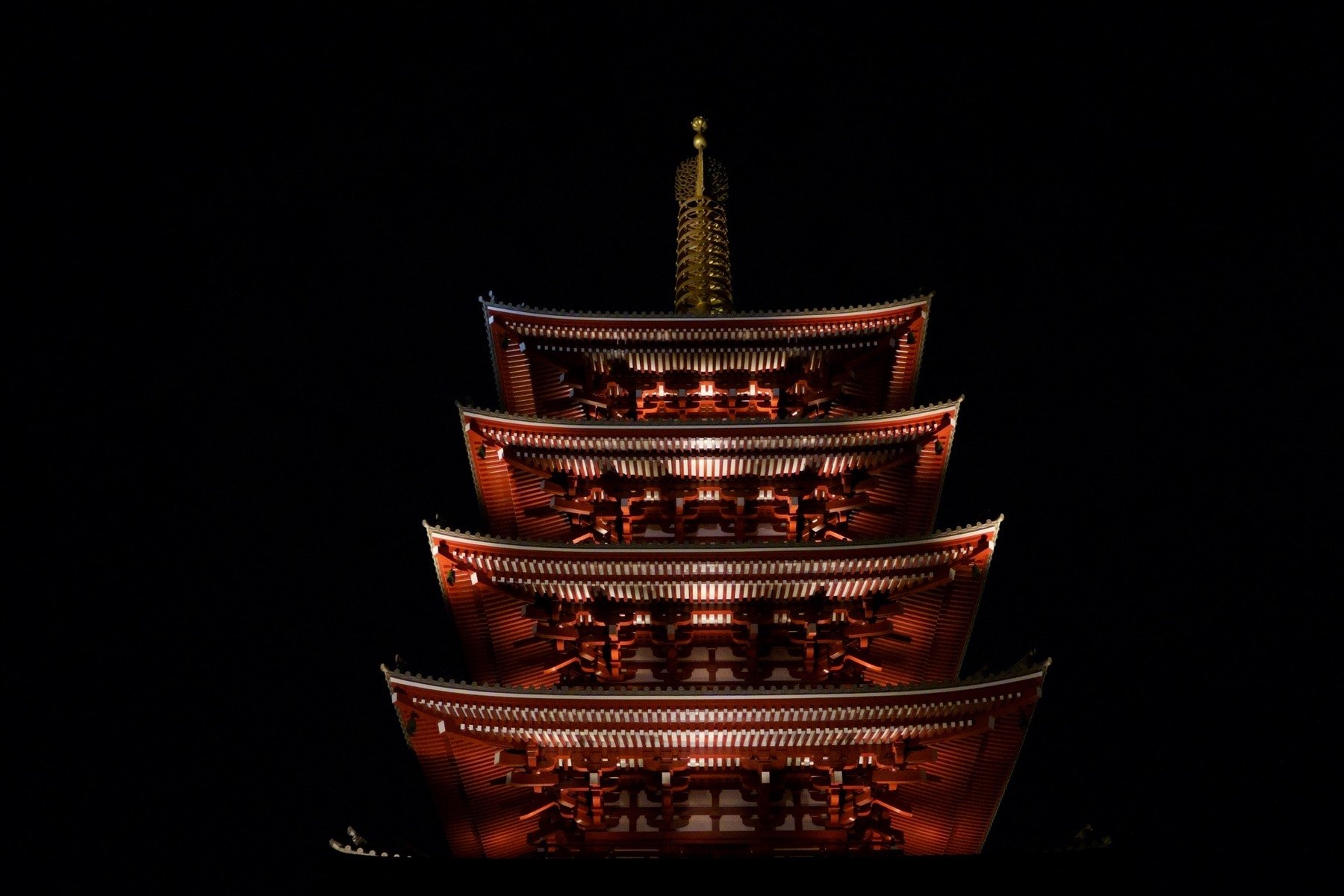
Photo: Site ownerOwner-provided site photo
- What to frame
- Temple silhouette, evening light and surrounding street context.
- Composition direction
- Use the area as a broad composition anchor; a fixed viewpoint or unobstructed frame is not promised.
- Focal length
- wide
- Access anchor
- Use the Asakusa area as an approximate city anchor. No specific entrance, route or walking time is provided.
- Best time
- Evening reference only; this is not a sunset, weather or astronomical forecast.
- Tripod / Fee / Reservation
- unknown / unknown / unknown
- Image rights
- Site owner; Owner-provided site photo; Photo: site owner, owner-provided image; commercial use allowed
Trip draw
Draw a trip idea
Not sure where to start? Draw a seasonal Japan plan.
01
Tokyo summer night
- Route
- Tokyo Station -> Asakusa / Sumida -> late return
- Best for
- First-time visitors who want one iconic summer night
- Signals
- Fireworks, high crowds, strong photo value
Official-source runway
Plan October through December
Start with the October month guide, then use the November and December guides for later trips. Each month page keeps event choices and planning context together.October
Kyoto procession or Tokyo YosakoiKyoto + TokyoUse the October guide to compare Kyoto’s Jidai Matsuri procession with the 10–11 October Tokyo Yosakoi phase, then open the full page for the route and date you choose.
Two October event guides with date-specific checks
November
Kyoto autumn night viewingKyoto / HigashiyamaKiyomizu-dera lists November 21-30, 2026. The full visitor guide is now published here, with uphill walking, crowding, and official-hour checks kept visible.
Full event page + official-source check
December
Osaka winter lightsOsaka / Midosuji + NakanoshimaMidosuji Illumination and OSAKA Hikari-Renaissance now have full visitor guides, so travelers can compare the central avenue route with a compact Nakanoshima riverside plan.
Two full winter-light event guides
How to read this
Full guides versus early leadsTokyo / Kyoto / OsakaFull event pages have visitor notes on this site. Official-source leads are early planning signals, so confirm current rules on the official source before booking around them.
Use city pages when choosing a base
Planning gateway
Plan a Japan trip by place, season, and travel style
Start with a destination or travel window, then use events and planning context to shape the day.Browse planning guides
Where to go
Choose a city first
Use the city pages when you already know your base and need nearby routes.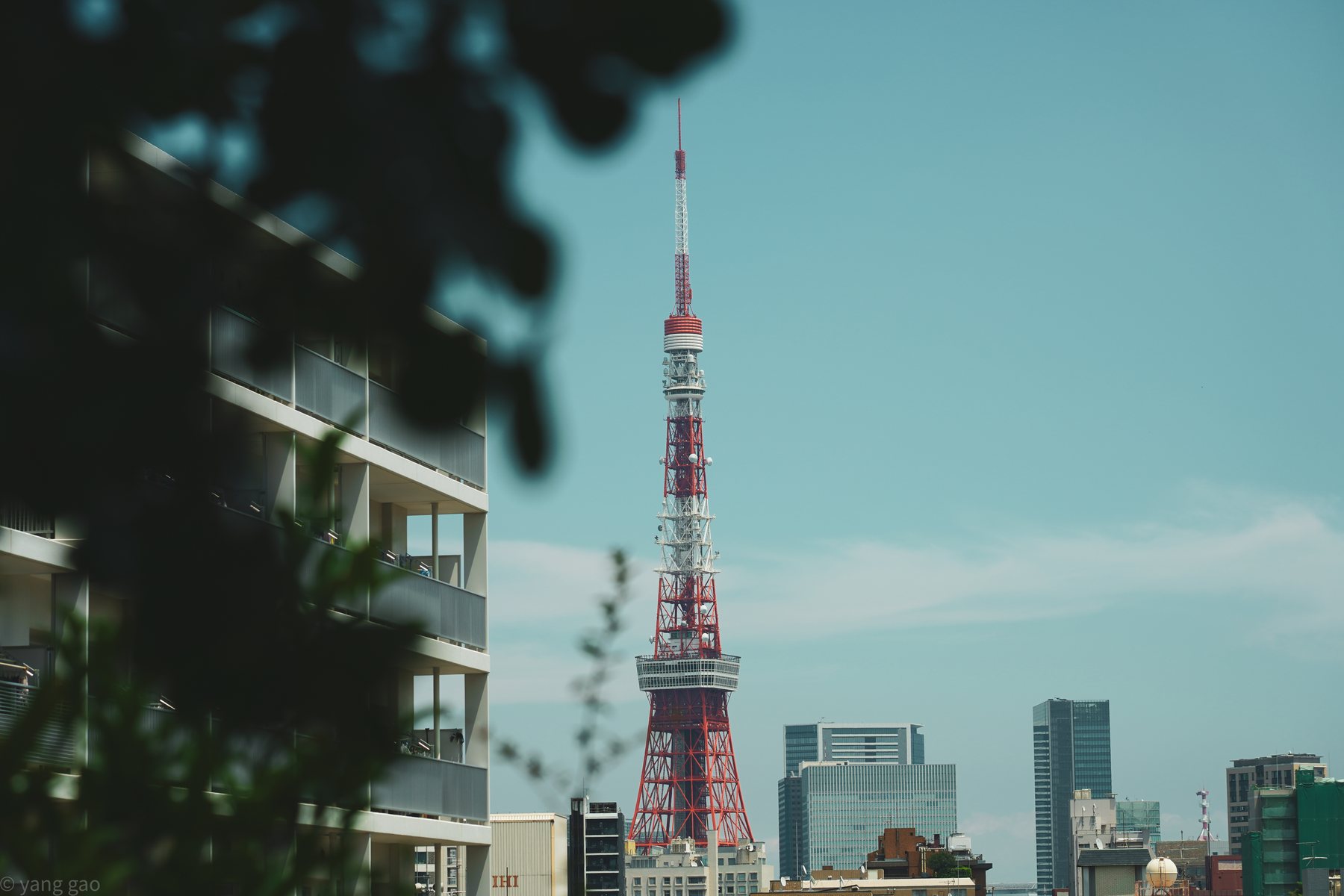
Photo: Site ownerOwner-provided site photo
TokyoIconic fireworks, street festivals, anime events, and dense transit choices.Best for first-time visitors and night-event planningfireworksfirst visitnight routes
Photo: lamblukassourceCC BY 2.0
KyotoTraditional routes, culture days, temple-area movement, and convention planning.Best for culture context and slower pacingculturefestivalsanime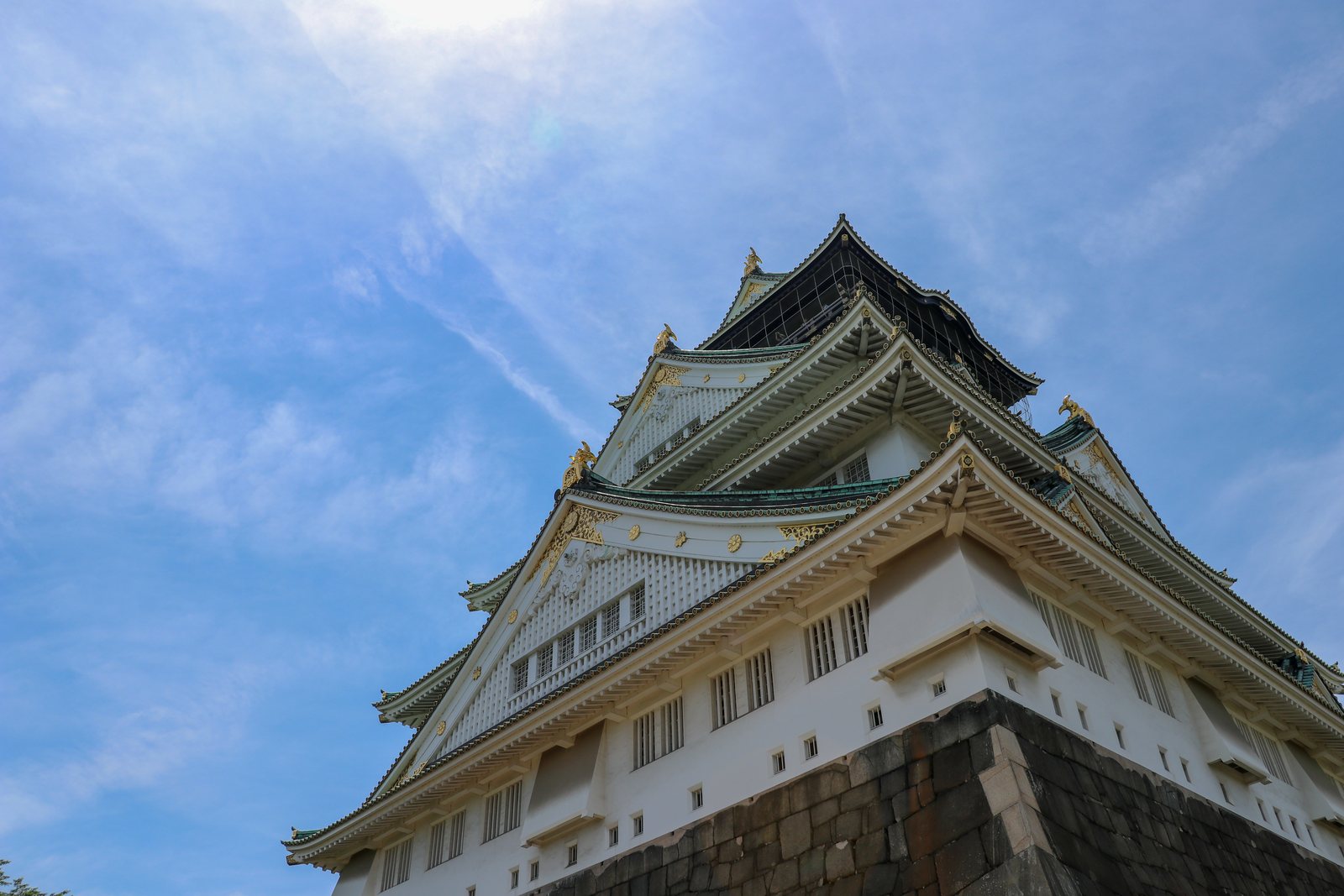
Photo: Site ownerOwner-provided site photo
OsakaUrban festivals, river nights, food-market pacing, and easy city transfers.Best for energetic evenings and central accessfestivalfoodcity routesSapporoCompact airport-to-city planning, central festival nights, and a simpler autumn food route.Best for a cooler city base and one-rail arrivalssummer festivalfireworksfood routeWhat to experience
Explore by experience
Start with the kind of Japan trip you want: fireworks, festivals, autumn night views, winter lights, or pop-culture events.Photo: Site ownerOwner-provided site photo
Full theme pageFireworks nightsSummer fireworks pages with event cards, planning notes, and map links.Indexed theme pagewatchphotolate return.jpg?width=1400)
Photo: nekonomaniasourceCC BY 2.0
Full theme pageFestival cultureProcessions, shrine festivals, dance streets, and cultural event planning.Indexed theme pagewatchculturecrowdsOfficial-source guideAutumn night viewingAutumn viewing and Kyoto night-visit leads based on official sources.Official-source planning leadautumnnight viewsKyotoOfficial-source guideWinter lightsWinter illumination planning leads for Osaka and late-year city evenings.Official-source planning leadlightsOsakaevening.jpg?width=1400)
Photo: MIKI YoshihitosourceCC BY 2.0
Official-source guideAnime & game eventsPop-culture and game event planning leads, including Tokyo-area day trips.Official-source planning leadticketedqueuesday tripWhen to go
Use month pages for timing
Month pages help compare seasonal context, practical checks, and event timing.October 2026Use current month context to compare event timing, seasonal context, and planning options.Start with October planningseasonal contextevent timingplanningNovember 2026Use autumn context to compare day shape, evening plans, and current official details.Useful for autumn travel planningautumneveningofficial detailsDecember 2026Use early-winter context to plan city evenings and review current details before departure.Useful for late-year planningearly wintercity eveningverify
Journey style
Match the day to your energy
Use these entry points when you know the feeling of the day, not the exact event yet.First-time visitorStart from Tokyo, keep transfers simple, and choose one major event at night.Lower friction, stronger landmark valueeasy accessiconicone big eventSlow culture dayBuild around Kyoto, one cultural anchor, and a short evening route.Less hopping, more contextcultureslower pacewalkableCity eveningsUse Osaka or Tokyo when an urban evening fits your route and return plan.Check current local transport and event details before you gocity eveningfoodreturn plan
Turn inspiration into a usable plan
The next layer is not more listings. It is a travel filter: when to go, where the day should start, and what could make the route stressful.
When to goUse the season before choosing the eventSummer fireworks are photogenic, but the useful question is whether the evening return and rain plan still work.Best signal: weather + exit crowdTokyo Station -> Asakusa / Sumida -> late returnPhoto: Site owner / Owner-provided site photoDestination fitMatch the city to the travel moodTokyo is efficient and iconic, Kyoto rewards cultural context, and Osaka works well for food-led festival nights.Best signal: first-time fitTokyo / Kyoto / OsakaPhoto: Site owner / Owner-provided site photoRoute ideaPlan the return before the highlightA strong event plan starts with the station, the crowd release point, and a realistic backup area.Best signal: access + fallbackStation -> event area -> quieter returnPhoto: Site owner / Owner-provided site photo
How do you want to plan?
Start with a destination or month, then add events and practical planning context.
Choose a cityFour core cities and more city guides with local planning context.Pick a monthSeasonal timing, weather risk, and event clusters.Follow a themeFireworks, festivals, anime events, and food markets.Avoid heavy crowdsUse arrival timing and route choices to reduce crowd stress.Planning tip