August rewards shorter daytime movement and more shade.
Visitor moveMove closer to the event area before the hottest part ends.
Explore MyJPTrip
Japan Event Trip PlannerBrowse the late-2026 planning window.
July 2026August 2026September 2026October 2026November 2026December 2026Browse eventsMatch events to the trip you want.
FireworksAutumn leavesWinter illuminationFestivalsAnime / game eventsFood marketsUse existing city pages as guide entries.
Browse planning guidesEvent-day planning guideWeather and cancellation guideFireworks viewing planTickets and reservation guideExit and last-train guideAccessibility, family and luggage guideViewing area and route guideTokyo planningKyoto planningOsaka planningHow the site works and what it does not promise.
AboutContactPrivacyTerms of UseDisclaimerAffiliate DisclosureMonthly event guide
Back to mapThis is a fixed August 2026 edition. It combines records whose published date ranges overlapped August with August-specific cards shown under the ended archive. Use the status badge and exact-date detail; do not infer that a past festival or fireworks programme repeats in a future year.

Owner-provided aggregate context image. It is not an official event photo or a ticketing confirmation.
Photo by site owner. Owner-provided site photo
Compare the cross-month cultural records by subject, exact date and trip location. Treat Tennoji Zoo Night Zoo as a selected-date record: check its card status, selected dates and the note that animal houses close at different times before planning it.
Koenji Awa Odori, Asakusa Samba Carnival, Akishima Dream Fireworks and Hachioji Fireworks are shown under the ended archive in this fixed edition. Use them as historical planning references only; do not infer current availability or recurrence.
August planning guide
This fixed August edition contains cross-month cultural records, a selected-date Night Zoo record and August cards in the ended archive. Card status and exact-date detail control every visit decision.
Use these light itineraries to decide which event anchors the day, where to keep a comfort buffer, and when to protect the return route.
August rewards shorter daytime movement and more shade.
Visitor moveMove closer to the event area before the hottest part ends.
Rain can affect viewing comfort even if the event continues.
Visitor moveKeep one covered stop and a flexible dinner plan.
Crowd fatigue builds faster late in the summer season.
Visitor movePick one event and protect the return route instead of adding a second night stop.
Check the official route, viewing area, or venue entrance.
Confirm tickets, reserved spaces, or free-area limits if relevant.
Prepare an indoor stop, water plan, and shorter walking option.
Decide whether to leave before, at, or after the main crowd peak.
Use August to compare which event deserves the fixed evening. Then verify heat exposure, ticket or reservation model, viewing-area route and payment fallback before making hotel, dinner or same-day transport plans depend on that event.
The page combines cross-month records, a selected-date Night Zoo record and August-specific cards in the ended archive.
A good August itinerary usually leaves space before and after the main event.
Some events are easier to enjoy when the route and viewing area are checked before travel.
August rewards travelers who prioritize comfort and cultural context over checking many boxes.
Planning snapshot
Build rest into the afternoon before the event.
Shade, indoor breaks, and shorter transfers matter.
Arrive before the main crowd and leave with a backup route.
Pair outdoor events with museums, malls, or short cafe breaks.
Use the planning notes above to choose a realistic event route, then open the event guides for tickets, access, and official-source checks.
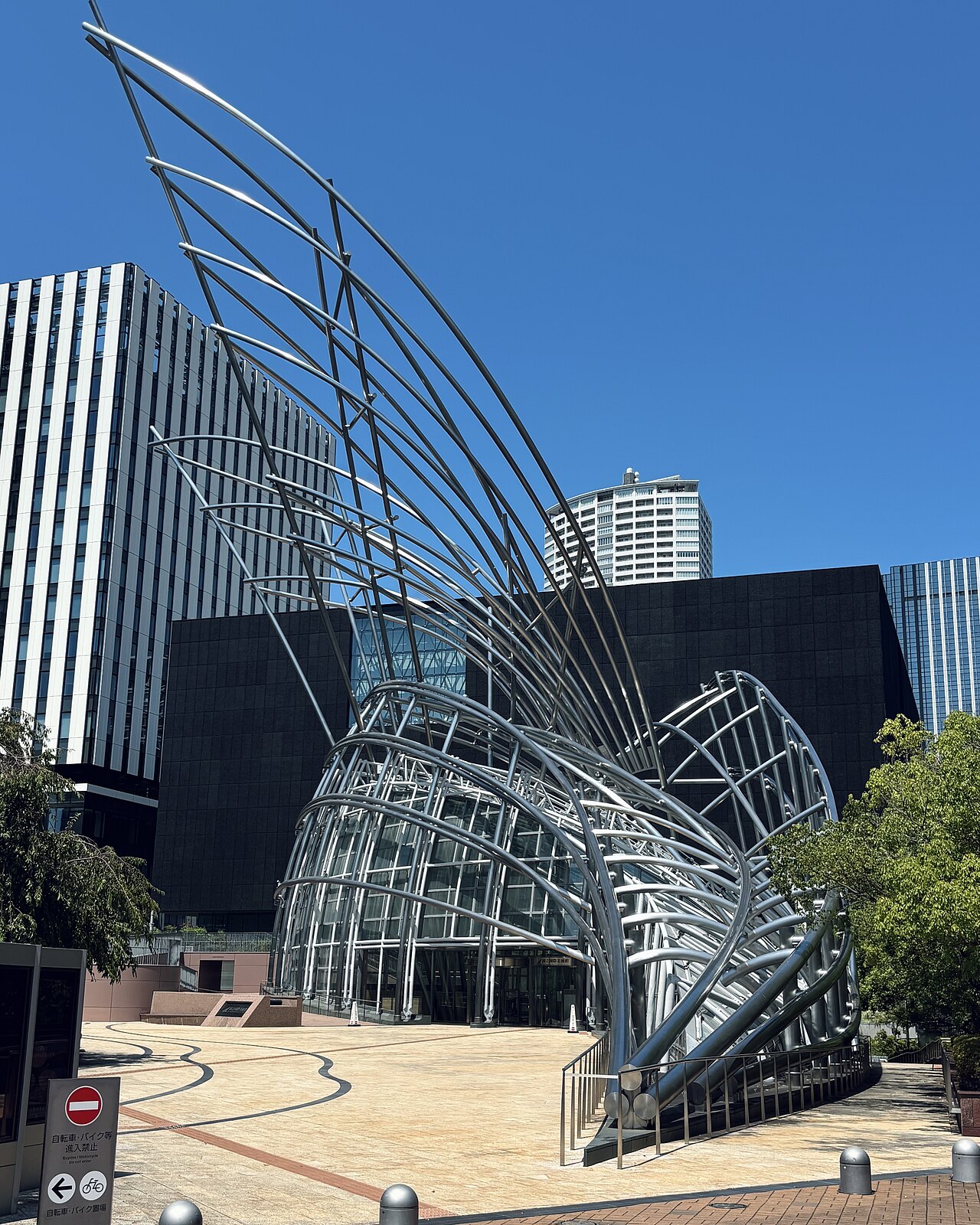
Aki Sasamoto turns ordinary objects, sound and movement into changing installations at the National Museum of Art, Osaka. This Osaka version reshapes the 2025 Tokyo exhibition and adds works from the museum’s collection. The installations can be visited during exhibition hours; seeing Sasamoto perform requires a separately scheduled session.
Look for the contrast between Wrong Happy Hour, with its coffee and bar apparatus, and Yield Point, which brings a dumpster, trampoline materials and material-testing videos into the gallery. In catch or be caught and Sounding Lines, motors and springs give familiar materials another role. Following how objects are suspended, connected or set in motion is a useful way into Sasamoto’s experiments with everyday habits, language and physical forces. A performance adds the artist’s speech and movement to that setting, but it is not part of every visit.
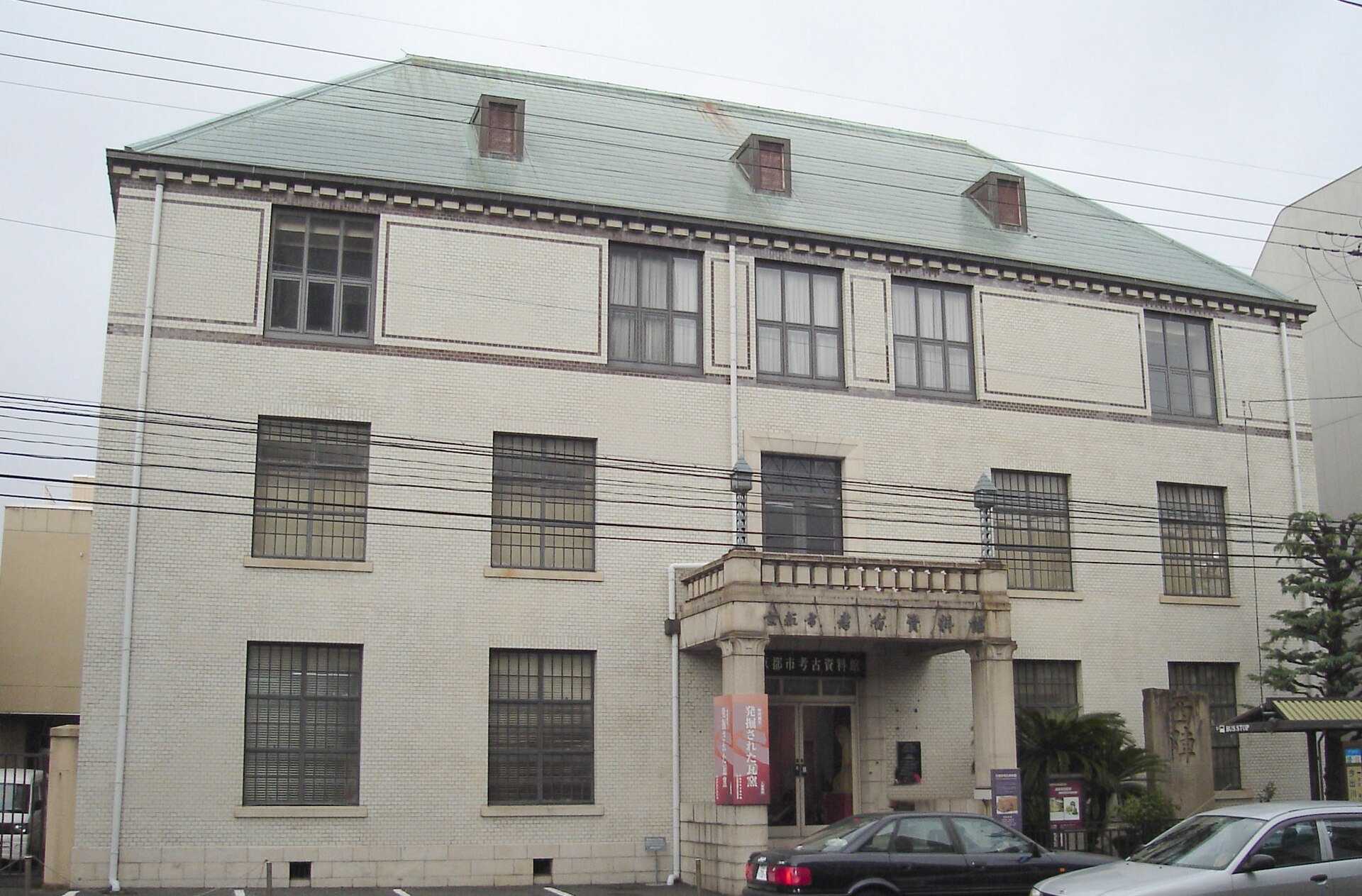
At Kyoto City Archaeological Museum, excavated objects, maps and photographs explain how Toyotomi Hideyoshi changed Kyoto in little more than a decade. Castles, new roads, temple districts and earthworks reveal a city repeatedly reshaped, rather than an ancient street plan left untouched.
The exhibition follows six themes: Kyoto before Hideyoshi; Myokenji Castle and Jurakudai; the Tensho-era land divisions, Teramachi, Odoi earthworks, Kyoto Shinjo and the court-noble district; Fushimi and Yodo castles; Hokoji’s Great Buddha; and tea ceramics excavated in Kyoto. This range links political projects to changes in the streets and objects of everyday urban life. A particular highlight is the gold-leaf roof tiles from Fushimi Castle excavated at Toryo Junior High School. Alongside the artifacts, excavation photographs and historical map panels help relate fragments to places. The introduction also shows an excavation photograph of Shigetsu Fushimi Castle’s stone wall: viewing it as archaeological evidence helps connect a vanished complex with what survives below ground.
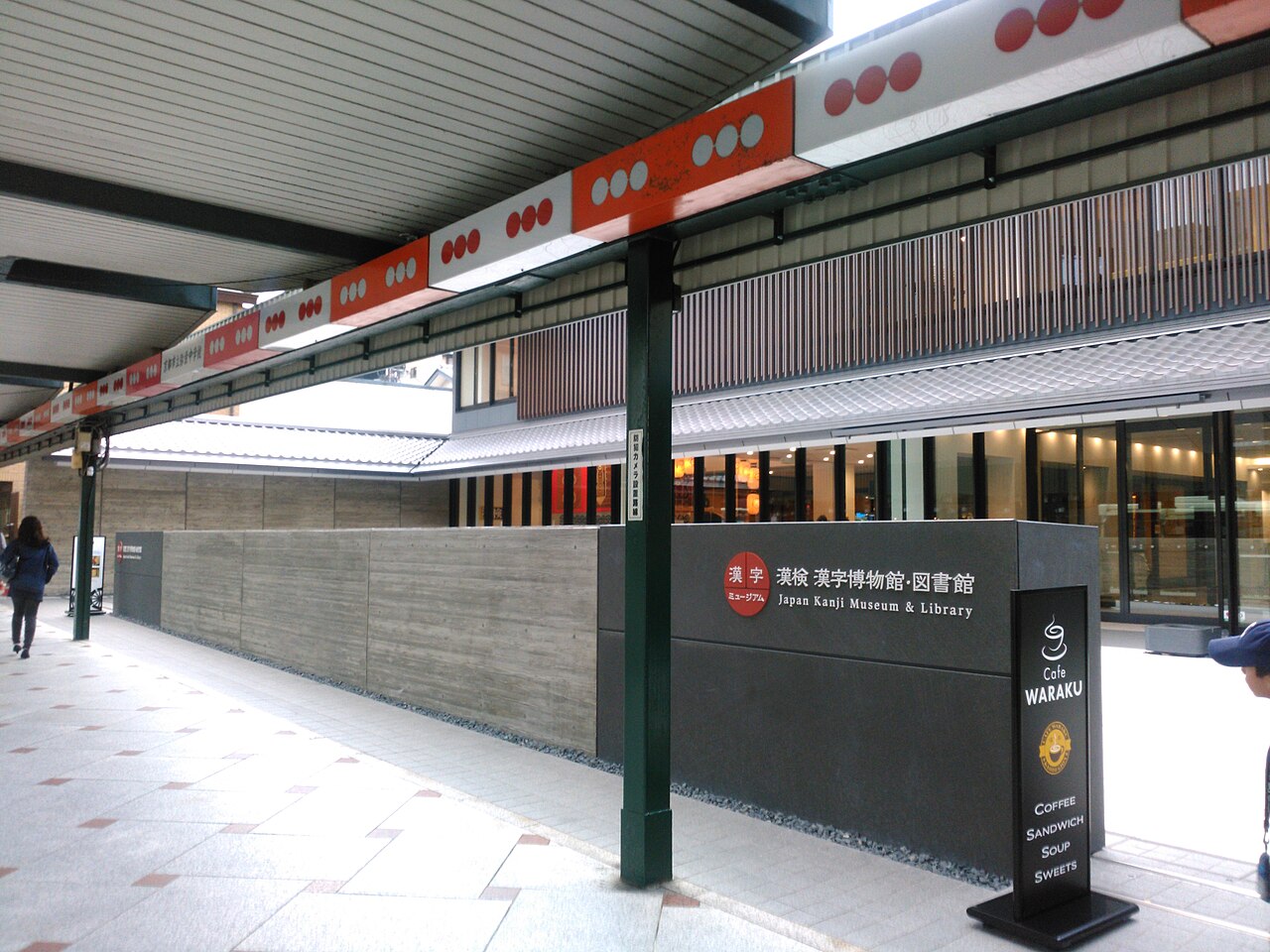
The Kanji Museum uses familiar Chinese dish names to explore characters, cooking methods and the way food culture changes between China and Japan. Its second-floor exhibition combines word games, hands-on displays and a restaurant-style photo set. This is a language and culture visit, not a meal or tasting event.
Six elements turn the theme into something you can explore. Pose in a Chinese-restaurant-style photo booth, then try an ingredient and dessert quiz: read the Chinese names, use the hints and open the doors to find their Japanese equivalents. A rotating table lets you connect dish names with the characters for cooking methods. The other sections explain the origins of names such as gyoza, spring rolls and bangbang chicken; introduce Chinese regional cuisines through their characteristics and seasoning words; and look at dishes developed in Japan, including ramen and Tenshinhan. Together they show how familiar menu words can carry a method, a story or a change of cultural context. The photo set represents a restaurant; it does not serve food.
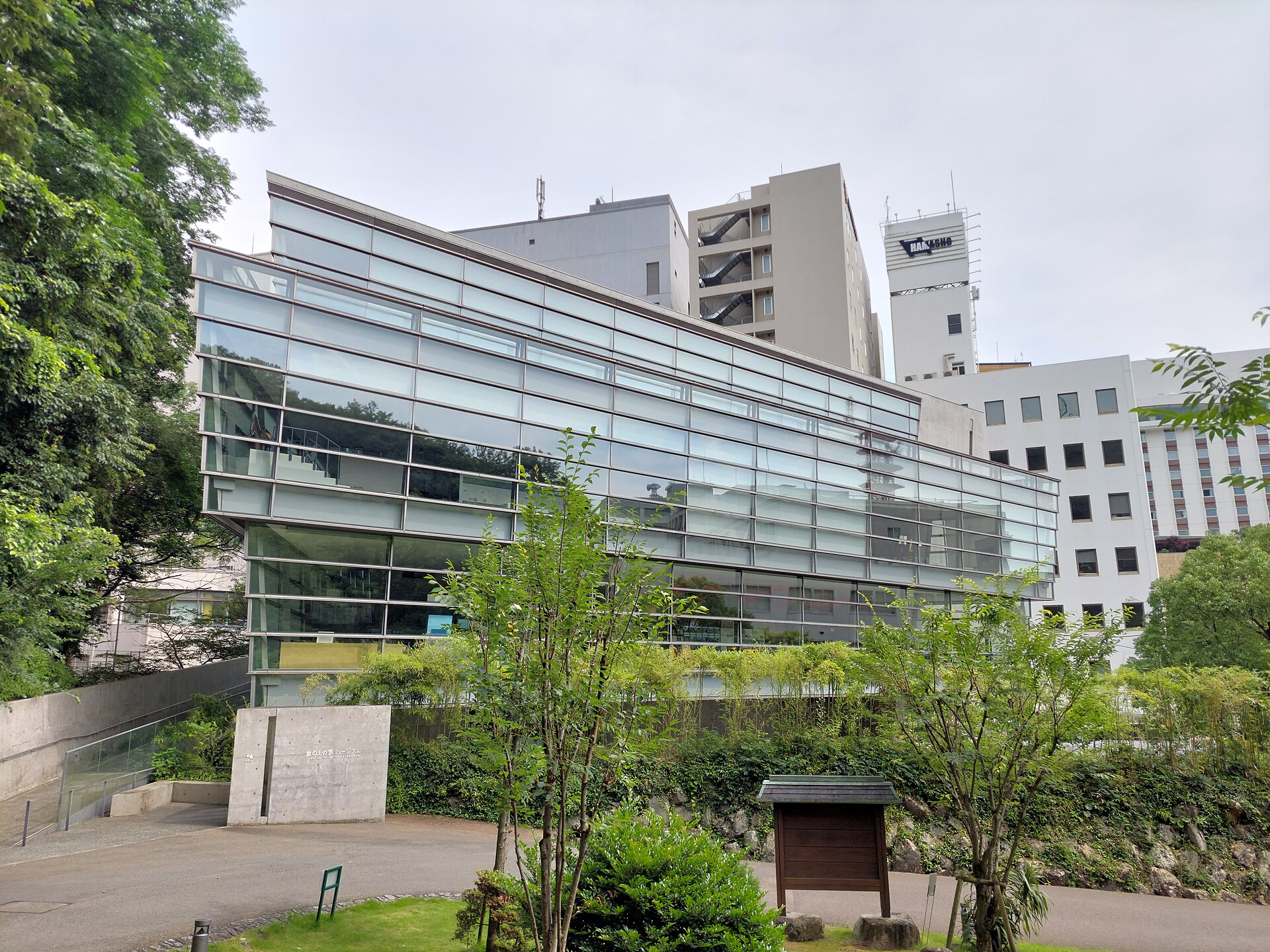
The Saka no Ue no Kumo Museum’s 19th thematic exhibition explores the knowledge, judgement and abilities of Meiji figures in politics, diplomacy and the military. Documents and personal objects connect people appearing in the novel with the turbulent years around the 1894 Sino-Japanese War, the Triple Intervention and growing tensions between Japan and Russia.
Five objects offer different ways into that history: Saigo Tsugumichi’s admiral shoulder boards, an Order of the Sacred Treasure breast star associated with Hayashi Tadasu, Tamura Iyozo’s military-academy diploma, a letter from Akashi Motojiro to Kato Takusen, and dagger fittings owned by Yamamoto Gonnohyoe. They bring correspondence, education, rank and public service into the same exhibition. Compare what each kind of object can tell you. A letter is evidence of communication between people, a diploma records training, and insignia makes an official position visible. Looking at these differences gives a more varied account of the people behind the novel than a sequence of battles alone. The exhibition’s use of “intelligence” centres on historical wisdom and capability in a period of international crisis.
Project through 28 Feb 2027; installations include the Asuka-no-Yu courtyard. Honkan west-side projection only through 30 Sep 2026: starts every 15 minutes from 19:30 to 21:30, about 5 minutes each. Check component opening and bathing rules separately.
Colourful installations add an art walk around the hot-spring district; this is one project across several locations.
Tennoji Zoo stays open into the evening on 14 specific dates in August, September and October. Lights come on around 17:00, offering a chance to observe the zoo beyond its usual opening hours. Plan around the animal-house timetable: the zoo closes at 20:00, but several areas finish much earlier.
The attraction is the change from an afternoon zoo visit to an evening walk, with time to observe how the animals behave as the light changes. The nocturnal animal house, Penguin Park & Sea Lion Wharf, Reptile House Ifar, Southern Hemisphere House and Polar Bear Coast have published viewing times until 19:45. In September and October, the bird areas, small-animal house, monkey and baboon house, bear house and indoor chimpanzee room close at 18:00; in August, that group closes at 18:30. Outdoor chimpanzees go indoors at 15:30 even on Night Zoo dates. A stamp rally runs on all 14 Night Zoo dates, with stamp stations around the grounds. On 17 and 18 October only, the animal-search BINGO adds a separate activity: find LED animals hidden among the illuminations on the lawn beside the multipurpose plaza, from 17:00 to 19:45. Completing BINGO earns a prize. The illuminations also operate on the other Night Zoo dates, but the BINGO activity does not.
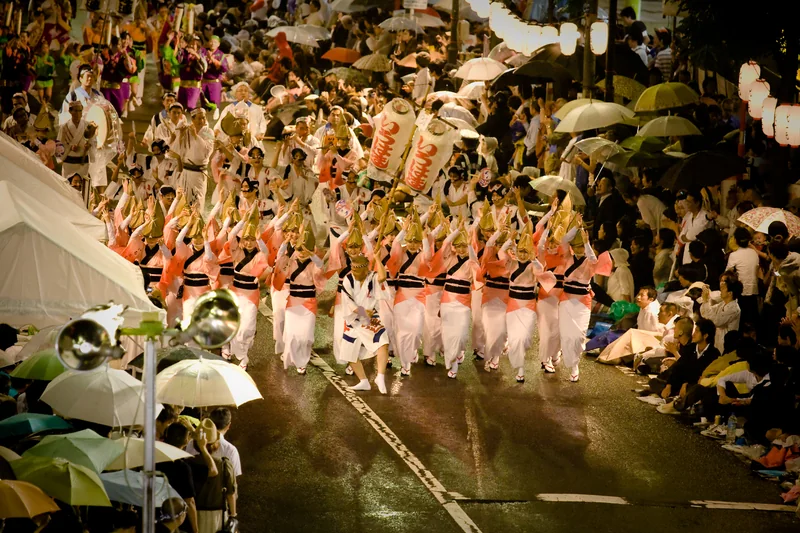
Koenji's 2026 Awa Odori runs August 29 and 30, 17:00-20:00, across eight performance areas around JR Koenji and Shin-Koenji stations.
One of Tokyo's strongest street-festival evenings if you choose a small viewing strategy before entering the crowd. Trying to follow every team through all eight areas is stressful and unnecessary.
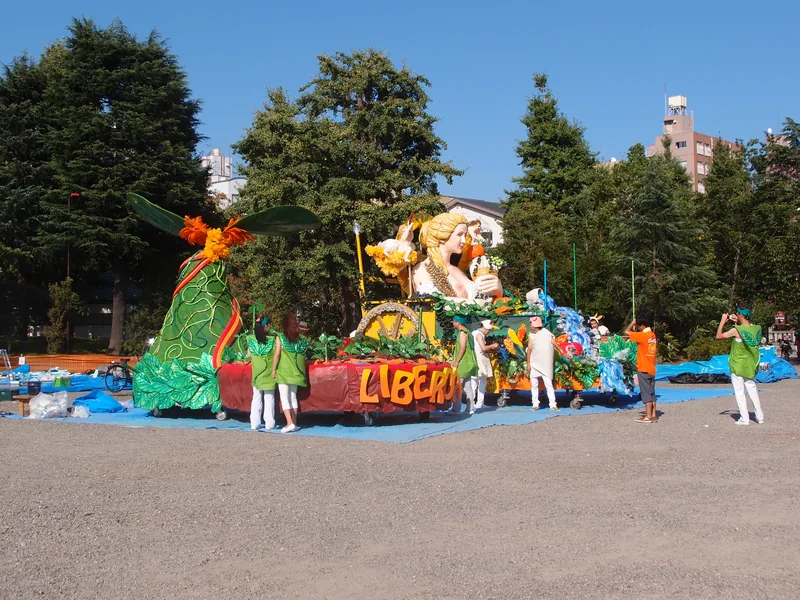
Asakusa Samba Carnival 2026 is officially scheduled for August 29 with a 13:00 start, although the organizer says the time may change. For visitors, it works best as a choose-one-section late-summer street event along the Umamichi-dori to Kaminarimon-dori route rather than as a casual wander along the whole course.
A strong Tokyo festival pick if you want high-energy parade atmosphere and can handle standing-only viewing, summer heat, and heavy street crowds. It is less suitable for visitors who need confirmed seating, low-pressure movement, or a fixed weather rule before leaving the hotel.
Akishima Whale Festival Dream Fireworks 2026 is listed by GO TOKYO for August 29 from 20:00 to 20:30 near Showa Park Athletics Sports Ground in western Tokyo. The organizer frames the fireworks as the first-night highlight of the Akishima Citizen Whale Festival, with rail access from Higashi-Nakagami and Nishi-Tachikawa as the practical base.
Choose Akishima when you want a local Tokyo-west festival atmosphere rather than another large riverbank fireworks night. It is useful for travelers already staying on the Chuo / Ome-line side, but it is not a page to treat as a certain reserved-seat or low-crowd plan.
Hachioji Fireworks 2026 is scheduled for August 1 from 19:00 to 20:15 at Fujimori Park in west Tokyo, with paid individual-sponsor seats in the athletics stadium and separate free viewing areas that may be entry-limited.
A strong west-Tokyo choice if you want a park-based local fireworks evening and can choose one viewing area early. It is not a casual station-side drop-in: the official page warns of distributed viewing areas, expected congestion, no parking and possible entry limits.