November 2026 Japan Events: Temple, Fair, Lights, or Museum
November offers four distinct choices: Kiyomizu-dera's published November night-viewing window, Midosuji Illumination from November 3, Asakusa Tori no Ichi on November 7 and 19, and the indoor timed Marimekko exhibition.
79 public eventsNovember 2026
This page is not a complete calendar for the month. Check event details and official schedules before making travel plans.
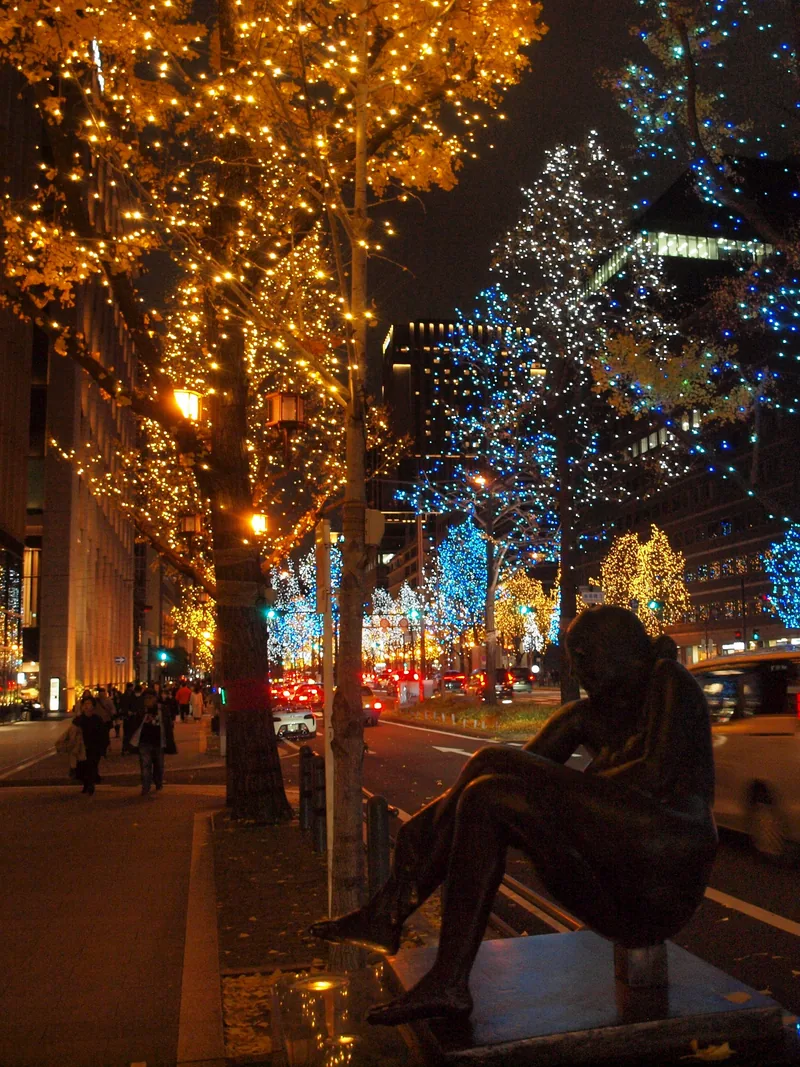
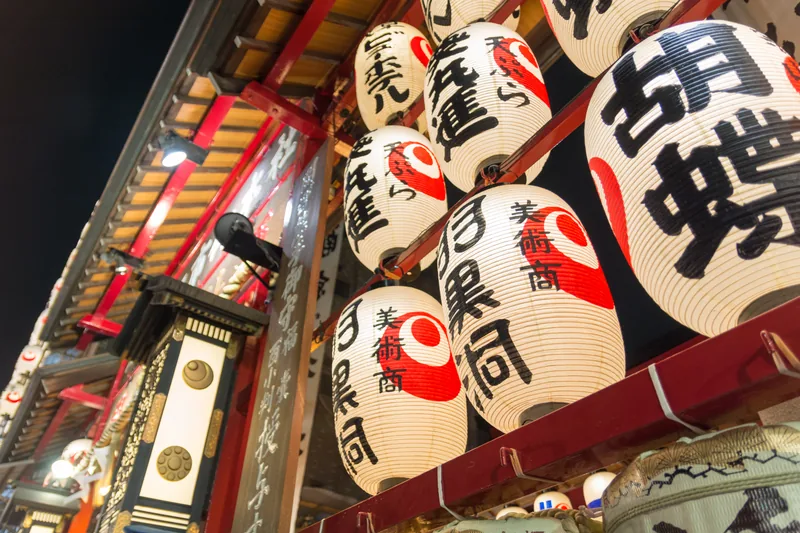
Owner travel context photo for autumn planning; not an official event image.
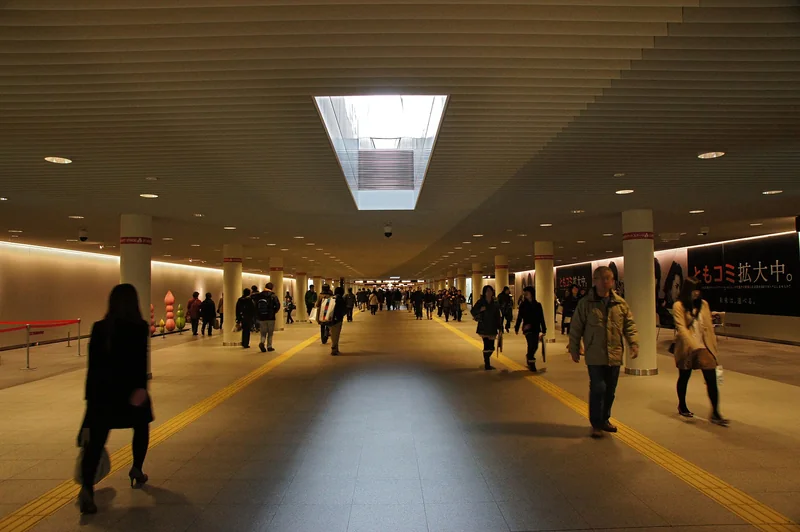
Owner-provided aggregate context image. It is seasonal context, not current crowd, access, or schedule confirmation.
Photo by site owner. Owner-provided site photo
Visitor planning notes
Choose Kiyomizu for late-autumn temple atmosphere with uphill walking and a same-day hours check; Midosuji for a flexible short light walk near dinner and a return station; or Tori no Ichi for one of two exact traditional fair days with crowd and payment constraints. Marimekko is the weather-resistant museum alternative, subject to its exact open dates and live ticket slots.
OSAKA Hikari-Renaissance has November components: the City Hall façade and Nakanoshima Illumination Street run from November 3 to December 31. The projection mapping and light market run December 11–25, so treat those as advance planning rather than a November promise.
Official-source planning leads
Planning leads to verify before you build the day
These items start from official sources. Some now have full event guides on this site; planning-only leads still need official confirmation before travel.
Kiyomizu-dera Autumn Night Viewing 2026
Use this as a late-autumn evening anchor, with extra time for uphill walking, temple-area crowding, and closing-time checks.
Timing
Official annual-event page lists November 21-30, 2026
Area
Kiyomizu-dera / Higashiyama, Kyoto
Published event guide on this site: use the full guide for visitor notes, then recheck the official page before travel.
Choose November by date, walking load, and weather exposure
November offers a late-autumn temple evening, a flexible city-light walk, two exact traditional fair days, or an indoor timed exhibition. Pick one main constraint and verify hours or ticket availability before travel.
Plan the month as a visitor route
Use these light itineraries to decide which event anchors the day, where to keep a comfort buffer, and when to protect the return route.
One-day planning blocks
Kyoto late-autumn evening
Route
Kyoto Station to Higashiyama, then Kiyomizu-dera area
Timing
Keep the afternoon nearby and leave time for uphill walking.
Best for
Travelers who want temple atmosphere more than many stops.
Check the official date and final entry time first.
Use one approach route and one return route.
Do not add another fixed evening booking after it.
Osaka early winter light walk
Route
Umeda or Yodoyabashi to a short Midosuji section
Timing
Choose a short section and keep dinner or return nearby.
Best for
Travelers who want a flexible evening after sightseeing.
Verify the official lighting area before choosing the station.
Avoid trying to walk the entire avenue.
Use the light route as a transition to dinner or return.
Event pairings
Temple evening plus nearby dinner
Anchor
Kiyomizu-dera Autumn Night Viewing
Pair with
Higashiyama or Kyoto Station return
The plan avoids late cross-city movement after a crowded slope area.
Illumination plus central Osaka base
Anchor
Midosuji Illumination
Pair with
Umeda, Shinsaibashi, or Namba return
The route can stay short and flexible if weather or crowding changes.
Heat, rain, and crowd pacing
Daylight
Move the main sightseeing earlier and protect the evening slot.
Visitor move
Use daylight for transfers and arrival orientation.
Walking
Choose fewer sections and avoid backtracking after dark.
Visitor move
Plan the exit station before choosing the photo spot.
Month event checklist
Official source
Use official pages for final period and hours.
Guide status
Use Kiyomizu, Midosuji, Tori no Ichi, or Marimekko as November choices. Hikari-Renaissance's City Hall façade and Nakanoshima Illumination Street also run from November 3; its projection mapping and light market begin December 11.
Route
Keep dinner and return routes close to the lead area.
Weather
Check temperature and rain before committing to long walks.
Route pairing
Map-ready route pairings
Use these as practical planning patterns, not fixed official routes.
Kyoto Station / Higashiyama / Kiyomizu-dera area
Higashiyama autumn evening
Make the Kyoto evening a single temple-area plan, then protect the return route instead of adding an Osaka light walk on the same night.
Check official hours before leaving Kyoto Station.
Travelers choosing one evening city rather than both.
Visitors who can check official hours before the day starts.
Groups that prefer short night transfers.
Map-ready checks
Save the anchor venue and return station.
Confirm the same-day official period and hours.
Choose either Kyoto night viewing or Osaka lights.
How to use this month
Use November to choose between late-autumn Kyoto atmosphere and early winter Osaka lights.
Do not combine too many evening locations.
Keep the strongest lead as the main plan.
Visitor caution
Official periods are useful, but final visitor flow depends on access, hours, and weather.
Confirm final entry and closing time.
Keep a backup return route.
Planning snapshot
Planning styleOne evening anchor
Choose Kyoto temple viewing or Osaka illumination as the main plan.
Crowd signalArea dependent
Temple slopes and city-center light routes create different bottlenecks.
Weather checkEvening temperature
Shorter daylight and cooler evenings affect walking pace.
Best baseNear return line
A simple return route matters more than covering many spots.
Decision helper
Choose Kiyomizu-dera's published November night-viewing window for temple atmosphere if uphill walking, queues, and a same-day hours check fit the group.
Choose Midosuji from November 3 for a flexible light walk, limiting the route to a section near dinner and the return station.
Choose Asakusa Tori no Ichi on November 7 or 19 for a traditional fair day, keeping crowd, payment, accessibility, and live-hour limits explicit.
Choose Marimekko as the indoor alternative, after checking the exact open date and live ticket availability.
Before you go
Official period and same-day opening hours.
Last entry, closing time, and any route restrictions.
Return station and backup route after dark.
Whether the lead already has a full event detail page on this site.
Good fit
Travelers who prefer atmosphere over packed schedules.
Small groups that can walk at a slower evening pace.
Visitors who can verify official hours before the day starts.
Reconsider if
You need a low-walking evening after a full sightseeing day.
You cannot tolerate cold evening waits or crowded slopes.
Your itinerary depends on tight intercity transfers.
Visitor-ready events this month
Use the planning notes above to choose a realistic event route, then open the event guides for tickets, access, and official-source checks.
September 12, 2026 – November 1, 2026MatsuyamaCultural exhibitionsOngoing
Bansuiso brings together 55 artists from 12 countries for an international contemporary-art exhibition inside its historic French-style villa. Art Connection explores different ideas and materials in rooms built for a very different era, adding an art stop to a visit around Matsuyama Castle.
The setting is central to the experience. Completed in 1922, Bansuiso has a history as a place of hospitality and social gatherings; this exhibition places contemporary expression within that architectural setting. Look at how a work’s material, scale and mood relate to the room around it, rather than treating the building simply as a container for pictures.
The participating artists come from Japan, South Korea, the United States and countries across Europe and Asia. The appeal is the range of approaches gathered in one historic place: compare works across that variety rather than expecting a single artist’s retrospective. This is a useful pairing for visitors interested in both contemporary art and the villa’s French-style architecture.
Official source noteAccess tipsGoogle Maps readyCheck before going
Venue
Bansuiso, 3-3-7 Ichibancho, Matsuyama
Nearest station
Okaido tram stop
Reservation
Not confirmed — check the official page
September 10, 2026 – November 1, 2026TakamatsuCultural exhibitionsOngoing
The Kagawa Museum’s postwar chapter of Showa Life examines how everyday life changed as electricity spread through Kagawa. Marking 100 years since the start of the Showa era in 1926, it uses familiar household objects and local records to connect larger social changes with individual lives.
Three objects offer a useful route through the exhibition. A visitor guide to the 1949 Takamatsu Tourism Exposition links the rebuilding of a city damaged by wartime air raids with the promotion of local sights and products. A 1956 Toshiba ER-5 electric rice cooker, used in a household in what is now Higashikagawa, brings that story into the kitchen.
A hand-knitted sweater from the Showa 30s, roughly 1955–1964, adds the perspective of someone who learned knitting and dressmaking after work and followed a pattern in Kurashi no Techo magazine. Together, these objects let you compare public reconstruction, domestic technology and handmade clothing. The earlier prewar and wartime phase ended on 6 September; the current display is the postwar phase.
Official source noteAccess tipsGoogle Maps readyCheck before going
Venue
The Kagawa Museum, 2F permanent exhibition rooms 4–5
Nearest station
Kataharamachi Station
Reservation
Not confirmed — check the official page
July 19, 2026 – November 3, 2026OsakaCultural exhibitionsOngoing
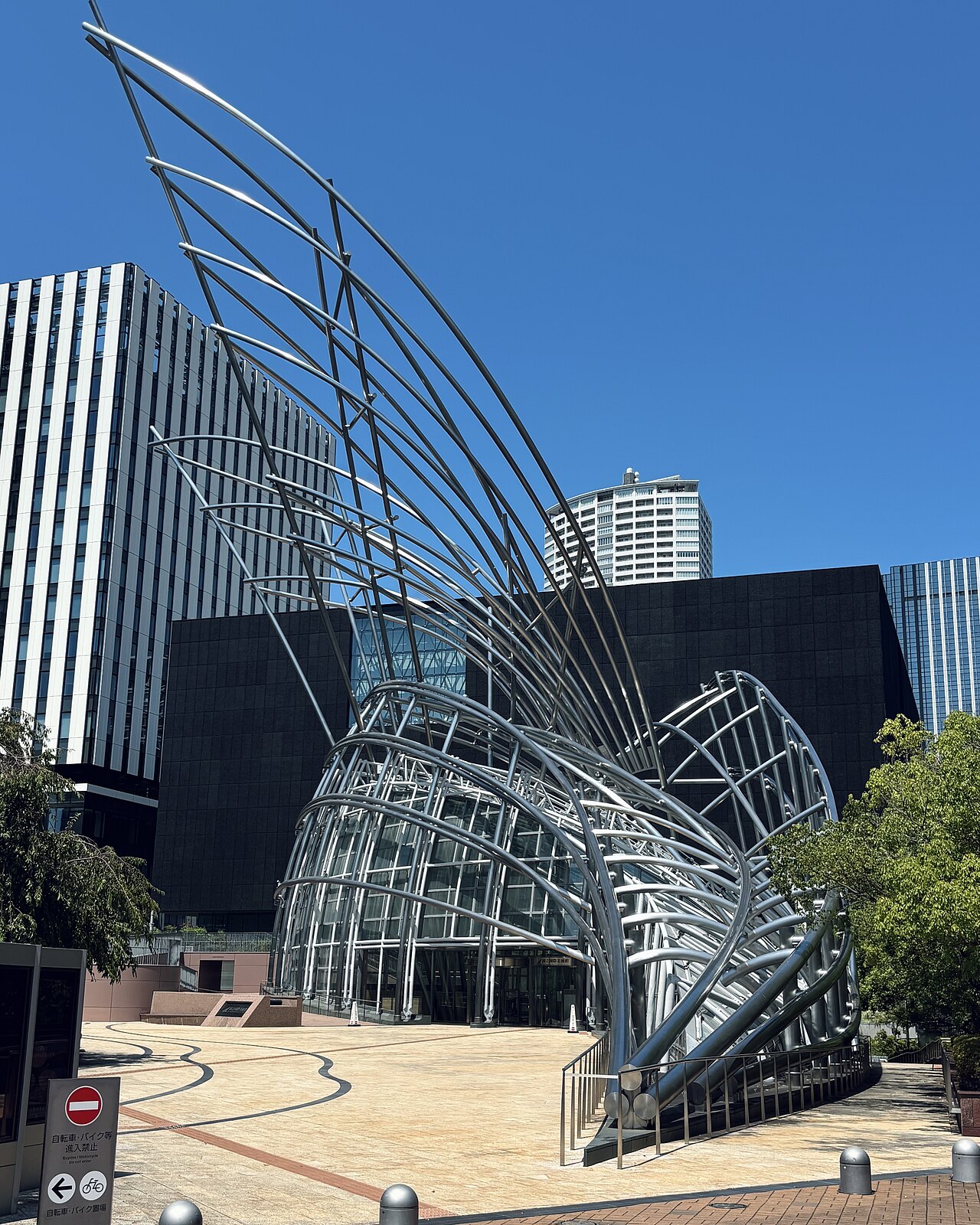
August 2026 museum entrance · exhibition not shownPhoto: Sakai Yayoi · Wikimedia Commons · CC0 · Resized and cropped for display
Aki Sasamoto turns ordinary objects, sound and movement into changing installations at the National Museum of Art, Osaka. This Osaka version reshapes the 2025 Tokyo exhibition and adds works from the museum’s collection. The installations can be visited during exhibition hours; seeing Sasamoto perform requires a separately scheduled session.
Look for the contrast between Wrong Happy Hour, with its coffee and bar apparatus, and Yield Point, which brings a dumpster, trampoline materials and material-testing videos into the gallery. In catch or be caught and Sounding Lines, motors and springs give familiar materials another role. Following how objects are suspended, connected or set in motion is a useful way into Sasamoto’s experiments with everyday habits, language and physical forces. A performance adds the artist’s speech and movement to that setting, but it is not part of every visit.
Official source noteAccess tipsGoogle Maps readyCheck before going
Venue
National Museum of Art, Osaka — B3 galleries
Nearest station
Watanabebashi Station
Reservation
Not confirmed — check the official page
September 19, 2026 – November 8, 2026TokyoOngoing
Water Margin — Tokyo Station Gallery
19 Sep–8 Nov; 10:00–18:00, Fridays to 20:00, last entry 30 minutes before close. Monday closure with holiday/final-week/Silver Week exceptions; consult calendar.
Chinese and Japanese artworks trace the novel's reception; this is a temporary exhibition, not a daily live performance.
Venue
Tokyo Station Gallery, Marunouchi, Chiyoda, Tokyo
October 3, 2026 – November 8, 2026MatsuyamaOngoing
Jimmy Onishi: Hometown — Ehime
09:40–18:00, last entry 17:30. Closed 6/13/19/26 Oct and 4 Nov. Adult on-the-day ticket ¥1,200; separate school-age rates and concessions. One entry during the exhibition period.
Original works connect Jimmy Onishi’s painting with places that shaped his travels and creative life. It adds a museum visit near the castle park beyond Bansuiso.
Venue
The Museum of Art, Ehime, main building 1F, Horinouchi, Matsuyama
September 12, 2026 – November 8, 2026SapporoCultural exhibitionsOngoing
Tatsuya Tanaka’s MINIATURE LIFE 2 brings about 180 photographs and three-dimensional miniature works to Gallery B at the Hokkaido Museum of Modern Art. Tiny figures and familiar objects become landscapes, buildings and comic situations through the Japanese idea of mitate: seeing one thing as another.
A baumkuchen becomes a rainbow in お菓子な虹, while sushi becomes a city in おスシティー. Comparing the photographed scenes with the miniature objects makes the shifts of scale and viewpoint part of the visit. Two Hokkaido-exclusive works take their subject from HTB’s television programme 水曜どうでしょう: 胃袋ギュウギュウ、モ〜限界 and 失“パイ”は成功のもと. These local additions give returning fans something specific to seek out, alongside photo spots that place visitors inside a miniature-world setting.
Official source noteAccess tipsGoogle Maps readyCheck before going
Venue
Hokkaido Museum of Modern Art — Gallery B
Nearest station
Nishi-18-chome Station
Reservation
Not confirmed — check the official page
September 12, 2026 – November 8, 2026OkayamaCultural exhibitionsOngoing
Lacquer Landscapes at the Hayashibara Museum of Art explores how famous places, seasonal flowers and birds become decoration on lacquer furnishings. Gold and silver maki-e, carved lacquer and iridescent mother-of-pearl offer different ways to depict nature on objects made for use.
Look for shelves decorated with Yoshino Mountain and the Tatsuta River, and inkstone boxes featuring Sakurabashi and Hamamatsu. The exhibition lets you follow a landscape across the surfaces of a functional object, then compare it with furnishings decorated with flowers, butterflies, birds and lions.
The techniques reward close looking: gold and silver decoration contrasts with black lacquer, carved surfaces create another kind of detail, and mother-of-pearl changes the effect of colour and light. Comparing these approaches makes the visit especially worthwhile for visitors interested in decorative arts, materials and the relationship between useful objects and images.
Official source noteAccess tipsGoogle Maps readyCheck before going
Venue
Hayashibara Museum of Art, 2-7-15 Marunouchi, Okayama
Nearest station
Kencho-dori tram stop
Reservation
Not confirmed — check the official page
October 17, 2026 – November 15, 2026NagoyaOngoing
Yattokame Cultural Festival DOORS 2026
17 Oct–15 Nov; separately scheduled performances, walks and cultural sessions across the city, not continuous admission.
Traditional performance and neighbourhood walks offer different ways into Nagoya's cultural history. Choose a specific session, location and application condition rather than treating the month-long range as a drop-in schedule.
Look beyond decoration to how boxes protected, carried and recorded valued objects. The focus on containers makes this a different visit from the museum's general collection displays.
Venue
Tokugawa Art Museum, Nagoya
September 12, 2026 12:00 PM – November 23, 2026 5:00 PM JSTOkayamaCultural exhibitionsOngoing
About 250 pre-Common-Era gold objects show how ancient societies across West and East Asia and Central and South America used gold to express power, belief and technical skill. The special exhibition is scheduled through November 23 at Okayama City Orient Museum; the museum’s regular collection display is unavailable during the run.
The exhibition is scheduled, not confirmed as actually operating on a selected day. The page lists Monday closures with specified holiday exceptions, plus closures on September 24 and October 13. The official guide provides tram, walking and bus orientation from JR Okayama Station and says there is no visitor parking. Recheck schedule, admission and access before travel; occurrence, inventory, live transit, weather, cancellation, crowding and event-specific accessibility remain unknown.
Official source noteAccess tipsGoogle Maps readyCheck before going
Venue
Okayama City Orient Museum
Reservation
Not confirmed — check the official page
September 9, 2026 – November 23, 2026OsakaCultural exhibitionsOngoing
New Discoveries: Naniwa Archaeology 2026 brings about 150 objects to the Osaka Museum of History’s eighth-floor feature gallery. Finds mainly from fiscal 2024–25 excavations trace the city from early settlements through Naniwa Palace, Toyotomi Osaka Castle and Edo-period metalworking.
Start with jars from Nagahara: their bases grow rounder across the late Yayoi to early Kofun sequence, and soot suggests cooking use. Compare them with eighth-century Naniwa Palace tiles, including an eaves tile with three concentric rings, then with fragments of gold-leaf tiles from Toyotomi Osaka Castle. Small handled crucibles from the later castle town carry metal residue; comparison with nearby finds suggests possible brass casting, rather than a confirmed identification. These objects make the layers under modern Osaka tangible, from household routines to palace building and urban craft.
Official source noteAccess tipsGoogle Maps readyCheck before going
Venue
Osaka Museum of History — 8F feature gallery
Nearest station
Tanimachi 4-chome Station
Reservation
Not confirmed — check the official page
July 11, 2026 – November 23, 2026KyotoCultural exhibitionsOngoing
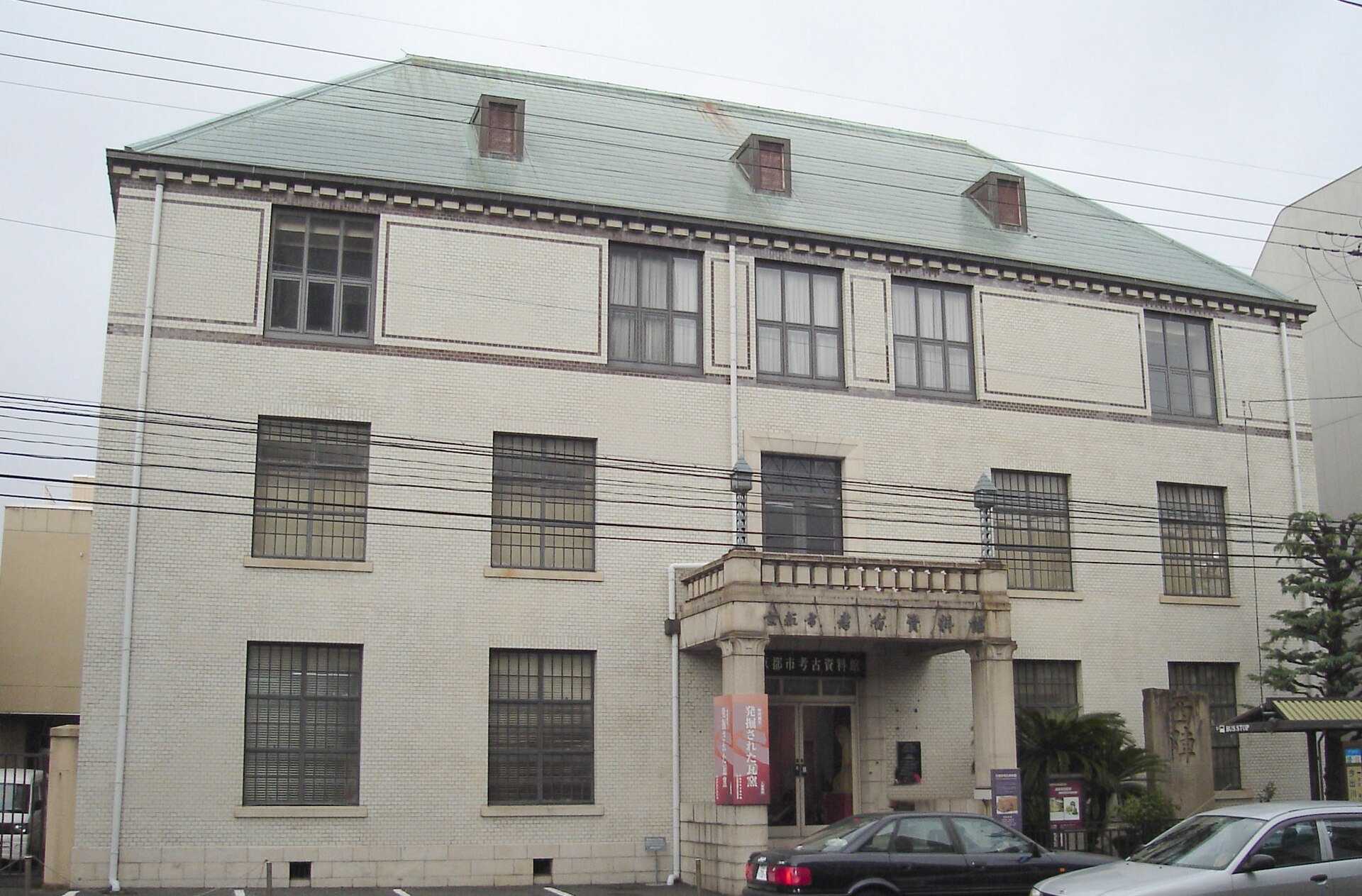
2005 museum exterior · old banner, not this exhibitionPhoto: PlusMinus · Wikimedia Commons · CC BY-SA 3.0 · Resized and cropped for display
At Kyoto City Archaeological Museum, excavated objects, maps and photographs explain how Toyotomi Hideyoshi changed Kyoto in little more than a decade. Castles, new roads, temple districts and earthworks reveal a city repeatedly reshaped, rather than an ancient street plan left untouched.
The exhibition follows six themes: Kyoto before Hideyoshi; Myokenji Castle and Jurakudai; the Tensho-era land divisions, Teramachi, Odoi earthworks, Kyoto Shinjo and the court-noble district; Fushimi and Yodo castles; Hokoji’s Great Buddha; and tea ceramics excavated in Kyoto. This range links political projects to changes in the streets and objects of everyday urban life.
A particular highlight is the gold-leaf roof tiles from Fushimi Castle excavated at Toryo Junior High School. Alongside the artifacts, excavation photographs and historical map panels help relate fragments to places. The introduction also shows an excavation photograph of Shigetsu Fushimi Castle’s stone wall: viewing it as archaeological evidence helps connect a vanished complex with what survives below ground.
Official source noteAccess tipsGoogle Maps readyCheck before going
Venue
Kyoto City Archaeological Museum — 1F special exhibition
Reservation
Not confirmed — check the official page
September 12, 2026 – November 23, 2026KochiSeasonal openingsOngoing
A temporary outdoor platform beside Sakamoto Ryoma’s statue at Katsurahama brings visitors close to its face and up to its Pacific Ocean sightline. About 13 metres high, the seasonal structure changes how you see a familiar Kochi landmark: you can study the statue’s profile and look out to sea from beside it.
The main attraction is the change of viewpoint. From the ground, Ryoma stands high above you; from the seasonal platform, his side profile and the horizon become the focus. The organizer also provides a giant Ryoma face-in-hole panel for commemorative photographs. This is a short outdoor viewing experience, with the sea and the statue as its subjects.
It adds a reason to time a Katsurahama visit for autumn if Ryoma or landmark photography interests you. For a separate museum visit, the optional combination ticket includes the Kochi Prefectural Sakamoto Ryoma Memorial Museum. The platform admission alone does not include that museum.
Official source noteAccess tipsGoogle Maps readyCheck before going
Venue
Beside the Sakamoto Ryoma statue, Katsurahama Park, Urado, Kochi
Nearest station
JR Kochi Station
Reservation
Not confirmed — check the official page
September 19, 2026 – November 23, 2026MatsumotoCultural exhibitionsOngoing
For the Former Kaichi School’s 150th anniversary, an exhibition of drawings preserved by the Tateishi family explores how Matsumoto carpenter Tateishi Seijū planned and built the school and other buildings. All seven plans designated as associated National Treasure material are shown alongside drawings for Seba School, Matsumoto Court and newly discovered wooden working drawings.
The seven Kaichi plans make the school’s layout a subject to study, rather than simply a backdrop to a visit. Look at how rooms and circulation were planned, then relate the drawings to the building around you. Tateishi combined Japanese and Western forms at a time when local carpenters were adapting traditional woodworking skills to unfamiliar architectural designs.
Drawings for Seba School, completed in 1877, and Matsumoto Court, completed in 1878, broaden that comparison beyond Kaichi. The exhibition also presents newly discovered drawings on wooden boards for the first time, including an entrance elevation. These were working drawings used at construction sites. Comparing paper plans with the boards shifts attention from the finished facade to the decisions and drawing methods behind construction.
Official source noteAccess tipsGoogle Maps readyCheck before going
Venue
Former Kaichi School, first-floor special exhibition room and other areas
Nearest station
Matsumoto Station
Reservation
Not confirmed — check the official page
October 9, 2026 – November 29, 2026OkayamaOngoing
Insects: Takeshi Yoro and Kenji Kohiyama
09:00–17:00; 9 Oct opens 10:00; 31 Oct/28 Nov until 19:00, last entry 30 min before. Closed 13/19/26 Oct, 9/16 Nov. Adults¥1,500 (advance¥1,300 through 8 Oct); university/high-school¥1,000, school¥500. Lecture/fieldtrip booking is separate.
Detailed insect photographs offer an art-and-nature choice; ordinary exhibition entry does not depend on winning a lecture lottery.
Venue
Okayama Prefectural Museum of Art, 8-48 Tenjincho, Okayama
October 10, 2026 – November 29, 2026TakamatsuOngoing
Moving! Light, Sound and Motion: 100 Years of Art
09:30–17:00, Fri/Sat until 19:00, last entry 30 min before. Closed Mondays except 12 Oct/23 Nov; 13 Oct/24 Nov closed. Adults¥1,200, university¥600, high-school age and younger free.
Light, sound and movement shape the exhibition. The existing 11 Oct artist talk is a separate 1F auditorium event, not included as another exhibition session.
Venue
Takamatsu City Museum of Art, 2F exhibition rooms, 10-4 Konya-machi, Takamatsu
September 10, 2026 – November 29, 2026KagoshimaCultural exhibitionsOngoing
Reimeikan marks 120 years since the death of the 12th Chin Jukan (1835–1906) with ceramics and documents tracing his work and the history of Naeshirogawa. The exhibition connects a community descended from Korean potters with Satsuma ware’s development for overseas markets, bringing objects, designs and business records into the same story.
Look closely at the decorated tiger and Ohara-woman figures by the 12th Chin Jukan, both from the later nineteenth century. Their modelled shapes offer a different way to understand ceramic decoration from the broad painted surface of an 1857 blue-and-white dish showing pine, bamboo, plum, cranes and tortoises. Comparing the figures and the dish makes the range of form and ornament concrete.
Documents widen that view beyond individual objects. A Naeshirogawa history record connects the ceramics with the community, while an 1892 catalogue of items intended for the Chicago exposition reveals the world of overseas display and trade. The exhibition follows Korean customs retained under the domain’s protection and control, and Chin Jukan’s pottery enterprise, 玉光山陶器製造場. Read the vessels and figures alongside those records to see how local production became part of a wider commercial story.
Official source noteAccess tipsGoogle Maps readyCheck before going
Venue
Reimeikan, 3F planned exhibition room, 7-2 Shiroyamacho, Kagoshima City
Nearest station
Shiyakushomae tram stop
Reservation
Not confirmed — check the official page
September 19, 2026 – November 29, 2026NagoyaCultural exhibitionsOngoing
Nagoya City Art Museum brings together 70 paintings by 42 artists from Cologne’s Wallraf–Richartz Museum & Fondation Corboud. Six sections follow painting from Realism and the Barbizon school through Impressionism, Post-Impressionism and Pointillism to 20th-century colour. Van Gogh’s Drawbridge is part of this wider story of artists finding new ways to see and paint.
Begin with the contrast between Van Gogh’s 1885 painting of a farmhouse in Nuenen and his 1888 Drawbridge. Seeing the two within a larger exhibition lets you compare his work with different approaches to landscape, everyday subjects and colour, rather than treating the famous bridge as an isolated highlight.
The selection also includes Manet’s bunch of asparagus, Monet’s fishing boats at Étretat, Cézanne’s still life with pears, Signac’s Capo di Noli and Matisse’s old mill in Corsica. Follow the six sections and compare how recognisable subjects are constructed through brushwork and colour. The sequence connects the painters who preceded Impressionism with those who developed different forms of expression after it. The published checklist contains 70 entries, although the museum notes that displayed works may change.
Official source noteAccess tipsGoogle Maps readyCheck before going
Venue
Nagoya City Art Museum, Shirakawa Park
Nearest station
Fushimi Station
Reservation
Not confirmed — check the official page
September 19, 2026 – November 29, 2026KumamotoCultural exhibitionsOngoing
Seven artists at the Contemporary Art Museum Kumamoto explore how personal experience can become a public voice. The exhibition begins with Mitsuko Tabe’s 1961 essay and work Placard, then connects her challenge to social inequality with six artists working through photographs, moving images, installations and small sculptural objects.
The exhibition gives Tabe’s ideas a substantial presence through 26 of her works. Her five-part Placard uses collage and kiss marks on sliding-door panels, making the choice of materials part of its challenge to established forms. Artificial Placenta grew from her experience of pregnancy and women’s inequality; the museum holds the 2004 recreation, since the 1961 original no longer survives. These works provide a starting point for asking how an experience that is difficult to express can take a visible form.
The six other artists approach that question in distinct ways. Tomoko Ushijima combines words on irregular washi with an installation rooted in daily life and making. Lieko Shiga presents the re-edited video installation 風の吹くとき (2022–2025) and two photographs, drawing on her experience of the 2011 disaster and reconstruction. Shingo Kanagawa’s ongoing projects 祈り/長崎 and 明るくていい部屋 reconsider family and faith through his own life and body.
Look closely at scale and materials: Sawako Tanizawa’s tiny ceramic-paper placards give form to voices that history has suppressed, while her cut-paper works enter into dialogue with earlier women artists. Yuki Iiyama’s film 海の観音さまに会いにいく follows a family trying to engage with the hallucinations experienced by her sister. Yuriko Sasaoka’s new 2026 Working Pig turns an old stuffed toy into a singing pig that asks its human audience about labour. Together, the works invite attention to how an image is made and who gets to speak, as well as to the subjects depicted.
Official source noteAccess tipsGoogle Maps readyCheck before going
Venue
Contemporary Art Museum Kumamoto, Galleries I and II
Nearest station
Torichosuji tram stop
Reservation
Not confirmed — check the official page
September 12, 2026 – November 30, 2026MatsumotoCultural exhibitionsOngoing
The Baba Family Residence in Uchida opens its usually closed middle gate for an autumn walk through the small courtyard. You can also approach the front of the retirement house and see it and the tearoom at closer range. The setting is a preserved family estate on the edge of the Matsumoto plain.
The middle gate gives this seasonal opening a particular meaning: in the Edo period, it was opened for visits by the Suwa lord of Takashima. Passing through it lets you look at the relationship between the main household, the courtyard and the retirement house. A waterwheel once turned in the courtyard; today, that history helps explain how the estate combined buildings and landscape.
The wider residence includes an 1851 main house in the regional honmune-zukuri style and an imposing front gate with longhouses built in 1859. Compare the carefully designed reception spaces with everyday living spaces, then look at the woodland and earth banks around the estate. An 1895 house plan helped guide the restoration, giving the visit a connection to how the family actually arranged its home.
Official source noteAccess tipsGoogle Maps readyCheck before going
Venue
Baba Family Residence, Uchida
Reservation
Not confirmed — check the official page
October 3, 2026 – December 6, 2026OsakaOngoing
Andrew Wyeth — Osaka
Tue–Fri 10:00–20:00; Mon/weekends/holidays 10:00–18:00; closed 5 Oct. Last entry 30 minutes before close; works rotate 4 Nov.
Wyeth's people and landscapes anchor this temporary show; check the exhibition period if you want particular works.
Venue
Abeno Harukas Art Museum, 16F, Abeno, Osaka
October 3, 2026 – December 6, 2026KumamotoOngoing
Two Kumamoto Castles — Toyotomi and the End of Sengoku Higo
09:00–17:00. Closed Mondays, or Tuesday after a Monday holiday. Included in museum admission: adults ¥400. Related talks and tours may require separate advance registration.
Excavated objects and models trace the earlier castle and changes in Higo. The museum adds historical context to a castle-area trip, with its own admission and opening schedule.
Venue
Kumamoto City Museum, second-floor Special Exhibition Room, Kumamoto
October 10, 2026 – December 13, 2026MatsuyamaOngoing
From Painting to Mass Media
09:40–18:00, last entry 17:30. Closed 13/19/26 Oct; 4/9/16/24/30 Nov; 8 Dec. Adults ¥340, high-school/university students ¥230; listed concessions apply. Check the exact closure dates rather than a weekly assumption.
Yanase Masamu and Manabe Hiro moved from painting into graphics, cartoons and illustration. Their contrasting paths offer a focused introduction to artists connected with Ehime.
Venue
The Museum of Art, Ehime, main building 2F collection rooms 1–2, Horinouchi, Matsuyama
September 1, 2026 – December 13, 2026TakamatsuCultural exhibitionsOngoing
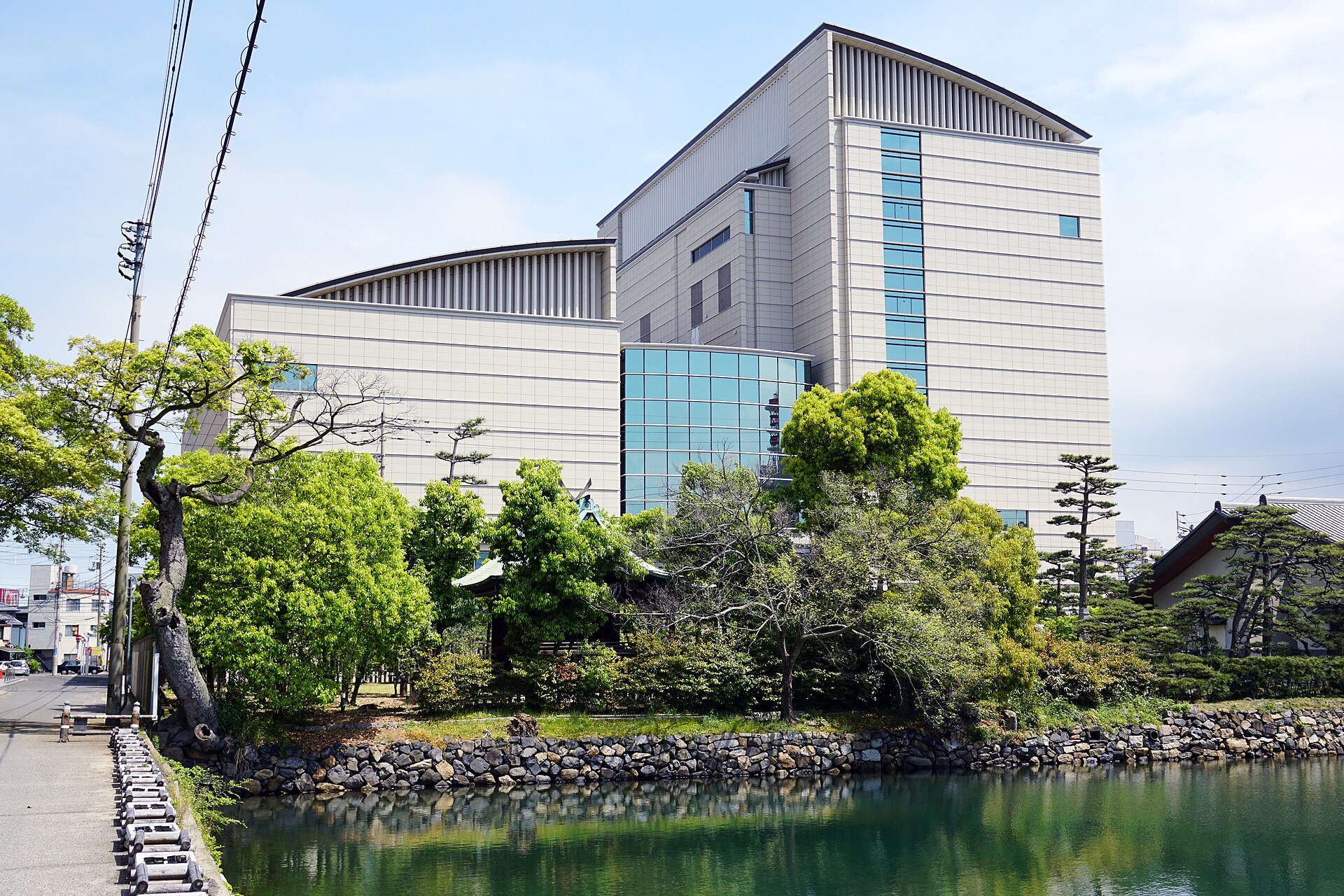
2015 museum exterior · artworks not shownPhoto: 663highland · Wikimedia Commons · CC BY 2.5 · Resized and cropped for display
The Kagawa Museum brings together paintings and prints of the prefecture, seen both as a hometown and as a place to visit. Seven works appear across the exhibition’s run, with two shown in different phases. This small collection display connects the scenery of a Kagawa trip with artists’ views of changing towns, coastal industry, temples and gardens.
Look at how each artist chooses to describe a place. Nakamura Eisuke’s Inokuma Residence (1979) finds an old house in a changing town, while Tanaka Takashi’s The Last Day of the Salt Fields (1972) records the year Kagawa’s salt fields were abolished. Fujishima Takeji’s Sunrise over Mount Goken (1932) captures a passing moment of dawn from Yashima. Kado Taku’s 艶景(讃山) (1983) brings several landmarks together symbolically, rather than painting a single literal view; Takeda Saburo’s Motoyamaji Temple (1980) uses the lines, restrained colour and empty spaces of a woodcut.
The two rotating works offer another comparison. Nakanishi Toshio’s Ritsurin Garden (1936), a watercolour arranging the garden in layers before Mount Shiun, is shown only from 1 September to 12 October. Hirayama Ikuo’s Tsuda Pine Grove (1988), with blue sea and a golden sky beyond the pines, follows from 14 October to 13 December. The museum is closed for the changeover on 13 October; the seven works are not all on view at once.
Official source noteAccess tipsGoogle Maps readyCheck before going
Venue
The Kagawa Museum — Permanent Exhibition Room 2, 2F
Nearest station
Kataharamachi Station
Reservation
Not confirmed — check the official page
October 10, 2026 – December 20, 2026OsakaOngoing
50 Years of NHK Sunday Art Museum
10:00–17:00, last entry 16:30. Closed Mondays, 13 Oct/24 Nov; open 12 Oct/23 Nov. Some works rotate.
Artworks and programme footage are shown together; the museum exhibition is separate from watching the television broadcast.
Venue
Nakanoshima Museum of Art, 5F, Kita, Osaka
October 9, 2026 – December 20, 2026OsakaOngoing
Ming Calligraphy: Treasures of the Ho Chuang-Shi Collection
09:30–17:00, last entry 16:30; Mondays closed except 12 Oct/23 Nov; closed 13 Oct/24 Nov. Reservation not required by exhibition page.
The temporary show focuses on Ming-period calligraphy; it offers a focused museum visit rather than a workshop booking.
Venue
Osaka City Museum of Fine Arts, Tennoji, Osaka
July 28, 2026 – December 20, 2026KyotoCultural exhibitionsOngoing
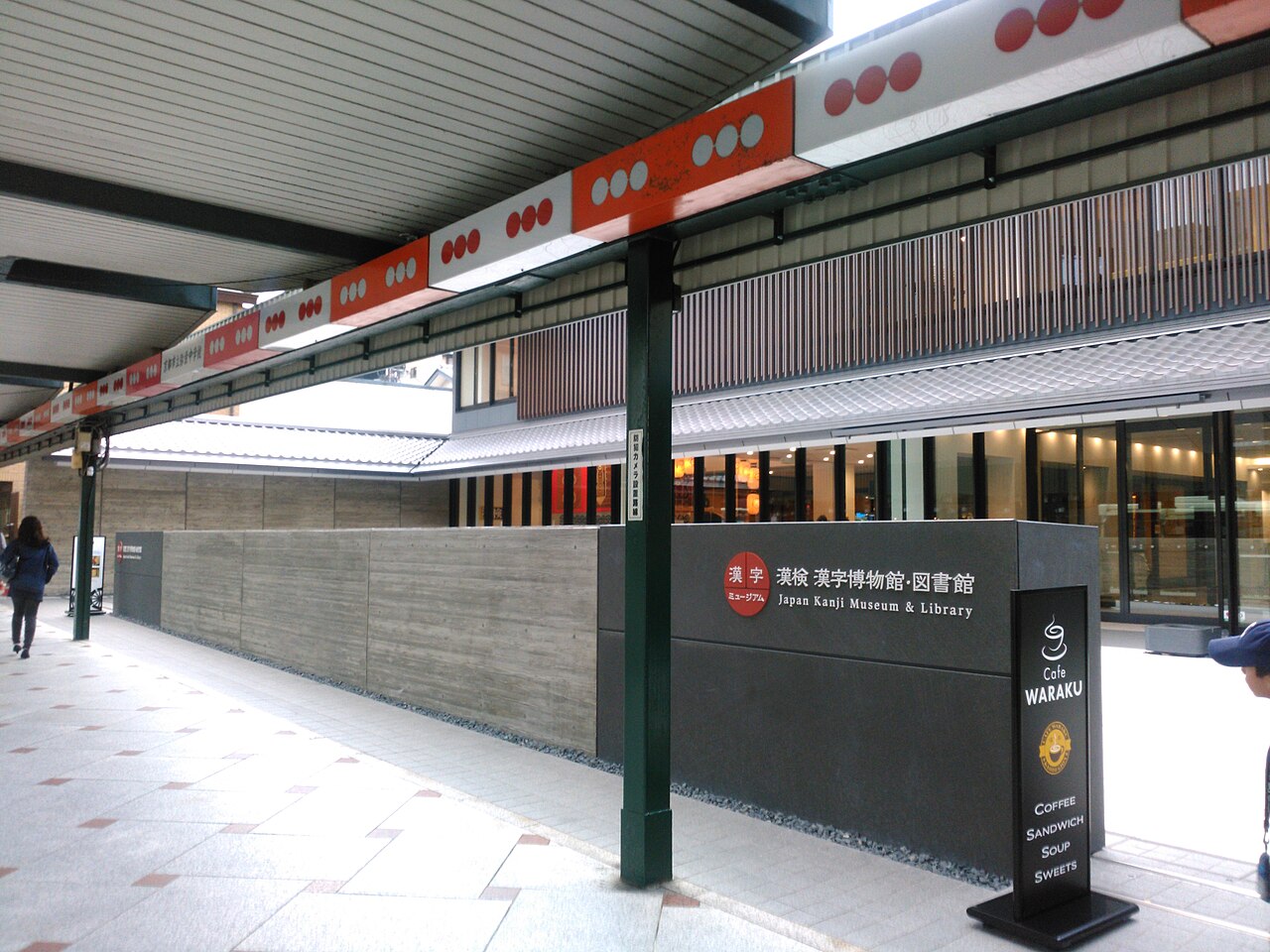
2017 museum entrance · old café sign, not this exhibitionPhoto: Lundariokn45 · Wikimedia Commons · CC BY-SA 4.0 · Resized and cropped for display
The Kanji Museum uses familiar Chinese dish names to explore characters, cooking methods and the way food culture changes between China and Japan. Its second-floor exhibition combines word games, hands-on displays and a restaurant-style photo set. This is a language and culture visit, not a meal or tasting event.
Six elements turn the theme into something you can explore. Pose in a Chinese-restaurant-style photo booth, then try an ingredient and dessert quiz: read the Chinese names, use the hints and open the doors to find their Japanese equivalents. A rotating table lets you connect dish names with the characters for cooking methods.
The other sections explain the origins of names such as gyoza, spring rolls and bangbang chicken; introduce Chinese regional cuisines through their characteristics and seasoning words; and look at dishes developed in Japan, including ramen and Tenshinhan. Together they show how familiar menu words can carry a method, a story or a change of cultural context. The photo set represents a restaurant; it does not serve food.
Official source noteAccess tipsGoogle Maps readyCheck before going
Venue
Kanji Museum — 2F temporary exhibition space
Nearest station
Gion-Shijo Station
Reservation
Not confirmed — check the official page
September 16, 2026 – December 20, 2026MatsumotoCultural exhibitionsOngoing
2011 museum exterior · prints not shownPhoto: Qurren · Wikimedia Commons · CC BY-SA 3.0 · Resized and cropped for display
Kawase Hasui and Yoshida Hiroshi turned travel sketches into landscape prints during the Taisho and Showa eras. At the Japan Ukiyo-e Museum, their representative series show how traditional woodblock techniques could create new impressions of mountains, cities and the sea. The exhibition has two phases, with every work replaced between them.
The first phase, 16 September–1 November, includes Hasui’s Night at Shinkawa from Twelve Tokyo Views and Taisho Pond at Kamikochi. Yoshida’s Glittering Sea from the Inland Sea series and Morning at Tsurugi from Twelve Scenes in the Japanese Alps offer a comparison between water, mountain forms and changing light. Takahashi Shotei’s Snow on the Ayase River is also assigned to this phase.
The second phase, 3 November–20 December, brings Hasui’s Zojoji Temple at Shiba and the Golden Hall at Chusonji, alongside Yoshida’s Breithorn and Evening after Rain. Ito Shinsui’s Hira from Eight Views of Omi belongs to this phase too. Follow how each artist translates a place into lines, colour and atmosphere; choosing a phase matters because none of the first-phase works stays on display for the second.
Official source noteAccess tipsGoogle Maps readyCheck before going
Venue
Japan Ukiyo-e Museum
Nearest station
Oniwa Station
Reservation
Not confirmed — check the official page
February 24, 2026 – January 3, 2027MatsuyamaCultural exhibitionsOngoing
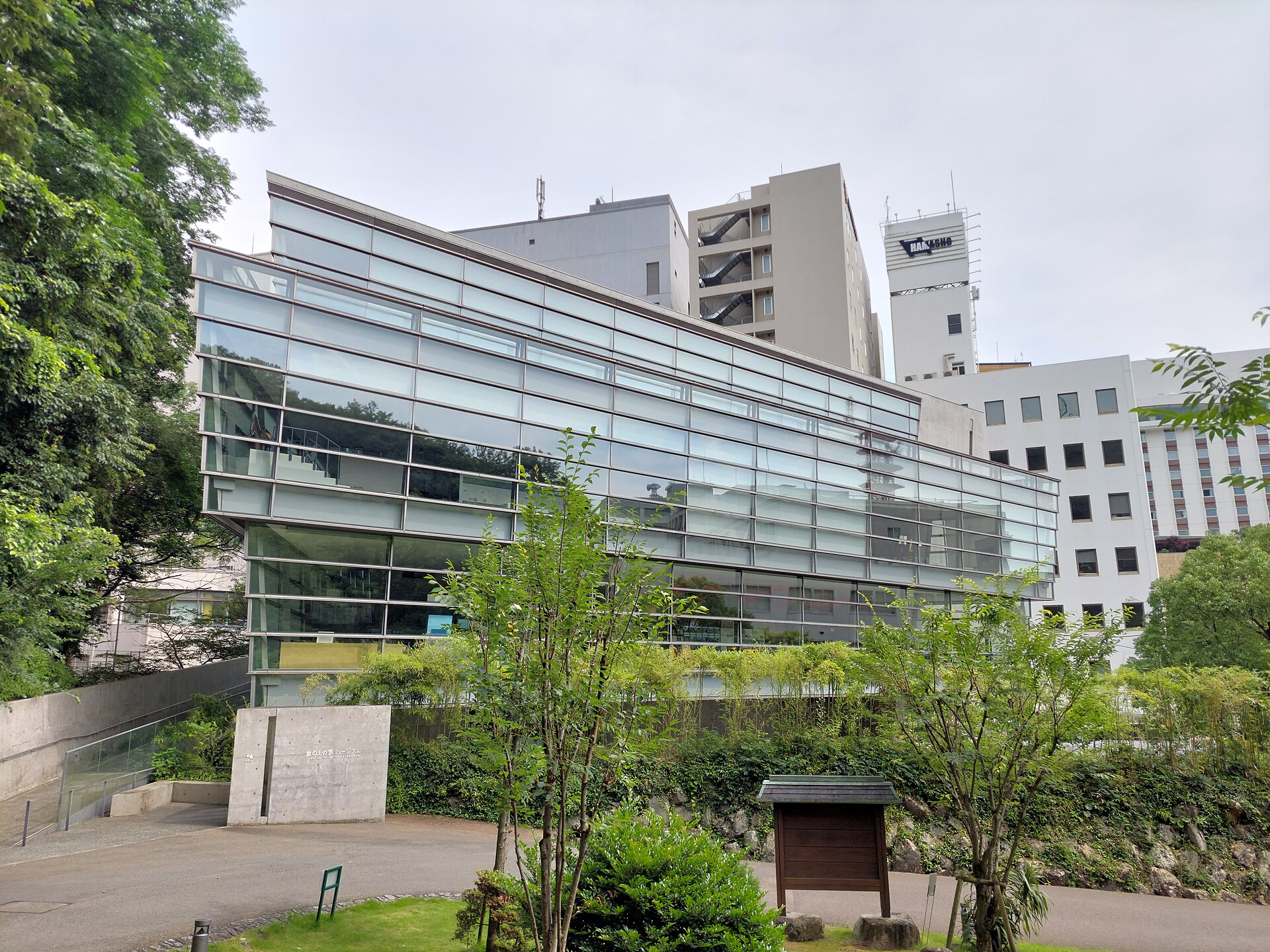
2023 museum exterior · exhibition not shownPhoto: 建園春秋 · Wikimedia Commons · CC BY-SA 4.0 · Resized and cropped for display
The Saka no Ue no Kumo Museum’s 19th thematic exhibition explores the knowledge, judgement and abilities of Meiji figures in politics, diplomacy and the military. Documents and personal objects connect people appearing in the novel with the turbulent years around the 1894 Sino-Japanese War, the Triple Intervention and growing tensions between Japan and Russia.
Five objects offer different ways into that history: Saigo Tsugumichi’s admiral shoulder boards, an Order of the Sacred Treasure breast star associated with Hayashi Tadasu, Tamura Iyozo’s military-academy diploma, a letter from Akashi Motojiro to Kato Takusen, and dagger fittings owned by Yamamoto Gonnohyoe. They bring correspondence, education, rank and public service into the same exhibition.
Compare what each kind of object can tell you. A letter is evidence of communication between people, a diploma records training, and insignia makes an official position visible. Looking at these differences gives a more varied account of the people behind the novel than a sequence of battles alone. The exhibition’s use of “intelligence” centres on historical wisdom and capability in a period of international crisis.
Official source noteAccess tipsGoogle Maps readyCheck before going
Venue
Saka no Ue no Kumo Museum — 4F Exhibition Room 3
Nearest station
Okaido tram stop
Reservation
Not confirmed — check the official page
October 10, 2026 – January 11, 2027SapporoOngoing
Five Great Ukiyo-e Masters — Sapporo
10 Oct–11 Jan;9:45–17:00,last admission16:30. Closed Mondays except holidays, then following Tuesday;2Nov open;28Dec–4Jan closed.
Portraits, landscapes and warrior prints make this a focused introduction to five different ukiyo-e artists. Check the museum's closure calendar before making the Art Park trip.
Venue
Sapporo Art Museum, Sapporo Art Park
October 3, 2026 – January 11, 2027HiroshimaOngoing
Artists at the Café — Hiroshima
09:00–17:00, last entry 16:30. Closed 16 Nov and 29 Dec–2 Jan; displays change after 15 Nov. Adult admission ¥2,200; check ticket options.
Paintings and prints explore café culture and artistic exchange from Impressionism to Picasso. A central-city indoor stop; works differ between the two display periods.
Venue
Hiroshima Museum of Art, Naka, Hiroshima
October 10, 2025 – February 28, 2027MatsuyamaOngoing
DOGO ART — Mika Ninagawa with EiM × Dogo Onsen
Project through 28 Feb 2027; installations include the Asuka-no-Yu courtyard. Honkan west-side projection only through 30 Sep 2026: starts every 15 minutes from 19:30 to 21:30, about 5 minutes each. Check component opening and bathing rules separately.
Colourful installations add an art walk around the hot-spring district; this is one project across several locations.
Venue
Dogo Onsen district, Matsuyama
September 5, 2026 – May 30, 2027KumamotoOngoing
Kaguya Hime Light Garden — Chapter 4
5 Sep 2026–30 May 2027, 18:00–21:00; last entry 20:45. Admission required. Year-end/New Year closures may apply; check the rooftop garden's operating notice before visiting.
A finite rooftop light installation combines illuminated paths, water and mist, with an evening visit that can continue into spring.
Venue
Sakura Machi Kumamoto rooftop garden, Kumamoto
October 18, 2026 – December 20, 2026TakamatsuUpcoming
Yusa Castle Autumn Tea Gatherings
Only 18 Oct, 15 Nov and 20 Dec. Seats start 09:30, 10:15, 11:00, 12:00, 13:00 and 14:00; 14:00 is the last seating, not a confirmed finish. Advance ¥900 / day ¥1,000. Morning seats can be busy; follow the host’s seating guidance and check ticket arrangements.
Tea and sweets offer a local cultural visit in suburban Konan; allow time to travel from central Takamatsu.
Venue
Konan Museum of History and Folklore, second training room, 253-1 Yusa, Konan-cho, Takamatsu
Kyoto National Museum’s 2026 special exhibition traces how The Tale of Genji shaped manuscripts, painting, decorative arts, textiles and performing traditions across centuries. The travelling project is planned around approximately 250 cultural properties across its venues; for Kyoto, the museum’s dated object list is the guide to what is actually on view on each visit date.
Choose your date around the work you most want to see. The National Treasure Tale of Genji Scroll shows Hashihime from 3–15 November and Yadorigi III from 17–29 November. The Teika manuscript Wakamurasaki is shown throughout, while all five surviving Teika Genji volumes appear together only from 3–15 November. Part I, 6 October–1 November, includes the Wakamurasaki leaf from an Important Cultural Property album, a portrait of Murasaki Shikibu and the Sekiya/Miotsukushi screens. Part II, 3–29 November, includes a pale-blue kosode. The Hatsune trousseau Uji incense box and Uji Princesses are listed throughout.
This is a strong reason to plan a Kyoto museum visit by date rather than by the exhibition title alone. Some objects rotate within the two broad parts, and the museum may change works or display periods, so check the current Kyoto object list before travelling.
Official source noteAccess tipsGoogle Maps readyCheck before going
Venue
Kyoto National Museum, Heisei Chishinkan Wing
Nearest station
Shichijo Station (Keihan Main Line), about 7 minutes on foot
Reservation
Usually not required
2026 · October 3–4, 6–12, 14–18, 20–25, 27–31; November 1, 3–8, 10–15, 17–23, 25–29; December 1–6, 8–13, 15–20TokyoCultural exhibitionsUpcoming
The Tokyo leg of this touring exhibition traces Marimekko’s printmaking and design history through more than 60 dresses, celebrated patterns, archival material and new installations.
The exhibition follows Marimekko from Armi Ratia’s founding of the company in 1951 through a design archive of more than 3,500 prints. More than 60 dresses connect fabric patterns to changing silhouettes, while named works such as Unikko, Seireeni, Iso Unikko, Kaivo and Siirtolapuutarha show how recurring motifs moved across decades and collections.
The Tokyo presentation also includes plaplax’s video installation about the Helsinki print factory and a new installation by Akira Minagawa. Japanese connections include designers Katsuji Wakisaka and Fujiwo Ishimoto. The Main Building—the former Prince Asaka residence—adds an Art Deco architectural setting to the design history; it should not be mistaken for a Marimekko installation itself.
Official source noteAccess tipsGoogle Maps readyCheck before going
Venue
Tokyo Metropolitan Teien Art Museum, Main Building and Annex
Nearest station
Shirokanedai or Meguro Station
Reservation
Check ahead
October 24, 2026 – November 3, 2026HiroshimaUpcoming
Autumn Green Fair 2026
09:00–16:30, last entry 16:00; garden entry free during the fair. Workshops have separate dates, capacities and fees. Some outdoor activities cancel in rain.
Seasonal flowers, garden walks and selected hands-on sessions make this a botanical-garden outing. Choose a workshop date rather than assuming the full programme runs daily.
Venue
Hiroshima Botanical Garden, Saeki, Hiroshima
October 24, 2026 – November 8, 2026HiroshimaUpcoming
Hiroshima Castle Chrysanthemum Exhibition
10:00–16:30; opening ceremony 24 Oct at 10:30; closes 15:30 on 8 Nov. Free public display. Recheck notices before an outdoor visit.
Chrysanthemum displays fill the Ninomaru grounds, offering a seasonal garden stop beside the castle. This is the outdoor exhibition, not a promise of castle-building access.
Venue
Hiroshima Castle Ninomaru, Motomachi, Hiroshima
2026 · September 5–6, 12–13, 19–27; October 3–4, 10–12, 17–18, 24–25, 31; November 1, 3, 7–8, 14–15, 21–23, 28–29OsakaSeasonal openingsUpcoming
Osaka Castle’s autumn special opening lets visitors enter the usually closed Tamon and Sengan turrets. These surviving defensive buildings offer a closer look at the castle’s working fortifications, with admission also covering Nishinomaru Garden. The season has 34 planned opening dates, rather than daily access throughout September–November.
Start with the turrets’ defensive purpose: watching approaches and protecting the castle through openings for arrows and matchlocks. At Sengan, the official tourism programme describes aiming a replica matchlock through a gunport toward Otemon Gate. It is an aiming experience, not gunfire. Seeing the openings from inside helps explain how these buildings functioned as more than decorative landmarks.
The surviving structures belong to the castle rebuilt under the Tokugawa shogunate after the fall of the Toyotomi family. Compare those enclosed defensive spaces with Nishinomaru Garden’s open lawns and views of the main tower and stone walls. This autumn visit covers Tamon and Sengan; the Inui turret’s summer opening is a separate, completed season.
Official source noteAccess tipsGoogle Maps readyCheck before going
Venue
Tamon and Sengan turrets, Nishinomaru Garden, Osaka Castle Park
Nearest station
Tanimachi 4-chome Station
Reservation
Not confirmed — check the official page
October 26, 2026 – November 4, 2026TokyoUpcoming
39th Tokyo International Film Festival
26 Oct–4 Nov; individual screenings and events follow their own programme and ticket rules.
Use the public festival programme to choose a screening; this record does not represent the separate industry market.
Venue
Hibiya, Yurakucho, Marunouchi and Ginza area venues, Tokyo
October 27, 2026 – January 24, 2027TokushimaUpcoming
Tokushima in Showa Photographs
09:30–17:00; free entry. Closed Mondays and third Thursdays (next day when a public holiday), plus 29 Dec–4 Jan. The Archives reopened in July; this is its 2F space, not the art museum’s closed 2F.
Historic photographs reveal everyday Tokushima in the Showa era and why family images matter as records. The long run offers a winter local-history stop.
Venue
Tokushima Prefectural Archives, 2F exhibition and lecture rooms, Bunka-no-Mori, Tokushima
October 31, 2026 – November 1, 2026TokyoUpcoming
Roppongi Art Night 2026
31 Oct–1 Nov overnight festival; installations and venue opening periods differ. No single continuous interval is asserted.
Art installations and performances are spread across Roppongi; choose venues from the programme, with some admission charges separate.
Venue
Roppongi district venues and public spaces, Minato, Tokyo
October 31, 2026 – January 31, 2027OsakaUpcoming
Edo in Focus: Japanese Treasures from the British Museum — Osaka
10:00–17:00, Fridays to 20:00. Mondays closed except 23 Nov/11 Jan; closed 24 Nov, 31 Dec, 1 and 12 Jan. Last entry 30 minutes before close.
The Osaka tour stop presents Edo painting and prints; it starts after the Tokyo presentation has ended.
Venue
Nakanoshima Museum of Art, 4F, Kita, Osaka
October 31, 2026 – November 3, 2026YokohamaUpcoming
National Furusato Food Fair 2026
31 Oct–3 Nov 10:00–18:00; rain proceeds, severe weather cancels; free entry.
Regional food stalls make this a tasting stop during a Red Brick visit rather than a seated meal reservation. Entry is free, with individual food choices made at the event.
Venue
Yokohama Red Brick Warehouse Event Square
October 31, 2026 – January 11, 2027KochiUpcoming
Ekin: Stories Told, Stories Retold
09:00–17:00, last entry 16:30. On opening day (31 Oct), admission begins after the opening ceremony starting at 10:00. Closed 27 Dec–1 Jan. Adult tickets ¥1,200 advance / ¥1,500 on the day; university students ¥1,000, high-school age and younger free. Admission is free on 3 Nov for the museum anniversary. Check exhibition ticket notices.
Discover Ekin’s dramatic paintings alongside the living traditions that preserve them in Kochi. This is the prefectural museum exhibition, with its own ticket and holiday schedule.
Venue
The Museum of Art, Kochi, 353-2 Takasu, Kochi
October 31, 2026 – April 18, 2027KanazawaUpcoming
From Today to Tomorrow: Passing on Works
31 Oct 2026–18 Apr 2027, 10:00–18:00; Fri/Sat until 20:00, Jan 2–3 until 17:00. Closed Mondays except Nov 23, Jan 11 and Mar 22; also closed Nov 24, Dec 29–Jan 1, Jan 12 and Mar 23. Exhibition admission required. Check separate booking rules for individual experiences before planning them into your visit.
A temporary exhibition explores how artworks are preserved and passed on.
Venue
21st Century Museum of Contemporary Art, Kanazawa, galleries 1–6 and exchange zone
November 1, 2026 – November 30, 2026KagoshimaUpcoming
67th Sengan-en Chrysanthemum Festival
09:00–17:00, last entry 16:30. Included with Sengan-en admission: general¥1,600, school pupils¥800; ticket also includes Goten and Shoko Shuseikan. Check outdoor-display/weather notices before departure.
Seasonal chrysanthemum displays add a garden visit overlooking the bay, with a month-long window.
Venue
Sengan-en, 9700-1 Yoshinocho, Kagoshima
November 1, 2026 12:00 AM – November 3, 2026 1:00 PM JSTSapporoCultural exhibitionsUpcoming
2011 venue reference · festival display not shownPhoto: 663highland · Wikimedia Commons · CC BY 2.5 · Resized and cropped for display
The 64th Sapporo Chrysanthemum Festival is scheduled for November 1–3, 2026. Chi-Ka-Ho is the main venue, with related displays at Aurora Square in Aurora Town and the Hokuhoku Sapporo Building entrance and Lilac Gallery. The official notice says public viewing is planned from around 15:00 on October 31 and that the final day ends at 13:00; recheck before departure.
Choose it when the horticultural craft is the point: the official guide explains that judges look beyond flower size to form, leaf condition, root structure and overall balance across several trained styles. Because the displays are spread through underground and indoor spaces, it fits best as a route-integrated central-Sapporo stop, not as a single seated program.
Official source noteAccess tipsGoogle Maps readyCheck before going
Venue
Sapporo Ekimae-dori Underground Walkway (Chi-Ka-Ho)
Reservation
Not confirmed — check the official page
November 1, 2026 · 1:30 PM start; End time not published & November 1, 2026 · 4:00 PM start; End time not published & November 2, 2026 · 1:30 PM start; End time not published & November 2, 2026 · 4:00 PM start; End time not published & November 3, 2026 · 1:30 PM start; End time not published & November 3, 2026 · 4:00 PM start; End time not published & November 4, 2026 · 1:30 PM start; End time not published & November 4, 2026 · 4:00 PM start; End time not published & November 5, 2026 · 1:30 PM start; End time not published & November 5, 2026 · 4:00 PM start; End time not published & November 6, 2026 · 1:30 PM start; End time not published & November 6, 2026 · 4:00 PM start; End time not published & November 7, 2026 · 1:30 PM start; End time not published & November 7, 2026 · 4:00 PM start; End time not published & November 8, 2026 · 1:30 PM start; End time not published & November 8, 2026 · 4:00 PM start; End time not published & November 9, 2026 · 1:30 PM start; End time not published & November 9, 2026 · 4:00 PM start; End time not published & November 10, 2026 · 1:30 PM start; End time not published & November 10, 2026 · 4:00 PM start; End time not publishedKyotoPerforming artsUpcoming
Gion Higashi presents its ten-day autumn dance programme at Gion Kaikan, with performances at 13:30 and 16:00 each day. The approximately one-hour production brings together geiko and maiko in an original-script sequence of nagauta and kiyomoto dance, followed by the Gion Higashi Kouta finale.
The value is in seeing one hanamachi’s own stage tradition rather than a general Kyoto dance sampler. The programme moves through a choreographed medley before the full-company finale sings of the seasons around Gion Higashi. Its annual November run gives a Gion visit a specific scheduled performance to build around.
Choose the earlier or later performance around the rest of your Gion day. Doors open around 40 minutes before curtain time. If you buy the tea-included ticket, the tea service is a separate arrangement: it begins one hour before the performance and ends five minutes before curtain.
Official source noteAccess tipsGoogle Maps readyCheck before going
Venue
Gion Kaikan
Nearest station
Gion-Shijo Station (Keihan Main Line), about 10 minutes on foot
Reservation
Not confirmed — check the official page
November 2, 2026 – November 3, 2026KagoshimaUpcoming
75th Ohara Festival
2 Nov 18:50–20:20; 3 Nov 10:20–15:25, according to the current official 2026 event notice. These are separate public festival sessions, not an overnight programme. Dancer recruitment has closed; recheck the timetable, weather and traffic notices before departure.
Street dancing brings a large city-centre festival choice; select the evening or daytime session before planning where to watch.
3 Nov 09:30–16:00. The museum’s listed festival programme is free and needs no advance application. Check individual activity and weather notices; the art museum’s 2F remains closed.
Family-oriented museum activities give a reason to explore the cultural park on Culture Day. Choose suitable activities from the day’s programme and allow time to move between the announced spaces.
Venue
Bunka-no-Mori Comprehensive Park, Hachimancho, Tokushima
November 3, 2026 · 11:00 AM–7:00 PM JSTFukuokaFestivalsUpcoming
A free one-day public event at Fukuoka Daimyo Garden City Park on November 3, 2026, from 11:00 to 19:00. Recheck the official Fukuoka City page and weather updates before visiting.
Fukuoka City describes 100FES as an intergenerational event with art, market stalls, food and performances. Plan around the activities you want to see rather than treating the full opening window as a required stay; check the official programme before choosing your visiting time.
Official source noteAccess tipsGoogle Maps readyCheck before going
Venue
Fukuoka Daimyo Garden City Park
Reservation
Not confirmed — check the official page
November 3, 2026 5:00 PM – January 1, 2027 1:00 AM JSTOsakaWinter IlluminationUpcoming
According to the City of Osaka's 2026 announcement, Midosuji Illumination runs from November 3 to December 31, 2026 along the corridor from the Hanshin-mae intersection to the Namba West Exit intersection, with lighting around 17:00 to 25:00. For visitors, it works best as a choose-one-section winter city walk linked to dinner, shopping, or a hotel return in central Osaka rather than as an obligation to cover the whole boulevard in one night.
A strong Osaka winter evening if you want a photogenic city walk and can match one Midosuji section to dinner and the route back to your hotel. It becomes less satisfying when treated as a full-length obligation or a tightly timed dash after another fixed reservation.
Official source checkedAccess tipsGoogle Maps readyTravel notes included
November 6, 2026 – December 6, 2026KumamotoUpcoming
Lux Night KUMAMOTO 2026 — Hanazaku Mizukagami
6 Nov–6 Dec, 18:00–21:00; last entry 20:30. Admission required; ticket sales expected around October. Check weather and operating notices before the evening garden visit.
Bamboo, flower and reflected-light installations offer a night view of Suizenji's garden landscape.
Venue
Suizenji Jojuen, 8-1 Suizenji Koen, Kumamoto
November 7, 2026 – November 8, 2026YokohamaUpcoming
LOCALGREEN FESTIVAL 2026
7–8 Nov; free entry in 2026; stage and market operating times not yet verified.
Music and plant, vintage and lifestyle markets form a mixed waterfront outing. Admission is free in 2026, but the performance timetable still needs checking before choosing when to go.
Venue
Yokohama Red Brick Warehouse Event Square and Red Brick Park
November 7, 2026 & November 19, 2026TokyoFestivalsUpcoming
Past event referencePhoto: Yoshikazu TAKADA from Tokyo Japan · Wikimedia Commons · CC BY 2.0 · Resized and cropped for display
Asakusa Tori no Ichi 2026 is officially held on two separate Tori days, November 7 and November 19, at Chokokuji Temple Grounds in Taito. Each official event day runs from 00:00 to 24:00, so visitors should treat the two dates as separate visits rather than as one continuous festival period.
A strong pick for travelers who want a traditional Tokyo fair with shrine-market atmosphere, late-night energy, and lucky-rake shopping, but it works best if you can handle dense crowds and flexible timing instead of expecting a tightly managed event flow.
Official source noteAccess tipsGoogle Maps readyCheck before going
Venue
Chokokuji Temple Grounds
Reservation
Usually not required
2026 · September 19–22; November 7, 14–15, 21–22, 28–29KanazawaFestivalsUpcoming
Kanazawa Castle Park and Kenrokuen open after dark on 11 published autumn nights, lighting Kenrokuen landmarks, castle buildings, stone walls and Gyokusen'inmaru Garden. The four September nights have concluded; seven November nights remain, with free night entry until the 20:45 final admission.
This is a two-venue night walk rather than an extension of ordinary daytime sightseeing. In Kenrokuen, the published lighting includes Kotoji Lantern, Karasaki Pine and the fountain; across Kanazawa Castle Park, the focus shifts to illuminated castle architecture, stone walls and Gyokusen'inmaru Garden. Selected nights also have short traditional-music performances around Uchihashitei by Kasumigaike, but the programme may change.
Use the evening as its own visit. The public window is only two or three hours, the Kotoji Lantern area can become one-way for safety, and moving between the garden and castle takes time. Choose a starting gate, continue through the adjacent venue instead of repeatedly doubling back, and decide the return bus or taxi before entering. The outer castle walls may remain lit until 22:00, but park admission still ends at 20:45 and the gates close at 21:00.
Official source noteAccess tipsGoogle Maps readyCheck before going
Venue
Kenrokuen and Kanazawa Castle Park
Nearest station
Kenrokuen-shita / Kanazawa Castle bus stop
Reservation
Usually not required
November 9, 2026SapporoUpcoming
Monster Hunter Orchestra Concert: Hunting Music Festival 2026 — Sapporo
9 Nov, performance starts19:00; finish time not published in the retained source.
This is a seated orchestral performance of game music, not a drop-in gaming event. Check tickets and the preschool-age admission restriction before fitting it into your evening.
Venue
Sapporo Cultural Arts Theater hitaru
November 12, 2026 · 4:00 PM start; End time not published & November 13, 2026 · 4:00 PM start; End time not published & November 14, 2026 · 4:00 PM start; End time not published & November 15, 2026 · 4:00 PM start; End time not published & November 16, 2026 · 4:00 PM start; End time not published & November 17, 2026 · 4:00 PM start; End time not published & November 18, 2026 · 4:00 PM start; End time not publishedKyotoPerforming artsUpcoming
Kamishichiken’s annual autumn performance brings geiko and maiko to the stage of Kamishichiken Kaburenjo for five named works of dance, song and shamisen. One performance begins at 16:00 on each of the seven days, with doors at 15:30. Kyoto City Tourism Association describes the running time as approximately two hours; no exact finish time is published.
The programme is specific enough to choose this event for the repertoire, not simply for a generic hanamachi atmosphere. It includes the nagauta works 宝船, 屋敷娘, 旅 and 棒しばり, together with the sōfūraku work 田螺. The changes in group size and performers across those works give the evening a sequence of distinct scenes.
The setting adds a second reason to go: Kyoto City tourism describes Kamishichiken as the city’s oldest hanamachi and the theatre as normally closed to the general public. Attend for the scheduled performance rather than expecting an unscheduled building visit.
Official source noteAccess tipsGoogle Maps readyCheck before going
Venue
Kamishichiken Kaburenjo
Nearest station
Kitano Tenmangu-mae or Kamishichiken bus stop, about 3 minutes on foot
Reservation
Not confirmed — check the official page
November 13, 2026KanazawaUpcoming
ALICE THE MUSICAL — Ishikawa
13 Nov; doors 18:00, performance 18:45 at Honda no Mori Hokuden Hall. Reserved seats: S ¥11,000 / A ¥9,000. Check current ticket availability. Preschool children are not admitted.
A Japanese-language musical provides an indoor evening performance; enjoyment of the story depends on Japanese comprehension.
Venue
Honda no Mori Hokuden Hall, Kanazawa
November 14, 2026 – March 28, 2027TokyoUpcoming
What a Wonderful World: Masterworks from the Musée d’Orsay
09:30–17:30, Fridays until 20:00; Mondays closed with official holiday exceptions. 23 Nov open and 24 Nov closed; later year-end closures also apply.
Paintings, sculpture and other works examine everyday life.
Venue
Tokyo Metropolitan Art Museum, special exhibition galleries, Ueno, Tokyo
November 14, 2026 – December 13, 2026OsakaUpcoming
Osaka Directory 13: Hazuki Tachibana
10:00–17:00; closed Mondays and 24 Nov, open 23 Nov.
This free temporary artist exhibition uses the museum's second-floor space, separate from its ticketed upper-floor shows.
Venue
Nakanoshima Museum of Art, 2F multipurpose space, Kita, Osaka
November 14, 2026 – November 15, 2026NagoyaUpcoming
Endoji Autumn Paris Festival 2026
14–15 Nov, 11:00–18:00; free entry to the shopping-arcade festival.
French-style stalls and live music change the atmosphere of the arcade for two days. This is a street-market visit rather than a single performance with a fixed seated programme.
Venue
Endoji Shopping Arcade, Nagono1-chome, Nishi-ku, Nagoya
November 14, 2026 – November 29, 2026NagoyaUpcoming
National Treasure Tale of Genji Scrolls: Yokobue and Yadorigi II
14–29 Nov, 10:00–17:00; last admission 16:30. Mondays closed except holidays, then the following weekday closes.
This short special display presents two named sections of the original Genji scrolls, not a year-round promise that all scrolls are on view. Match your museum date to this narrow viewing window.
Venue
Tokugawa Art Museum, Nagoya
November 14, 2026 – November 15, 2026MatsumotoUpcoming
OVERHEAD FES
Both days: doors 11:00, start 12:00, end about 19:00. General tickets: 2 days¥12,000; 1-day adult¥7,000/high-school¥3,000. Up to 2 middle-school-age or younger children free per accompanying guardian. Early-bird sales ended; check ticket availability.
A two-day music option at Yamabiko Dome; this is separate from the MPAC halls undergoing construction.
Venue
I-net Yamabiko Dome, Shinshu Sky Park, 9036-4 Kukohigashi, Matsumoto
November 15, 2026HiroshimaUpcoming
Hiroshima International Festa 2026
15 Nov, 10:00–16:00; listed as open to the public. The 2026 session, booking and activity-fee details are not yet published; check the organizer before choosing an activity.
A community exchange day focused on international cultures. It offers a different reason to visit Peace Memorial Park; older programme photos do not guarantee this year’s activities.
Venue
International Conference Center Hiroshima, Peace Memorial Park, Hiroshima
November 15, 2026KochiUpcoming
Akibare Harmonia
15 Nov at 14:00 only. Audience tickets ¥2,000 advance via Lawson Ticket / ¥2,500 on the day, subject to availability. Performer recruitment has closed and is separate from audience tickets.
An inclusive Japanese-language theatre project brings different voices to a small Kochi stage. Plan for the scheduled performance, not an all-day attraction or open workshop.
Venue
Mini Theatre Tako-gura, 28 Minamikanada, Kochi
November 19, 2026 – January 11, 2027TokyoUpcoming
Ways of Reading — Tokyo Metropolitan Art Museum
09:30–17:30, Fridays until 20:00; closes 7 Dec and 21 Dec–3 Jan. Last admission 30 minutes before close.
A free temporary exhibition brings five artists into dialogue; galleries A/C are distinct from the simultaneous archives display.
Venue
Tokyo Metropolitan Art Museum, galleries A/C, Ueno, Tokyo
November 19, 2026 – January 11, 2027TokyoUpcoming
The History of the Tokyo Metropolitan Art Museum
09:30–17:30, Fridays until 20:00; closes 7 Dec and 21 Dec–3 Jan. Last admission 30 minutes before close.
The free anniversary archives exhibition traces the museum's history; it is not the institution's ordinary permanent opening.
Venue
Tokyo Metropolitan Art Museum, gallery B, Ueno, Tokyo
November 20, 2026 – March 14, 2027SapporoUpcoming
Sapporo White Illumination 2026–27
From 20 Nov; Odori ends 25 Dec, Ekimae-dori 11 Feb, other listed central venues 14 Mar. Lighting hours vary and were not verified.
Choose the illuminated area before planning your evening walk: the Odori installations and the station-area lights have different closing dates.
Venue
Odori Park, Ekimae-dori, Minami 1-jo, Akapla and Sapporo Station south square
November 20, 2026 – December 25, 2026SapporoUpcoming
Munich Christmas Market in Sapporo 2026
20 Nov–25 Dec; open 11:00–21:00 (last order 20:45). Recheck the 2026 stall programme; older programme information remains on the official page.
Pair the Christmas stalls with the neighbouring lights, but check the 2026 market programme before choosing a meal stop; the published detail page still carries older information.
Venue
Odori Park, Nishi 1–2-chome
November 20, 2026 – November 29, 2026OkayamaUpcoming
Korakuen Autumn Fantasy Garden
17:00–20:30, last entry 20:00. Garden admission applies; check the current evening programme and weather notices. Performer recruitment is separate from visitor entry.
Autumn illumination offers a later garden visit after daytime sightseeing; it is a separate seasonal opening from September moon viewing.
Venue
Okayama Korakuen, 1-5 Korakuen, Okayama
November 20, 2026 – November 29, 2026TakamatsuUpcoming
Ritsurin Garden Autumn Illumination
20–29 Nov at Ritsurin Garden. Programme details are expected in late October; check evening hours, admission and weather notices before travelling.
An autumn evening garden visit adds an outdoor choice beyond the city’s museums.
Venue
Ritsurin Garden, Takamatsu
November 21, 2026 12:00 AM – November 30, 2026 9:30 PM JSTKyotoAutumn LeavesUpcoming
Autumn illumination context · capture date unconfirmedPhoto: lumoplank · Wikimedia Commons · CC0 1.0 · Resized and cropped for display
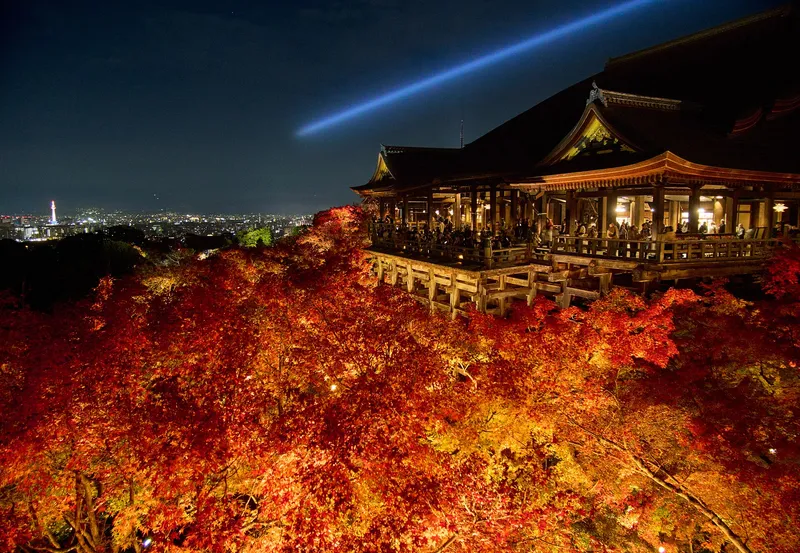
Kiyomizu-dera Autumn Night Viewing 2026 gives Kyoto visitors a classic Higashiyama evening plan, but the climb, crowds, and return trip matter as much as the view. Treat it as a timed night outing with a clear route in and a clear route out.
A strong choice if you want a memorable Kyoto autumn night and are comfortable with uphill walking, evening crowds, and a planned return. It is less suitable as a spontaneous add-on for travelers with luggage, mobility limits, or tight back-to-back reservations.
Official source checkedAccess tipsGoogle Maps readyTravel notes included
A free Satsuma biwa performance gathering at Kagoshima City Central Community Center on November 23, 2026, from 12:30 to 17:00. Recheck the official Kagoshima City listing before you go.
Treat this as a single afternoon traditional-performing-arts stop in Kagoshima. The official listing gives one 12:30–17:00 public window at the Central Community Center.
Official source noteAccess tipsGoogle Maps readyCheck before going
Venue
Kagoshima City Central Community Center
Reservation
Not confirmed — check the official page
November 28, 2026 – November 29, 2026KanazawaUpcoming
KOGEI Art Fair Kanazawa 2026
Public days: Nov 28, 11:00–19:00; Nov 29, 11:00–18:00. Last entry 30 minutes before closing. Two-day admission: advance ¥2,500 / door ¥3,000. Reception on Hyatt Centric Kanazawa's second floor.
Gallery presentations bring contemporary craft into hotel rooms; a focused option for seeing and buying craft works.
Venue
Hyatt Centric Kanazawa, 2F, 4F and 5F, 1-5-2 Hirooka, Kanazawa
November 28, 2026 – November 29, 2026MatsuyamaUpcoming
Ehime Matsuyama Sugoi Mono Expo
28 Nov 10:00–16:00; 29 Nov 10:00–15:30 at Shiroyama Park. Held in rain; cancelled in severe weather. Purchases are separate. Check the current programme; no temporary event parking.
Browse regional food and products in the park, adding an outdoor local-culture choice to a museum itinerary.
Venue
Shiroyama Park, Horinouchi, Matsuyama
November 29, 2026MatsuyamaUpcoming
Orchestra Van Wassenaer: French Baroque
29 Nov: doors 13:30, concert 14:00. Adults ¥4,000 advance / ¥4,500 on the day; students ¥2,000 / ¥2,500. Arrange a concert ticket and check availability with the organizer.
Period instruments explore Couperin and Rameau in Bansuiso’s French-style villa. The concert gives late-November visitors a distinct chamber-music option.