For the Placard
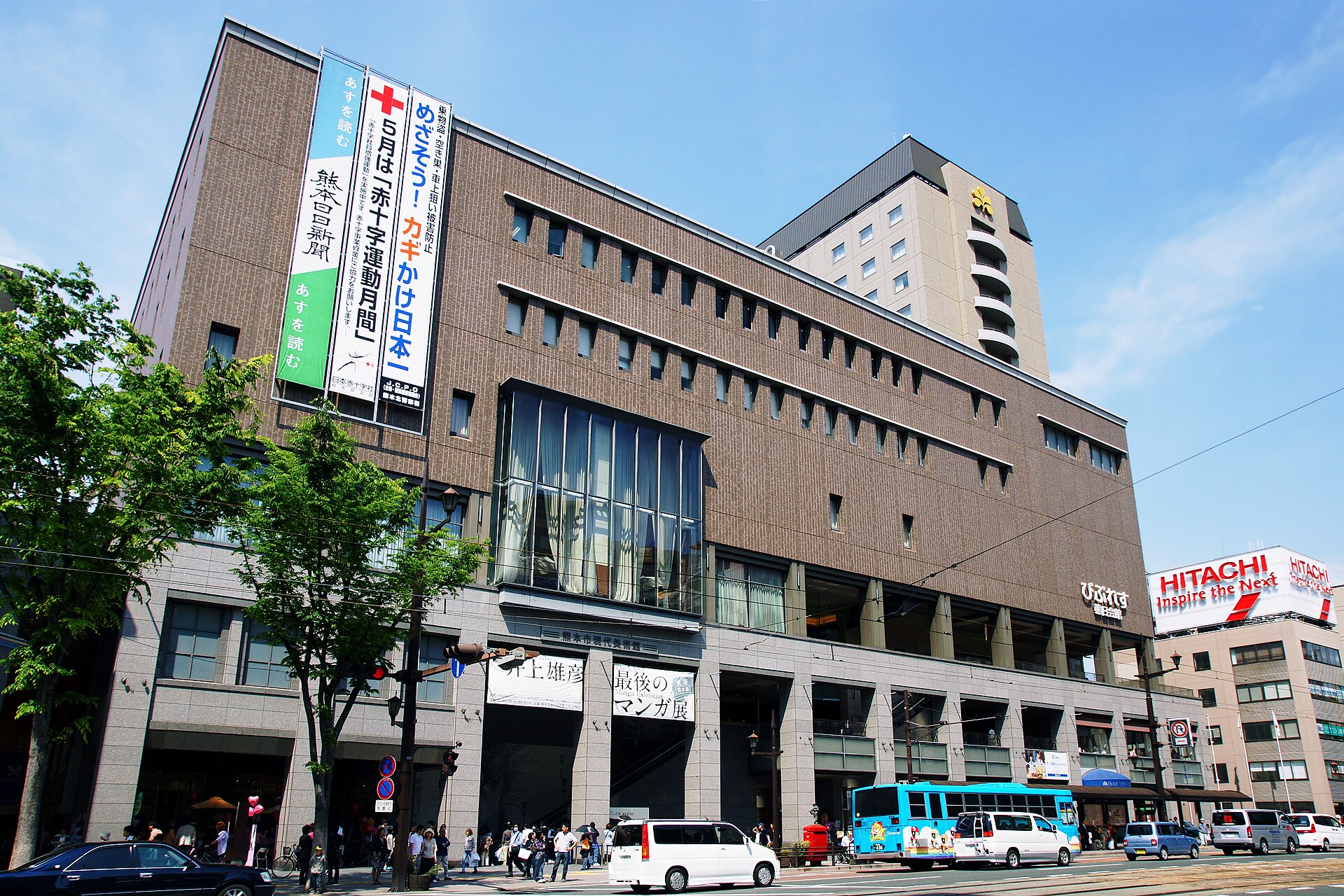
Seven artists at the Contemporary Art Museum Kumamoto explore how personal experience can become a public voice. The exhibition begins with Mitsuko Tabe’s 1961 essay and work Placard, then connects her challenge to social inequality with six artists working through photographs, moving images, installations and small sculptural objects.
The exhibition gives Tabe’s ideas a substantial presence through 26 of her works. Her five-part Placard uses collage and kiss marks on sliding-door panels, making the choice of materials part of its challenge to established forms. Artificial Placenta grew from her experience of pregnancy and women’s inequality; the museum holds the 2004 recreation, since the 1961 original no longer survives. These works provide a starting point for asking how an experience that is difficult to express can take a visible form. The six other artists approach that question in distinct ways. Tomoko Ushijima combines words on irregular washi with an installation rooted in daily life and making. Lieko Shiga presents the re-edited video installation 風の吹くとき (2022–2025) and two photographs, drawing on her experience of the 2011 disaster and reconstruction. Shingo Kanagawa’s ongoing projects 祈り/長崎 and 明るくていい部屋 reconsider family and faith through his own life and body. Look closely at scale and materials: Sawako Tanizawa’s tiny ceramic-paper placards give form to voices that history has suppressed, while her cut-paper works enter into dialogue with earlier women artists. Yuki Iiyama’s film 海の観音さまに会いにいく follows a family trying to engage with the hallucinations experienced by her sister. Yuriko Sasaoka’s new 2026 Working Pig turns an old stuffed toy into a singing pig that asks its human audience about labour. Together, the works invite attention to how an image is made and who gets to speak, as well as to the subjects depicted.
- Venue
- Contemporary Art Museum Kumamoto, Galleries I and II
- Nearest station
- Torichosuji tram stop
- Reservation
- Not confirmed — check the official page