Give your first Matsumoto visit a focus before you optimise the arrival
For a short central Matsumoto visit, make Matsumoto Castle the main stop and treat nearby Former Kaichi School as an optional extension. Start at the station’s Castle Exit, choose walking or the Town Sneaker North Course to suit your group, and keep the return to Matsumoto Station in the plan.
For the Former Kaichi School’s 150th anniversary, an exhibition of drawings preserved by the Tateishi family explores how Matsumoto carpenter Tateishi Seijū planned and built the school and other buildings. All seven plans designated as associated National Treasure material are shown alongside drawings for Seba School, Matsumoto Court and newly discovered wooden working drawings.
The seven Kaichi plans make the school’s layout a subject to study, rather than simply a backdrop to a visit. Look at how rooms and circulation were planned, then relate the drawings to the building around you. Tateishi combined Japanese and Western forms at a time when local carpenters were adapting traditional woodworking skills to unfamiliar architectural designs.
Drawings for Seba School, completed in 1877, and Matsumoto Court, completed in 1878, broaden that comparison beyond Kaichi. The exhibition also presents newly discovered drawings on wooden boards for the first time, including an entrance elevation. These were working drawings used at construction sites. Comparing paper plans with the boards shifts attention from the finished facade to the decisions and drawing methods behind construction.
Official source noteAccess tipsGoogle Maps readyCheck before going
Venue
Former Kaichi School, first-floor special exhibition room and other areas
Nearest station
Matsumoto Station
Reservation
Not confirmed — check the official page
September 12, 2026 – November 30, 2026Cultural exhibitionsOngoing
The Baba Family Residence in Uchida opens its usually closed middle gate for an autumn walk through the small courtyard. You can also approach the front of the retirement house and see it and the tearoom at closer range. The setting is a preserved family estate on the edge of the Matsumoto plain.
The middle gate gives this seasonal opening a particular meaning: in the Edo period, it was opened for visits by the Suwa lord of Takashima. Passing through it lets you look at the relationship between the main household, the courtyard and the retirement house. A waterwheel once turned in the courtyard; today, that history helps explain how the estate combined buildings and landscape.
The wider residence includes an 1851 main house in the regional honmune-zukuri style and an imposing front gate with longhouses built in 1859. Compare the carefully designed reception spaces with everyday living spaces, then look at the woodland and earth banks around the estate. An 1895 house plan helped guide the restoration, giving the visit a connection to how the family actually arranged its home.
Official source noteAccess tipsGoogle Maps readyCheck before going
Venue
Baba Family Residence, Uchida
Reservation
Not confirmed — check the official page
September 16, 2026 – December 20, 2026Cultural exhibitionsOngoing
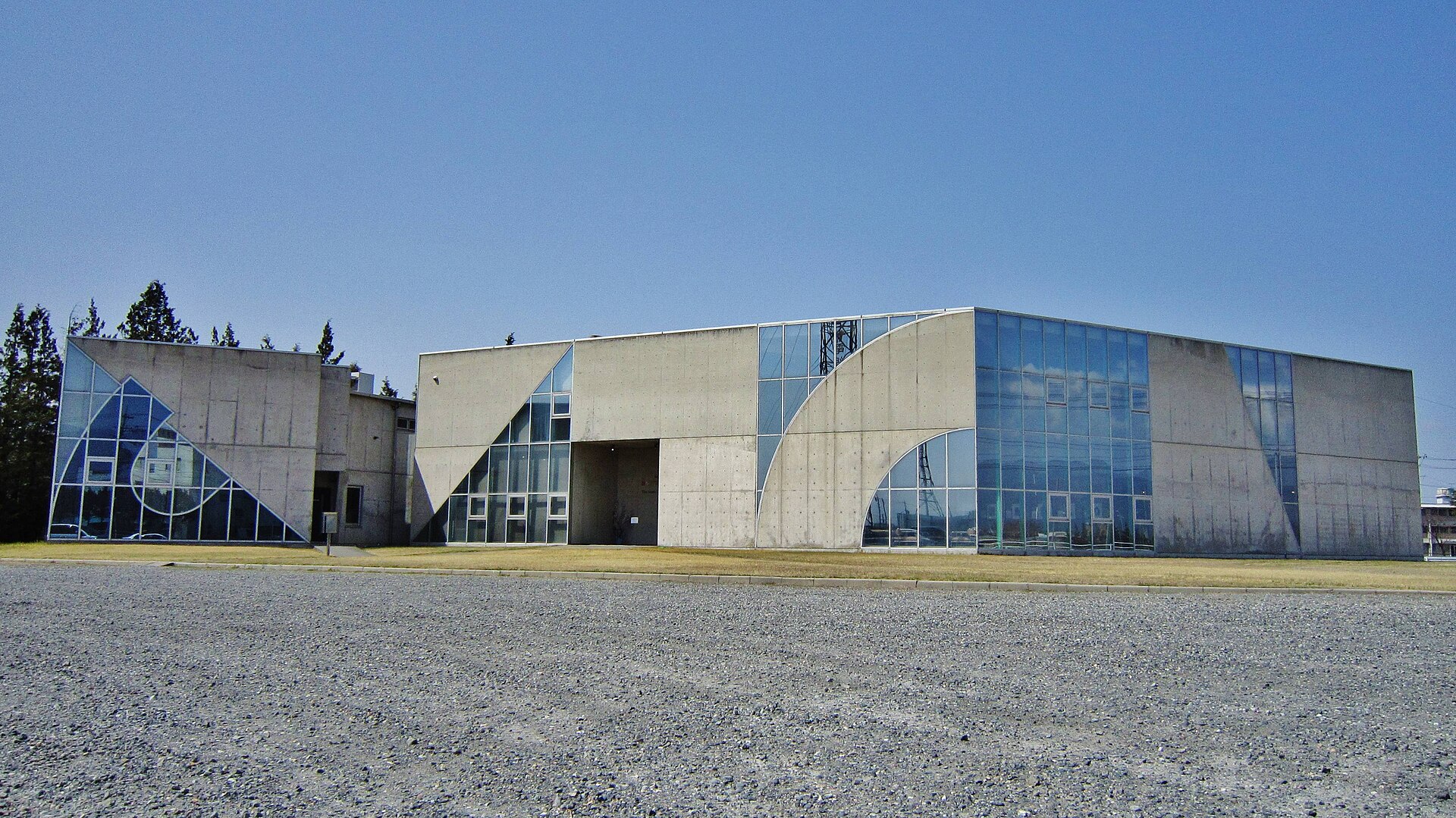
2011 museum exterior · prints not shownPhoto: Qurren · Wikimedia Commons · CC BY-SA 3.0 · Resized and cropped for display
Kawase Hasui and Yoshida Hiroshi turned travel sketches into landscape prints during the Taisho and Showa eras. At the Japan Ukiyo-e Museum, their representative series show how traditional woodblock techniques could create new impressions of mountains, cities and the sea. The exhibition has two phases, with every work replaced between them.
The first phase, 16 September–1 November, includes Hasui’s Night at Shinkawa from Twelve Tokyo Views and Taisho Pond at Kamikochi. Yoshida’s Glittering Sea from the Inland Sea series and Morning at Tsurugi from Twelve Scenes in the Japanese Alps offer a comparison between water, mountain forms and changing light. Takahashi Shotei’s Snow on the Ayase River is also assigned to this phase.
The second phase, 3 November–20 December, brings Hasui’s Zojoji Temple at Shiba and the Golden Hall at Chusonji, alongside Yoshida’s Breithorn and Evening after Rain. Ito Shinsui’s Hira from Eight Views of Omi belongs to this phase too. Follow how each artist translates a place into lines, colour and atmosphere; choosing a phase matters because none of the first-phase works stays on display for the second.
Official source noteAccess tipsGoogle Maps readyCheck before going
Venue
Japan Ukiyo-e Museum
Nearest station
Oniwa Station
Reservation
Not confirmed — check the official page
November 14, 2026 – November 15, 2026Upcoming
OVERHEAD FES
Both days: doors 11:00, start 12:00, end about 19:00. General tickets: 2 days¥12,000; 1-day adult¥7,000/high-school¥3,000. Up to 2 middle-school-age or younger children free per accompanying guardian. Early-bird sales ended; check ticket availability.
A two-day music option at Yamabiko Dome; this is separate from the MPAC halls undergoing construction.
Venue
I-net Yamabiko Dome, Shinshu Sky Park, 9036-4 Kukohigashi, Matsumoto
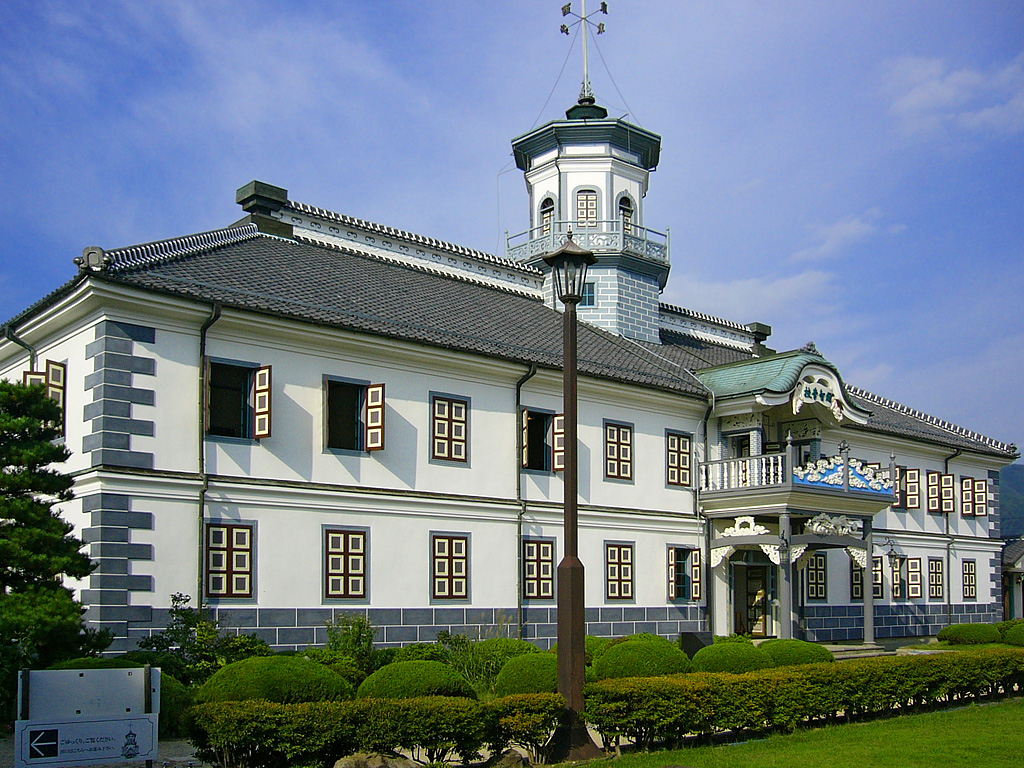
Matsumoto Castle and the Former Kaichi School are close enough to combine on foot within the same central outing. The school adds a different historical interest: its Meiji-era building mixes Japanese and Western architectural forms. Add it because that contrast interests you, rather than because both places appear on the North Course.
If the castle is your reason for visiting Matsumoto, give it the first share of your sightseeing time; decide on the school after allowing for the castle visit and your return.
If historic school architecture is your main interest, make Former Kaichi School the priority instead. Being nearby makes the two sites a possible pairing, not two compulsory visits.
Start at Matsumoto Station’s Castle Exit
Matsumoto Station is the main arrival hub. For a central-city visit, start at the Castle Exit (Oshiroguchi / East Exit), where Town Sneaker buses leave from the station forecourt. Matsumoto Bus Terminal is a separate boarding place on the first floor of Alpico Plaza across the street.
Check whether your timetable names the station forecourt or Matsumoto Bus Terminal before choosing where to wait.
The station’s tourist information counter can help you find a current walking map or clarify your next connection.
Recheck before commitment
Before extending the castle outing to Former Kaichi School, compare its current opening day and last admission with the time left before your return. The nearby walk is only the connection between two visits. If the school is closed or the extra visit leaves too little return time, finish in the castle area and head back toward Matsumoto Station.
The school’s interior tour uses stairs between floors. Taking a bus to the area reduces the approach walk but does not remove that on-site requirement; consider it when choosing the visit.
In rain or when energy is running low, drop the extra school stop before committing to another outdoor transfer. Keep the North Course or a confirmed taxi as an option for the station journey, with waiting time included.
Walk the station–castle core at your own pace
Walking is a reasonable default between Matsumoto Station and Matsumoto Castle for visitors comfortable with an urban walk. Make the castle your first anchor, then explore the surrounding central area before returning toward the station; allow extra time for stops and the visit itself.
Choose a bus or taxi when luggage, fatigue or weather makes the walk uncomfortable.
Keep a wider-area outing separate from this central walk; not every Matsumoto stop belongs to the station–castle core.
Choose the North Course for the castle area
The Town Sneaker North Course serves Matsumoto Castle and the Former Kaichi School. Board at stand 21 at the station’s Castle Exit; the castle stop is Matsumotojo-Shiyakushomae (Matsumoto Castle / City Hall). Check the direction and current timetable before boarding, since Town Sneaker has different courses.
For a short trip when bus waiting does not suit your group, consider a taxi. Both station exits have taxi stands; confirm availability and fare before relying on one.
On Town Sneaker, board through the rear door and leave through the front. Prepare the exact fare if paying in cash.
Keep one priority for the day
For a short castle-focused stop, keep the sequence simple: Matsumoto Station, the castle visit, then the station return. Former Kaichi School is the first extension to omit if only one visit fits. For a longer stay, the nearby pairing can offer both castle and school architecture without turning a wider-area outing into another stop on the same city walk.
Decide which visit matters most before leaving the station. If the school is your priority, reverse that choice rather than trying to squeeze both visits into the same limited time.
Before adding the second site, set aside the return journey and any luggage collection. If the remaining sightseeing time is too tight, leave the second visit for another day instead of cutting the onward-train buffer.
Plan the return before the last stop
Before adding another stop, check a North Course service back to Matsumoto Station or keep the central walking return as your fallback. Protect time for reaching the station and finding your rail platform; a bus ride estimate does not include waiting.
Use Matsumoto City’s current Town Sneaker timetable and Alpico’s Matsumoto operating notices; festival diversions and holiday schedules can change the plan.
If walking back no longer suits your group, arrange a taxi pickup before depending on it for your onward departure.
A city route anchor that keeps the day clear
Choose the main city decision first, then let current transport, weather and the return plan determine whether another stop fits.
Photo: 663highland/source/CC BY-SA 4.0/Displayed with crop and resize for layout; no other changes.
Castle first, Former Kaichi only when it still fits
Use the Castle Exit and central route for the castle priority. Add Former Kaichi School only after its current opening, facility conditions and the station-return margin still work.
Route
Matsumoto Station Castle Exit → Matsumoto Castle → optional Former Kaichi School → station return
Planning judgment
Drop the second visit before compressing the onward-train buffer; choose walking, the current North Course or a confirmed taxi for the central transfer.
Use the station–castle plan first, then check the issue that could remove the second stop: current opening, weather and mobility, or the return connection.
Autumn and winter items worth watching as route anchors. Published guides link to full visitor notes; planning-only leads still start from official sources.
RINGO MUSIC FEST 2026
Use the two-day date range as the fixed planning anchor. Recheck the organizer’s official access and status pages shortly before departure; live transport, ticket availability and operating conditions remain unverified.
Timing
September 26–27, 2026
Area
Matsumoto City Alps Park
Scheduled for September 26–27, 2026; recheck official status before travel.