MyJPTripJapan Event Trip Planner

City event guide

Back to map

First visit to Nagoya: choose a city focus before you widen the map

Start by deciding whether Nagoya Station or a central-city area is your practical anchor. Keep a city-core plan focused first, then decide separately whether an outside-of-Nagoya outing belongs in your trip. Recheck current official information before relying on details.

5 public eventsAichi名古屋
Nagoya Station buildings at dusk.

Photo: BaristonsourceCC BY 4.0Displayed with crop and resize for layout; no other changes.

October 17, 2026 – November 15, 2026Ongoing

Yattokame Cultural Festival DOORS 2026

17 Oct–15 Nov; separately scheduled performances, walks and cultural sessions across the city, not continuous admission.

Traditional performance and neighbourhood walks offer different ways into Nagoya's cultural history. Choose a specific session, location and application condition rather than treating the month-long range as a drop-in schedule.

Venue
Multiple programme venues within Nagoya city
October 8, 2026 – November 15, 2026Ongoing

Tokimeku Hako: The Art of Boxes

8 Oct–15 Nov, 10:00–17:00; last admission 16:30. Closed Mondays except 12 Oct; closed 13 Oct.

Look beyond decoration to how boxes protected, carried and recorded valued objects. The focus on containers makes this a different visit from the museum's general collection displays.

Venue
Tokugawa Art Museum, Nagoya
September 19, 2026 – November 29, 2026Cultural exhibitionsOngoing

Van Gogh's Drawbridge and the Impressionists — Nagoya

Nagoya City Art Museum brings together 70 paintings by 42 artists from Cologne’s Wallraf–Richartz Museum & Fondation Corboud. Six sections follow painting from Realism and the Barbizon school through Impressionism, Post-Impressionism and Pointillism to 20th-century colour. Van Gogh’s Drawbridge is part of this wider story of artists finding new ways to see and paint.

Begin with the contrast between Van Gogh’s 1885 painting of a farmhouse in Nuenen and his 1888 Drawbridge. Seeing the two within a larger exhibition lets you compare his work with different approaches to landscape, everyday subjects and colour, rather than treating the famous bridge as an isolated highlight. The selection also includes Manet’s bunch of asparagus, Monet’s fishing boats at Étretat, Cézanne’s still life with pears, Signac’s Capo di Noli and Matisse’s old mill in Corsica. Follow the six sections and compare how recognisable subjects are constructed through brushwork and colour. The sequence connects the painters who preceded Impressionism with those who developed different forms of expression after it. The published checklist contains 70 entries, although the museum notes that displayed works may change.

Official source noteAccess tipsGoogle Maps readyCheck before going
Venue
Nagoya City Art Museum, Shirakawa Park
Nearest station
Fushimi Station
Reservation
Not confirmed — check the official page
November 14, 2026 – November 15, 2026Upcoming

Endoji Autumn Paris Festival 2026

14–15 Nov, 11:00–18:00; free entry to the shopping-arcade festival.

French-style stalls and live music change the atmosphere of the arcade for two days. This is a street-market visit rather than a single performance with a fixed seated programme.

Venue
Endoji Shopping Arcade, Nagono1-chome, Nishi-ku, Nagoya
November 14, 2026 – November 29, 2026Upcoming

National Treasure Tale of Genji Scrolls: Yokobue and Yadorigi II

14–29 Nov, 10:00–17:00; last admission 16:30. Mondays closed except holidays, then the following weekday closes.

This short special display presents two named sections of the original Genji scrolls, not a year-round promise that all scrolls are on view. Match your museum date to this narrow viewing window.

Venue
Tokugawa Art Museum, Nagoya

Visitor planning notes

Start with Nagoya Station or one central-city area as a practical anchor, then decide what you want Nagoya itself to hold in your trip. Keep the city core focused first and treat an outside-of-Nagoya outing as a separate commitment. Recheck current official information before relying on details; this is planning support, not a statement about routes, times, fares, hours, prices, availability, or services.

Choose an arrival anchor, then a central focus

Nagoya Station is a major arrival and transfer hub for Shinkansen, other railways and city transport. Sakae is a separate commercial and sightseeing core, with Fushimi between it and the station area. Think in districts: use the subway as a practical starting choice between cores, then walk within your chosen area according to weather, luggage and mobility.

  • For Fushimi or Sakae from Nagoya Station, use the Higashiyama Line toward Fujigaoka. The stations run Nagoya, Fushimi, then Sakae; being in central Nagoya does not mean every stop is a comfortable walk away.
  • Osu and Kanayama share a tourism area label but are separate movement decisions. The Meijo Line connects Sakae, Kamimaezu for Osu, and Kanayama. From Fushimi, the Tsurumai Line serves Osu Kannon and Kamimaezu; choose the arrival station for your actual address.

Choose a city shape before adding more

For a short visit, cluster nearby places before adding another core. Walking can link southern Sakae and Osu when the exact endpoints, weather and your walking tolerance fit; use the subway if they do not. Finish nearby stops together, then move onward instead of returning to Nagoya Station after each one. An overnight stay can spread the areas across your visit without turning them into a required route.

  • Give Nagoya Castle its own travel and visit allowance. From Sakae, take the Meijo Line toward Hisaya-odori and Nagoyajo, then walk from Nagoyajo Station exit 7. From Nagoya Station, one option is the Higashiyama Line to Sakae and that transfer; the castle is not simply part of the station or Osu walking cluster.
  • The castle keep interior is currently closed. Usual grounds hours are 09:00–16:30; Honmaru Palace admission ends at 16:00 at the palace entrance, so allow time inside the grounds before that cutoff. Check the castle's current calendar and access notices before choosing your visit order.

Treat Outside of Nagoya as a separate commitment

Official Visit Nagoya planning categories distinguish central areas from Outside of Nagoya. That distinction is useful: keep a city-core plan coherent first, and add a separate outside-city outing only when it matches your own priorities.

  • Before leaving your final city area, check the return connection for your actual departure station or accommodation. For Nagoya Station from Sakae or Fushimi, the Higashiyama Line runs toward Takabata; from Osu, a Tsurumai Line connection at Fushimi is one option. Check direction signs and current service information.
  • For an onward train or a separate outside-city outing, work backward from its departure and leave room for the walk to the subway, waiting, transfers, luggage collection and finding the correct railway concourse. A short subway ride alone is not the full connection time; shorten the city plan if that buffer does not fit.

A city route anchor that keeps the day clear

Choose the main city decision first, then let current transport, weather and the return plan determine whether another stop fits.

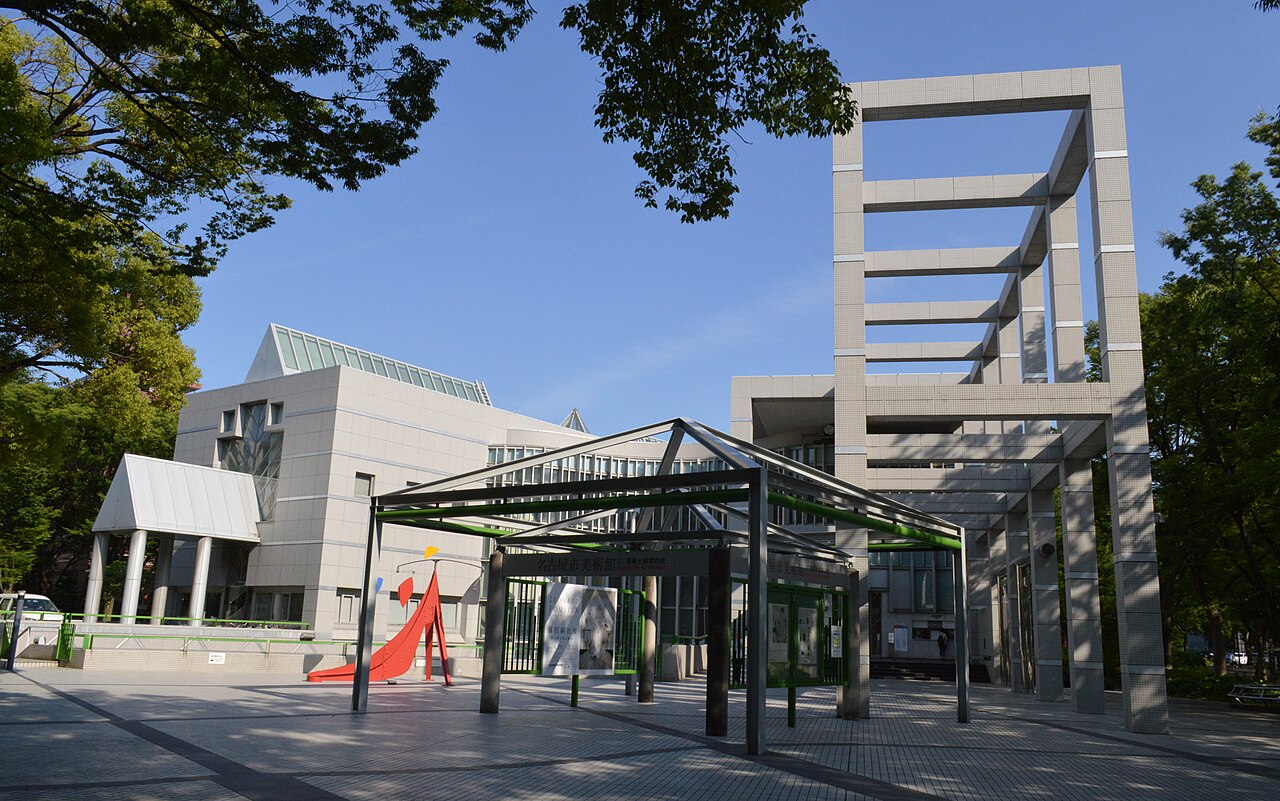
The facade and entrance of Nagoya City Art Museum in Shirakawa Park.

Photo: Asturio CantabriosourceCC BY-SA 4.0Displayed with crop and resize for layout; no other changes.

Fushimi and Shirakawa Park as a distinct central choice

Treat Fushimi and the Shirakawa Park museum area as a separate central focus from Nagoya Station and Sakae. The museum image identifies this route context; it does not promise current admission, exhibition access or accessibility.

Route
Nagoya Station → Fushimi → Shirakawa Park / Nagoya City Art Museum area
Planning judgment
Choose this cluster only after checking the facility you intend to visit and the return connection from the actual station or entrance.

Half-day logic

Route pairings

Central-district route

Nagoya Station → Fushimi or Sakae → optional Osu

Use whenUse this when one central cluster is the priority and you can choose subway or walking between the exact endpoints.

Castle as a separate branch

Sakae → Nagoyajo Station → castle grounds → return to the chosen core

Use whenUse this only after the castle's current access and visit window fit the day; do not treat it as part of the Osu walking cluster.

Pick a planning mode

Traveler scenarios

Starting at Nagoya Station

Use the station as an arrival anchor, then choose a central area you actually want to focus on rather than treating every named area as one route.

Arrival anchor and first city focus

Shaping a flexible Nagoya stay

Choose whether Nagoya is a focused urban stop, a flexible city day, or an overnight/base decision in your wider trip. This is a planning mode, not a duration promise.

City shape before detail

Considering an outside-city outing

Keep the city core as one clear plan, then decide separately whether an Outside of Nagoya commitment fits it.

Separate commitment

City event checklist

Before you go

  • Choose the first district

    Use Nagoya Station as the arrival anchor, then choose Fushimi, Sakae, Osu or the castle branch instead of treating them as one walk.

  • Match the subway line

    Check the line, direction and station for the district you actually chose.

  • Keep the castle separate

    Recheck the castle's current calendar and access before adding its travel and visit allowance.

  • Protect the return

    Work backward from the onward train and include walking, waiting, transfers, luggage and station movement.

  • Separate the outside-city outing

    Add an Outside of Nagoya commitment only after the city-core plan and its return margin are secure.

Planning guides

Use the next planning question that fits the trip you are building.

Decision support for a Nagoya city day

Choose Nagoya Station or one central district first. For a linked October or November 2026 programme, select the exact date, venue and session before using the planning guides for access, luggage, mobility or the return.