The Tale of Genji: Radiant Culture of the Japanese Imperial Court
Kyoto National Museum’s 2026 special exhibition traces how The Tale of Genji shaped manuscripts, painting, decorative arts, textiles and performing traditions across centuries. The travelling project is planned around approximately 250 cultural properties across its venues; for Kyoto, the museum’s dated object list is the guide to what is actually on view on each visit date.
Travel action
Open the route before you go
Use Google Maps as the final navigation check. Event areas, crowd controls, and station exits can change on the day.Event area
Check the venue or main event area and save it before leaving your hotel.
Nearest station
Check the station-side approach and keep one backup return route.
Photos
Photos and place context
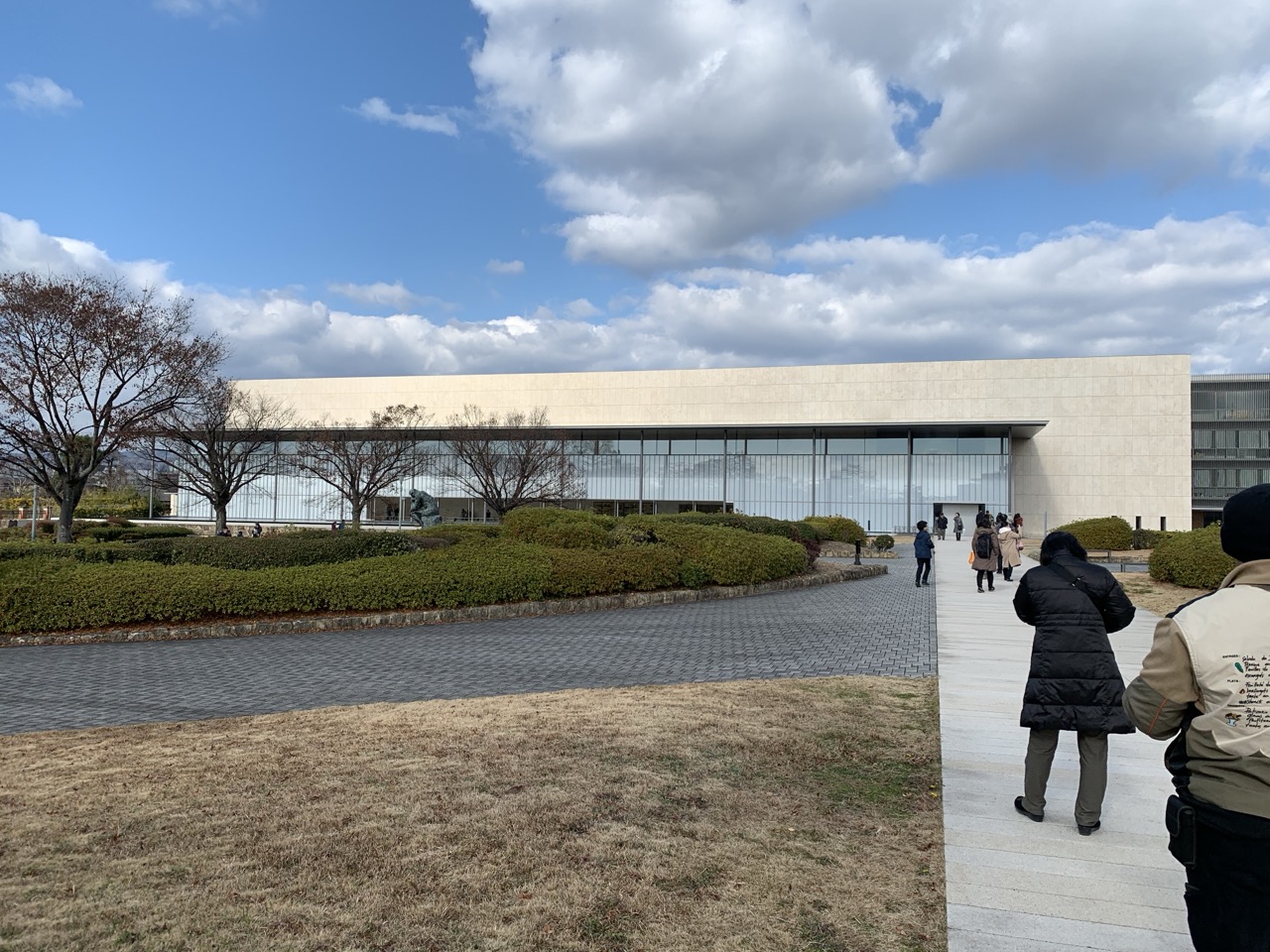
Kyoto National Museum’s Heisei Chishinkan wing, photographed in 2020; venue context only, not a photograph of the 2026 Tale of Genji installation or any exhibited object.
Photo: Chainwit.sourceCC BY 4.0Proportionally resized and re-encoded from 4032×3024 to 1280×960 using macOS sips -Z 1280; no crop, upscale or other intentional visual edits.
Visitor verdict
Choose your date around the work you most want to see. The National Treasure Tale of Genji Scroll shows Hashihime from 3–15 November and Yadorigi III from 17–29 November. The Teika manuscript Wakamurasaki is shown throughout, while all five surviving Teika Genji volumes appear together only from 3–15 November. Part I, 6 October–1 November, includes the Wakamurasaki leaf from an Important Cultural Property album, a portrait of Murasaki Shikibu and the Sekiya/Miotsukushi screens. Part II, 3–29 November, includes a pale-blue kosode. The Hatsune trousseau Uji incense box and Uji Princesses are listed throughout. This is a strong reason to plan a Kyoto museum visit by date rather than by the exhibition title alone. Some objects rotate within the two broad parts, and the museum may change works or display periods, so check the current Kyoto object list before travelling.
Visitor friendliness
5 means easier and more rewarding for first-time visitors.
- Language friendliness
- Not scored
- Reservation ease
- Not scored
- Transport ease
- Not scored
- Crowd comfort
- Not scored
- Rain resilience
- Not scored
Practical information
- Reservation
- Reservation is usually not required
- Tickets / booking
- General admission does not require a timed reservation. Same-day admission is ¥2,200 for adults, ¥1,200 for university students and ¥700 for high-school students; advance and group rates are ¥2,000, ¥1,000 and ¥500. Advance sales run from 6 August through 5 October, and group rates apply to groups of 20 or more. Students should bring ID. Junior-high students and younger visitors aged 0–15 enter free, as do visitors with an eligible disability certificate and one caregiver. Check the official ticket page for campus-member and programme-specific conditions.
- Price note
- Same-day ¥2,200 adults, ¥1,200 university students and ¥700 high-school students; advance/group ¥2,000, ¥1,000 and ¥500. Junior-high students and younger visitors aged 0–15 are free. Eligible disabled visitors and one caregiver are free with documentation. The rental audio guide is ¥700 in Japanese or English; the ¥800 app guide is Japanese only.
- Access
- From Keihan Shichijo Station, Kyoto National Museum is about seven minutes on foot. From Kyoto Station, the museum lists city buses 206 and 208 to Hakubutsukan Sanjusangendo-mae, where the museum is immediately beside the stop; the Princess Line reaches Higashiyama Shichijo, about one minute away on foot. Walking from Kyoto Station takes about 20 minutes. Confirm live transit information before departure.
- Rain
- The exhibition is indoors, so rain mainly affects the approach to the museum and any outdoor sightseeing you add. Check live museum and transport notices before setting out.
- Crowds
- The official sources do not publish a crowd forecast. Short rotations such as the 3–15 November group display can concentrate interest, so allow time before the final admission deadline and avoid building a tight connection after the visit.
Recommended for
Readers of The Tale of Genji, visitors interested in manuscripts and Japanese art, and travellers willing to choose a date around a specific loan or display window. The museum publishes English exhibition information, and its rental audio guide is available in Japanese and English.
Not recommended for
A poor fit for visitors who need every highlighted work to be on view on one day, or who expect all programmes to be available in English. Workshops and lectures are listed in Japanese, and several major works have short display windows.
Nearby / itinerary
- Nearby spots
- If you add sightseeing in the Higashiyama and Shichijo area, keep the museum as the fixed anchor. The object rotation you selected and the museum’s last-entry time matter more than fitting in an extra stop.
- Itinerary hint
- First choose the exact object window, then decide whether to visit during regular hours or use a Friday opening until 20:00. Arrive with enough time for the galleries before last entry, and place any nearby stop before or after the museum without risking the work-specific visit.
Source and updates
- Primary source
- Kyoto National Museum / Special Exhibition official site
- Event verified
- Sep 25, 2026
- Source checked
- Sep 25, 2026
Details can change after publication. Always confirm dates, tickets, access, and cancellation notices with the official source before you go.