Hideyoshi's Remaking of Kyoto
At Kyoto City Archaeological Museum, excavated objects, maps and photographs explain how Toyotomi Hideyoshi changed Kyoto in little more than a decade. Castles, new roads, temple districts and earthworks reveal a city repeatedly reshaped, rather than an ancient street plan left untouched.
Travel action
Open the route before you go
Use Google Maps as the final navigation check. Event areas, crowd controls, and station exits can change on the day.Event area
Check the venue or main event area and save it before leaving your hotel.
Nearest station
Check the station-side approach and keep one backup return route.
Photos
Photos and place context
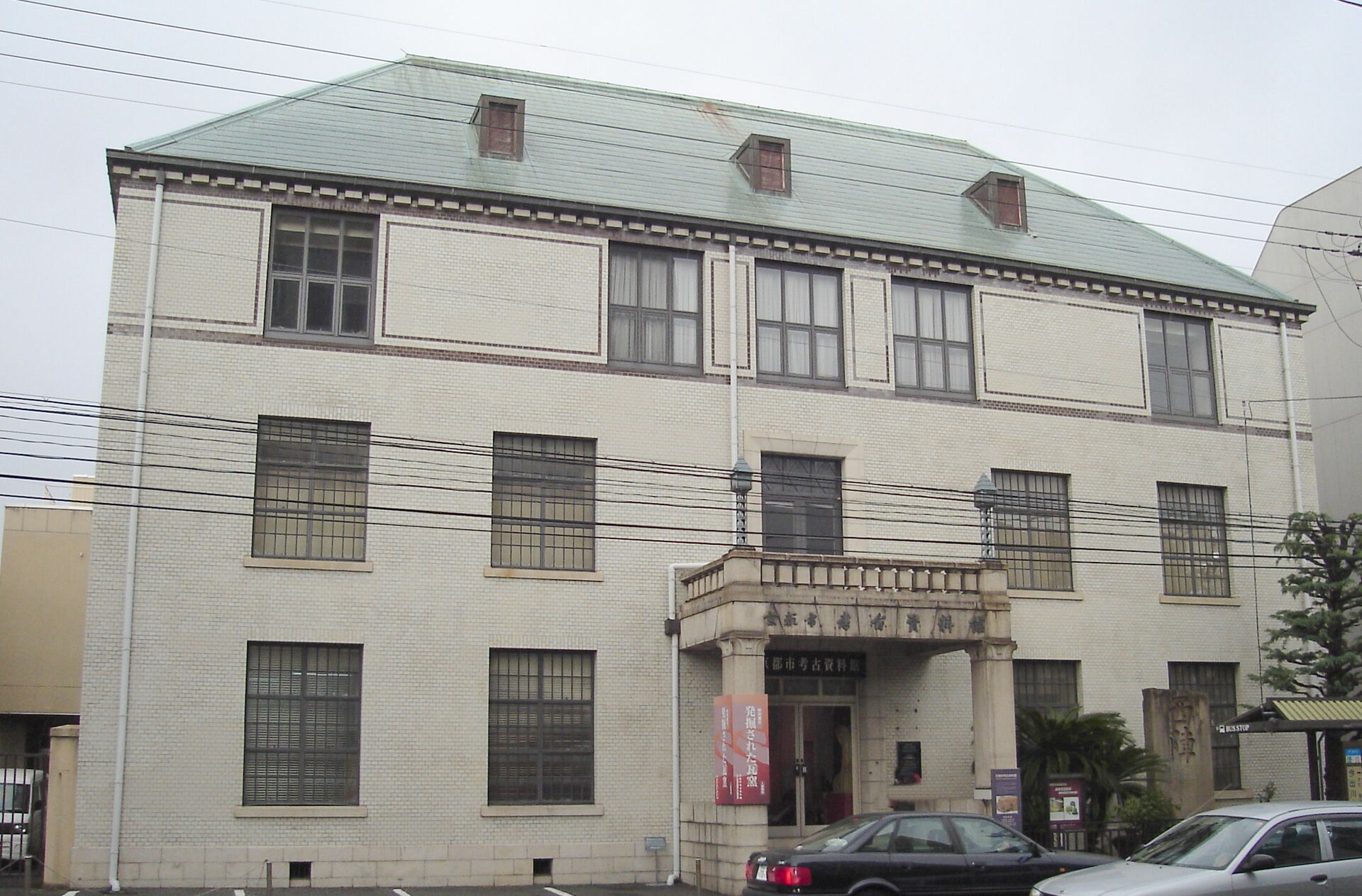
Kyoto City Archaeological Museum, photographed on 3 December 2005. Historical venue context only; the entrance banner and street scene do not show the 2026 Hideyoshi exhibition. Photo title: “KyotoArchaeologicalMuseum.jpg”. Wikimedia Commons resized this version; no further edits.
Photo: PlusMinussourceCC BY-SA 3.0
Visitor verdict
The exhibition follows six themes: Kyoto before Hideyoshi; Myokenji Castle and Jurakudai; the Tensho-era land divisions, Teramachi, Odoi earthworks, Kyoto Shinjo and the court-noble district; Fushimi and Yodo castles; Hokoji’s Great Buddha; and tea ceramics excavated in Kyoto. This range links political projects to changes in the streets and objects of everyday urban life. A particular highlight is the gold-leaf roof tiles from Fushimi Castle excavated at Toryo Junior High School. Alongside the artifacts, excavation photographs and historical map panels help relate fragments to places. The introduction also shows an excavation photograph of Shigetsu Fushimi Castle’s stone wall: viewing it as archaeological evidence helps connect a vanished complex with what survives below ground.
Visitor friendliness
5 means easier and more rewarding for first-time visitors.
- Language friendliness
- Not scored
- Reservation ease
- Not scored
- Transport ease
- Not scored
- Crowd comfort
- Not scored
- Rain resilience
- Not scored
Practical information
- Reservation
- Not confirmed
- Tickets / booking
- Ordinary exhibition admission is free. Related lectures and curator explanations are separate, advance-booked activities at ¥1,000 per person; archaeological walks cost ¥2,000. The museum currently marks every remaining related programme full. Plan a self-guided exhibition visit unless the museum later confirms a change in availability.
- Price note
- Ordinary exhibition free. Related lectures/curator explanations ¥1,000 and walks ¥2,000; all remaining sessions are currently full.
- Access
- Go to Kyoto City Archaeological Museum at 265-1 Motoisacho, Imadegawa-dori Omiya-higashiiru, Kamigyo-ku. The special exhibition uses the first-floor display area and an under-stairs case. Imadegawa-Omiya city-bus stop is directly outside. From Horikawa-Imadegawa, walk west for two minutes to the museum. City bus 9 connects Kyoto Station and Nijojo-mae with Horikawa-Imadegawa. Last entry is 16:30.
- Rain
- The objects, maps and photographs are displayed indoors. You can put the museum before an outdoor walk and leave the street exploration for better weather. Severe-weather notices can affect museum opening, so consult the museum’s current announcement before travelling during a weather alert.
- Crowds
- Currently full: lectures on 27 September, 11 October and 3 November; the curator explanation on 24 October; and archaeological walks on 25 September and 17 October. Lectures have 30 places, curator explanations 10 and walks 15. Their original application periods do not mean places remain available. For any later availability change, use the museum’s current exhibition notice or call 075-432-3245.
Recommended for
Visitors interested in archaeology, castles, historic maps and city planning. It suits a Kyoto trip with time to look closely at fragments and compare them with mapped locations, especially if you want to understand how the present streets emerged.
Not recommended for
Choose an ordinary visit for the exhibition itself. If you specifically want a guided explanation, lecture or organized archaeological walk, all remaining related sessions are currently marked full; a museum visit does not secure a place in one.
Nearby / itinerary
- Nearby spots
- Jurakudai is one of the exhibition’s main subjects. After comparing the historical maps and excavation evidence, an independent walk can help connect that former castle district with today’s streets. This is separate from the museum’s organized Jurakudai walk, which is currently full.
- Itinerary hint
- Begin with Kyoto before Hideyoshi, then follow the new castles and changes to roads, temple districts and boundaries. Finish with the excavated tea ceramics to bring the focus back to objects used in the city. Choose an open day and arrive before 16:30; holiday Mondays open, with the following weekday closed. Use the Archaeological Museum’s exhibition notice for programme status and its access page for the journey. This exhibition is at the Archaeological Museum, not the similarly themed show at Kyoto City Historical Materials Museum.
Source and updates
- Primary source
- Kyoto City Archaeological Museum / Kyoto City Archaeological Research Institute / Kyoto City
- Event verified
- Sep 18, 2026
- Source checked
- Sep 18, 2026
Details can change after publication. Always confirm dates, tickets, access, and cancellation notices with the official source before you go.