Kanei Imperial Visit: Culture of the Capital
Four centuries after Emperor Go-Mizunoo’s 1626 visit to Nijo Castle, Sen-oku Hakukokan examines the ceremony and the culture that grew around it. The exhibition follows Empress Tofukumonin, a daughter of the Tokugawa family, through the exchanges that connected Kyoto’s imperial court, warrior households and artists during the Kanei era.
Travel action
Open the route before you go
Use Google Maps as the final navigation check. Event areas, crowd controls, and station exits can change on the day.Event area
Check the venue or main event area and save it before leaving your hotel.
Nearest station
Check the station-side approach and keep one backup return route.
Photos
Photos and place context
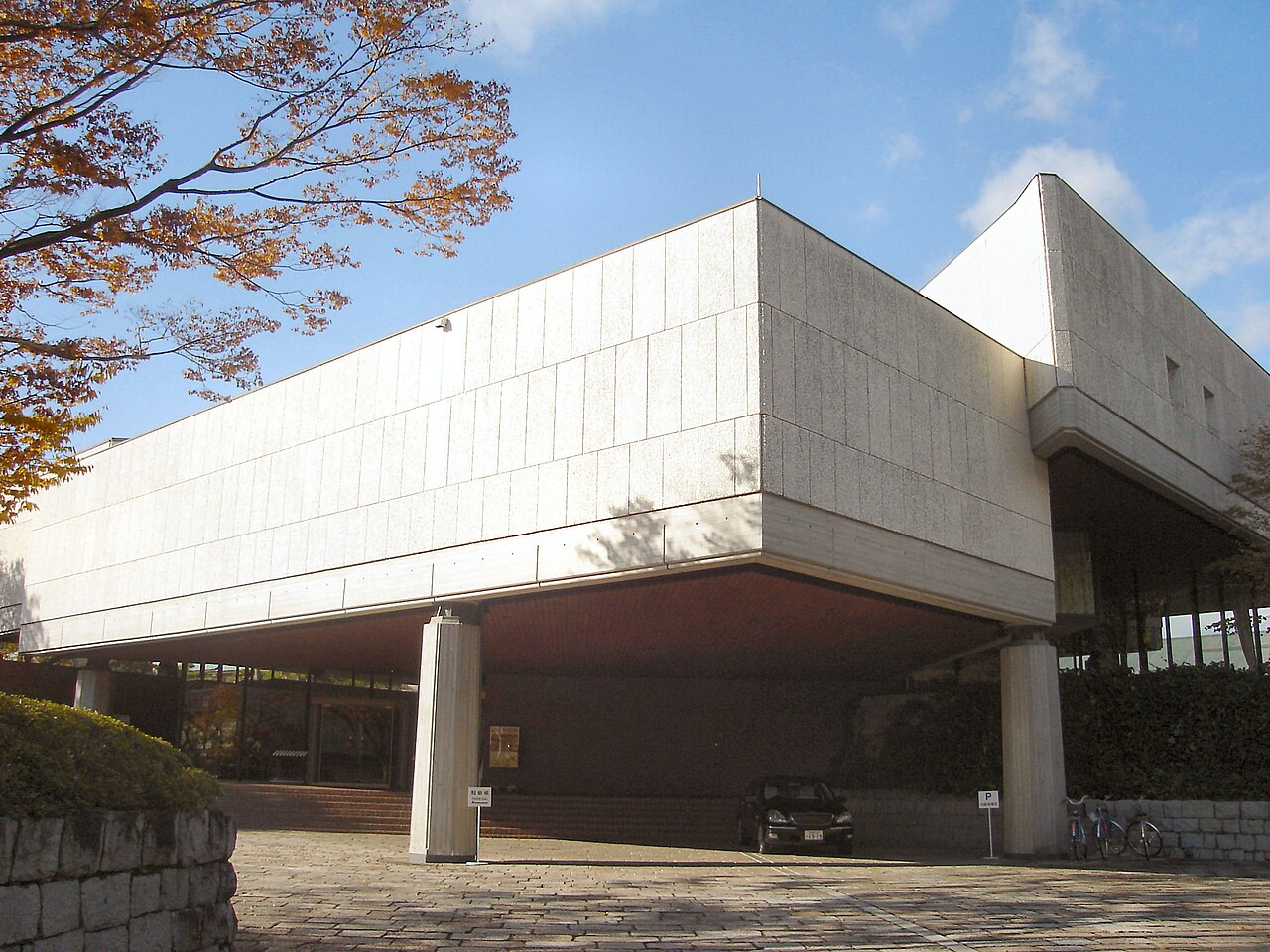
Sen-oku Hakukokan Museum in Kyoto, photographed in November 2005, before the 2025 renovation. Historical venue exterior, not the 2026 exhibition or its current entrance arrangements. Photo title: “SenokuHakkoKan.jpg”. Wikimedia Commons resized this version; no further edits.
Photo: PlusMinussourceCC BY-SA 3.0
Visitor verdict
The museum’s Nijo Castle imperial-visit screen anchors the exhibition, turning a grand historical procession into a closely observed scene of people and ceremony. Court costumes and furnishings associated with Tofukumonin bring another scale to the story, while the oshie pictures she helped make as gifts reveal more personal artistic relationships. The people around her included Emperor Go-Mizunoo, tea master Sen Sotan, calligrapher and painter Shokado Shojo, Kobori Enshu and potter Nonomura Ninsei. Looking across their networks gives the screens and objects a human context: court culture developed through exchanges that crossed rank and profession.
Visitor friendliness
5 means easier and more rewarding for first-time visitors.
- Language friendliness
- Not scored
- Reservation ease
- Not scored
- Transport ease
- Not scored
- Crowd comfort
- Not scored
- Rain resilience
- Not scored
Practical information
- Reservation
- Reservation is usually not required
- Tickets / booking
- Counter admission is ¥1,200 for adults and ¥800 for students; during the run, online tickets are ¥1,100 and ¥700 respectively. Visitors aged 18 or under enter free; students and younger visitors must bring proof. Disability-handbook holders and one companion enter free. Admission also covers the Bronze Gallery. Ordinary online tickets are not date-and-time reservations. Advance and two-museum set-ticket sales ended on 4 September.
- Price note
- Counter: adults ¥1,200 / students ¥800. Online during the run: ¥1,100 / ¥700. Age 18 and under free with proof. Includes the Bronze Gallery.
- Access
- The museum is in Shishigatani, eastern Kyoto. City bus 32 stops at Miyanomaecho beside the museum; bus 105 uses the same stop on weekends and holidays only. Bus 5, 93, 203 or 204 stops at Higashitennocho, about 200 metres west of the museum. From Keage Station on the Tozai subway line, allow about 20 minutes on foot.
- Rain
- The exhibitions are indoors. For a rainy-day visit, the Miyanomaecho bus approach reduces the outdoor walk compared with arriving on foot from Keage; the 105 service is limited to weekends and holidays.
- Crowds
- The related lectures have separate reservation and capacity rules, and all require that day’s exhibition admission. An ordinary exhibition ticket does not secure a lecture place. Use the museum’s exhibition page to check the chosen talk’s booking conditions and any programme changes before building the day around it.
Recommended for
This is a focused choice for visitors drawn to early-Edo Kyoto, painted screens, court dress and the connection between ceremony and art. It can add historical context to a stay in the city, particularly if you are interested in the lives behind its temples and palaces.
Not recommended for
This is a museum exhibition about a historical imperial visit. It does not offer a live procession or a costume-participation experience.
Nearby / itinerary
- Nearby spots
- Nearby Kounji is associated with Tofukumonin, providing a geographical link to the exhibition’s subject. Any temple visit has its own opening and access arrangements; museum admission does not include it.
- Itinerary hint
- Visit the special exhibition first, then use the same ticket for the Bronze Gallery if time allows. Arrange any surrounding walk around the museum’s 16:30 last entry. Pay particular attention to 24 September and 13 October, when the museum is closed despite the exhibition still being within its run.
Source and updates
- Event verified
- Sep 18, 2026
- Source checked
- Sep 18, 2026
Details can change after publication. Always confirm dates, tickets, access, and cancellation notices with the official source before you go.