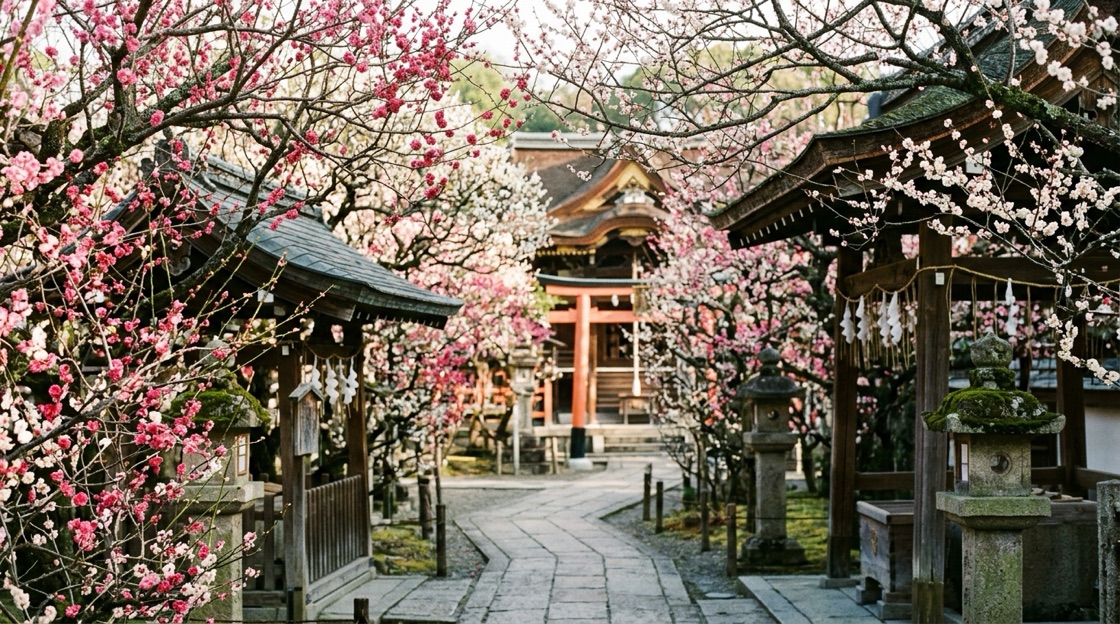
Kyoto Yoshida Shrine Setsubun Festival 2027
Kyoto's grandest traditional Setsubun festival (Feb 2–4, 2027) at Yoshida Shrine near Kyoto University, featuring the ancient Tsuina-shiki demon-expelling rite (Feb 2), roughly 800 lively street stalls, and the roaring 23:00 Karo-sai bonfire (Feb 3).
Travel action
Open the route before you go
Use Google Maps or Apple Maps as the final navigation check. Event areas, crowd controls, and station exits can change on the day.Event area
Check the venue or main event area and save it before leaving your hotel.
Nearest station
Check the station-side approach and keep one backup return route.
Station-to-venue transit
Preview public transit transfers, walking exits, and last-train options in advance.
Photos
Photos and place context
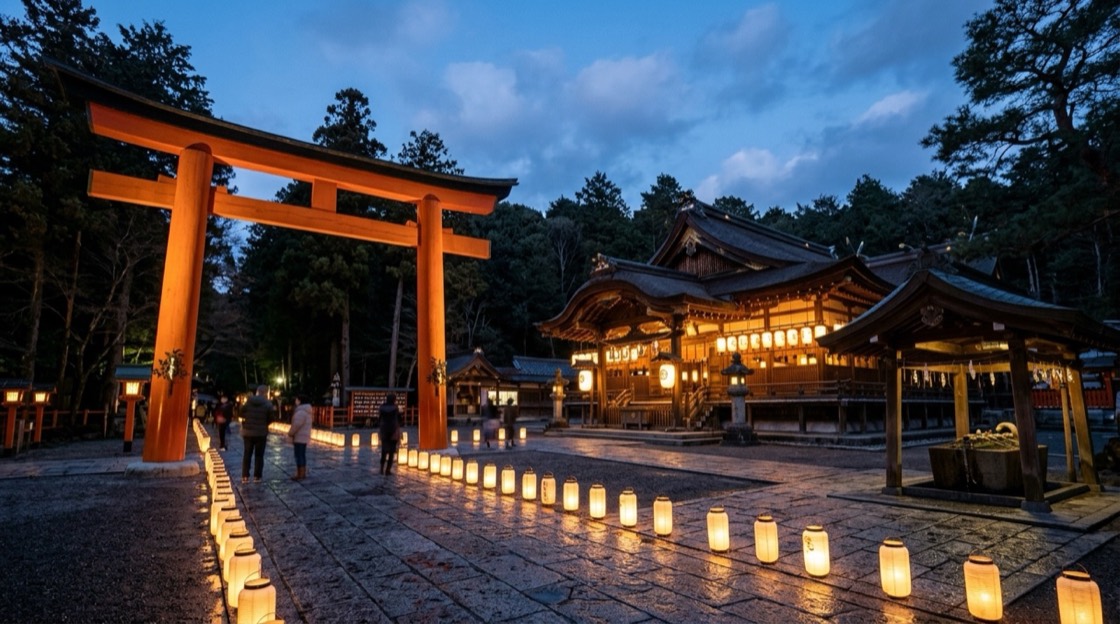
Editorial winter evening view capturing Kyoto's lantern-lit shrine atmosphere during February Setsubun rituals.
Photo: MyJPTrip EditorialSite-owned editorial visual
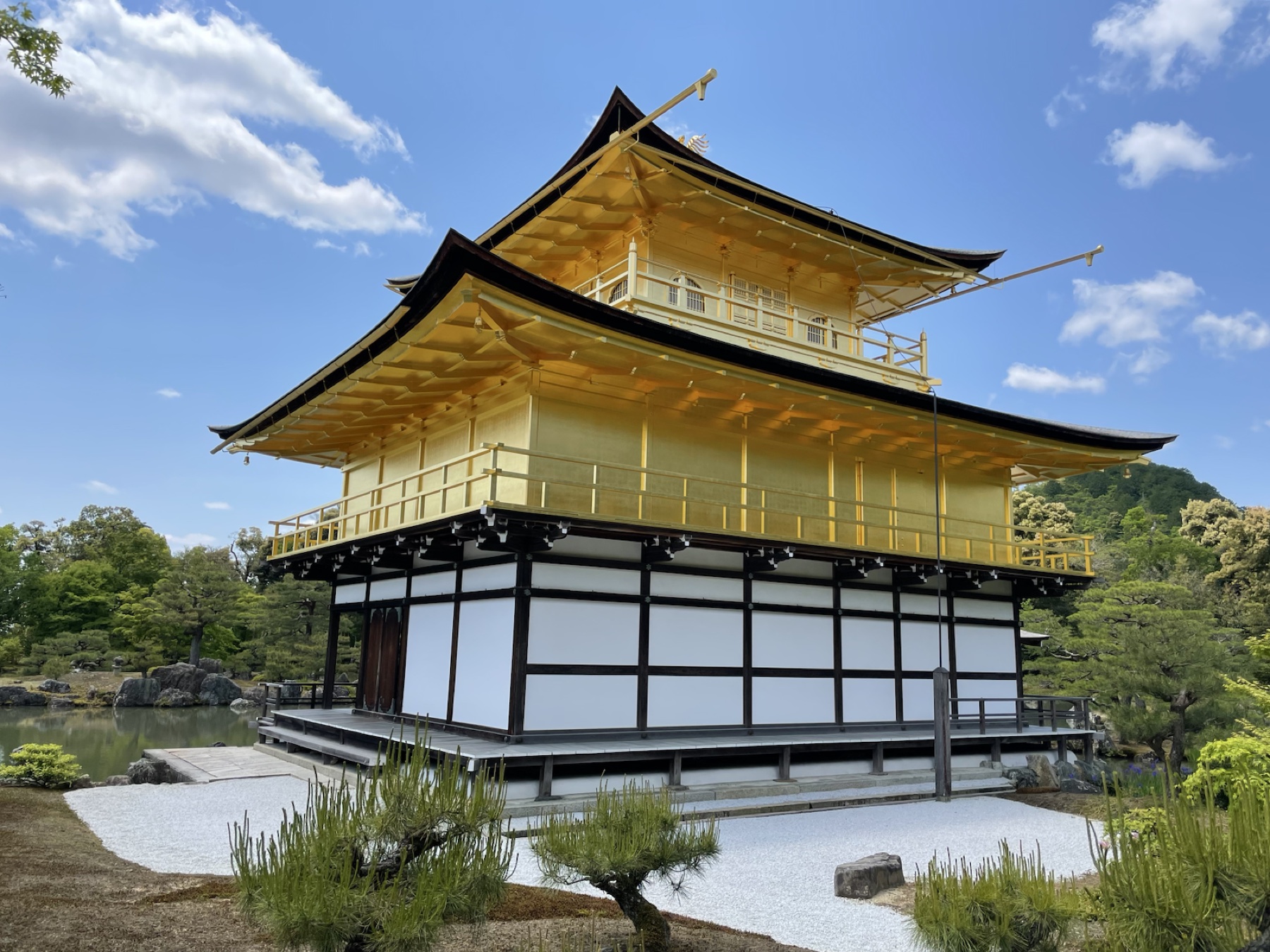
Site-owner Kyoto photo illustrating daytime temple sightseeing before heading to Yoshida Hill for the evening festival stalls.
Photo: MyJPTrip EditorialSite-owned editorial visual
Trip practicals
Access and exit tips
Conservative planning notes for arrival, crowd flow, return routes, and what to verify before you go.
Walk from Keihan Demachiyanagi Station instead of buses
City buses along Higashioji-dori crawl during peak Setsubun evenings. Riding the Keihan Line to Demachiyanagi Station and walking 18–20 minutes east past Kyoto University is far more predictable.
Check your last train if attending 23:00 Karo-sai
The bonfire peaks between 23:00 and 23:40, right around Kyoto's final Keihan and subway departure times. Confirm your exact last-train minute or plan a taxi/walking route back toward central Kyoto before committing to the midnight rite.
Wear grippy flat shoes for stone shrine steps
The hillside shrine approach involves dimly lit stone staircases that grow crowded after dark—sturdy walking shoes are far safer than dress boots.
Plan Kyoto winter culture & late-night returns
Pair Yoshida Shrine Setsubun with our Kyoto city guide and last-train event exit handbook.
Trip planning notes
- Know the difference between Feb 2, 3, and 4
- February 2 hosts the ancient Tsuina-shiki demon-expelling ritual at 18:00; February 3 features the famous 800-stall lantern market all day and the towering Karo-sai talisman bonfire at 23:00; February 4 closes quietly with the morning lucky-draw and closing rite.
- Prepare for freezing Kyoto valley cold
- Yoshida Hill gets sharply cold after sunset (often 0–3°C). Wear thermal base layers, thick socks, warm gloves, and disposable pocket warmers (kairo) if staying outdoors for the 23:00 Karo-sai bonfire.
- Carry cash for street stalls & lucky fortune beans
- Hundreds of food stalls along Higashioji-dori and the shrine approach—as well as Yoshida Shrine's lucky Fukumame bean packets—operate almost exclusively in cash.
Visitor verdict
One of the most vivid, uncommercialized winter festivals in Japan—combining centuries-old Heian-era rituals, hundreds of warming street-food stalls, and Kyoto's dramatic midnight bonfire on Setsubun night.
Practical information
- Reservation
- Reservation is usually not required
- Tickets / booking
- Free shrine admission for all rituals and market lanes. Optional Setsubun lottery bean packs (fukumame) and food stalls are paid in cash—bring plenty of ¥100 and ¥500 coins and ¥1,000 notes.
- Price note
- Free shrine entry (bring cash for food stalls & lucky bean packs)
- Access
- Walk 20 minutes east from Keihan Demachiyanagi Station, or ride Kyoto City Bus (routes #206, #201, or #31) to Kyodai Seimon-mae (Kyoto University Main Gate), then walk 5 minutes into the stall-lined shrine approach. Note that buses slow down sharply on Feb 2–3 evenings; walking from Demachiyanagi is often faster.
- Rain
- Core shrine rituals proceed in winter rain or snow, though street stalls thin out in heavy downpours. Wear waterproof winter footwear and warm layers, as standing outdoors at the 23:00 Karo-sai bonfire drops close to freezing.
- Crowds
- February 2 evening (Tsuina-shiki demon-expelling ceremony at 18:00) and February 3 from 17:00 through the 23:00 Karo-sai bonfire are peak crowd windows. Arrive 45–60 minutes before Tsuina-shiki or Karo-sai for clear sightlines; February 3 late morning offers a calmer look at the 800 stalls.
Recommended for
Winter Kyoto visitors who want authentic local festival energy beyond temple sightseeing; culture and photography enthusiasts; travelers comfortable with brisk evening air and lively festival lanes.
Not recommended for
Travelers looking for a quick 20-minute stop in the middle of peak evening crowds—approach roads are narrow and festive, so plan a relaxed 2–3 hour evening block.
Nearby / itinerary
- Nearby spots
- Pair with the Philosopher's Path, Ginkaku-ji (Silver Pavilion), or Yasaka Shrine's daytime geiko and maiko Setsubun dance offerings in Gion (Feb 2–3) for an unforgettable two-shrine Setsubun day.
- Itinerary hint
- On Feb 3, catch Yasaka Shrine's afternoon maiko bean-throwing in Gion, head north to Yoshida Shrine around 17:00 to eat your way through the 800 lantern-lit stalls, and either finish by 20:00 or stay through the dramatic 23:00 Karo-sai talisman bonfire (confirm your last train/taxi plan back to central Kyoto).
Source and updates
- Official URL
- https://www.yoshidajinja.com/setubunsai.htm
- Primary source
- Yoshida Shrine
- Event verified
- Nov 27, 2026
- Source checked
- Nov 27, 2026
Details can change after publication. Always confirm dates, tickets, access, and cancellation notices with the official source before you go.