New Discoveries: Naniwa Archaeology 2026
New Discoveries: Naniwa Archaeology 2026 brings about 150 objects to the Osaka Museum of History’s eighth-floor feature gallery. Finds mainly from fiscal 2024–25 excavations trace the city from early settlements through Naniwa Palace, Toyotomi Osaka Castle and Edo-period metalworking.
Travel action
Open the route before you go
Use Google Maps as the final navigation check. Event areas, crowd controls, and station exits can change on the day.Event area
Check the venue or main event area and save it before leaving your hotel.
Nearest station
Check the station-side approach and keep one backup return route.
Photos
Photos and place context
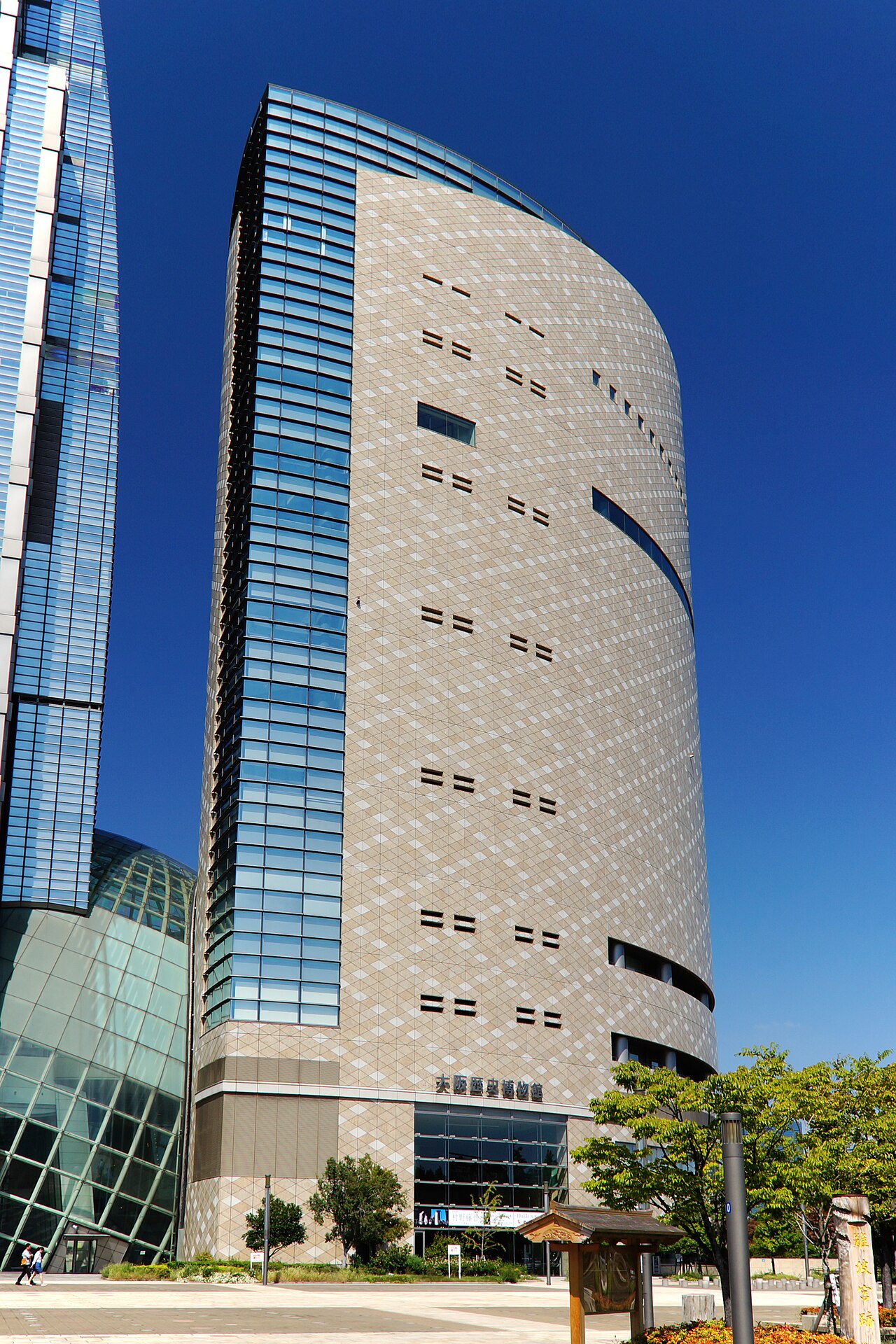
Osaka Museum of History, photographed in September 2014. The 2026 archaeology feature is on the eighth floor; this venue photograph does not show its excavated objects or current gallery displays. Photo title: “140923 Osaka Museum of History Osaka Japan01s3.jpg”. Wikimedia Commons resized this version; no further edits.
Visitor verdict
Start with jars from Nagahara: their bases grow rounder across the late Yayoi to early Kofun sequence, and soot suggests cooking use. Compare them with eighth-century Naniwa Palace tiles, including an eaves tile with three concentric rings, then with fragments of gold-leaf tiles from Toyotomi Osaka Castle. Small handled crucibles from the later castle town carry metal residue; comparison with nearby finds suggests possible brass casting, rather than a confirmed identification. These objects make the layers under modern Osaka tangible, from household routines to palace building and urban craft.
Visitor friendliness
5 means easier and more rewarding for first-time visitors.
- Language friendliness
- Not scored
- Reservation ease
- Not scored
- Transport ease
- Not scored
- Crowd comfort
- Not scored
- Rain resilience
- Not scored
Practical information
- Reservation
- Not confirmed
- Tickets / booking
- The exhibition is included in permanent-gallery admission: adults ¥600; high-school/university students ¥400; junior-high students and younger free. Students should bring proof of status. The 25 October lecture is separate: ¥1,000, 13:30–16:15, check-in from 13:00 at the fourth-floor auditorium. It has 250 first-come places and requires advance online registration by 24 October at 23:59; the published capacity is not a statement of remaining availability.
- Price note
- Included in permanent-gallery admission: adults ¥600; high-school/university students ¥400; junior-high students and younger free. The 25 October lecture costs ¥1,000 separately and requires advance registration.
- Access
- The museum is at 4-1-32 Otemae, southwest of Osaka Castle Park and next to NHK Osaka. Tanimachi 4-chome Station’s Chuo Line exit 9 is immediately nearby; from Tanimachi Line exit 2, walk about 300 metres east. The exhibition is on the eighth floor; the separate lecture uses the fourth-floor auditorium.
- Rain
- The exhibition is indoors, making it a practical museum stop when weather limits a castle-park walk. The Chuo Line exit 9 approach is the museum’s shortest published station route.
- Crowds
- Curator explanations are scheduled on 26 September, 3 October and 7 November at 14:00, lasting about 30 minutes in the eighth-floor feature gallery. No advance booking or extra fee is required, but permanent-gallery admission is needed. The 15 November workshop has reached capacity. For a lecture-centred visit, confirm the actual booking status through the museum’s linked ticket page before arranging your day.
Recommended for
Visitors interested in archaeology, pottery and how evidence from an excavation changes the story of a familiar city. It is a useful companion to an Osaka Castle-area visit if you want to look beyond the buildings visible today.
Not recommended for
Do not plan a family visit around joining the 15 November archaeology workshop: the museum lists it as full. This is an exhibition of excavated material, not entry to an active excavation site.
Nearby / itinerary
- Nearby spots
- Osaka Castle Park lies beside this museum area. Seeing the excavated Toyotomi-period tile fragments first gives a later walk around the castle surroundings a connection to the structures and craft that preceded the present cityscape.
- Itinerary hint
- Follow the objects in historical order: Nagahara cooking jars, early settlement pottery, Naniwa Palace tiles, Toyotomi gold-leaf fragments and Edo-period crucibles. If joining a curator explanation, reach the eighth-floor gallery before 14:00. The museum’s dated exhibition page is the source for closure exceptions and related-event status; its admission page gives the permanent-gallery ticket prices.
Source and updates
- Primary source
- Osaka Museum of History
- Event verified
- Sep 18, 2026
- Source checked
- Sep 18, 2026
Details can change after publication. Always confirm dates, tickets, access, and cancellation notices with the official source before you go.