The Kagawa Museum’s postwar chapter of Showa Life examines how everyday life changed as electricity spread through Kagawa. Marking 100 years since the start of the Showa era in 1926, it uses familiar household objects and local records to connect larger social changes with individual lives.
Three objects offer a useful route through the exhibition. A visitor guide to the 1949 Takamatsu Tourism Exposition links the rebuilding of a city damaged by wartime air raids with the promotion of local sights and products. A 1956 Toshiba ER-5 electric rice cooker, used in a household in what is now Higashikagawa, brings that story into the kitchen.
A hand-knitted sweater from the Showa 30s, roughly 1955–1964, adds the perspective of someone who learned knitting and dressmaking after work and followed a pattern in Kurashi no Techo magazine. Together, these objects let you compare public reconstruction, domestic technology and handmade clothing. The earlier prewar and wartime phase ended on 6 September; the current display is the postwar phase.
Official source noteAccess tipsGoogle Maps readyCheck before going
Venue
The Kagawa Museum, 2F permanent exhibition rooms 4–5
Nearest station
Kataharamachi Station
Reservation
Not confirmed — check the official page
October 10, 2026 – November 29, 2026Ongoing
Moving! Light, Sound and Motion: 100 Years of Art
09:30–17:00, Fri/Sat until 19:00, last entry 30 min before. Closed Mondays except 12 Oct/23 Nov; 13 Oct/24 Nov closed. Adults¥1,200, university¥600, high-school age and younger free.
Light, sound and movement shape the exhibition. The existing 11 Oct artist talk is a separate 1F auditorium event, not included as another exhibition session.
Venue
Takamatsu City Museum of Art, 2F exhibition rooms, 10-4 Konya-machi, Takamatsu
September 1, 2026 – December 13, 2026Cultural exhibitionsOngoing
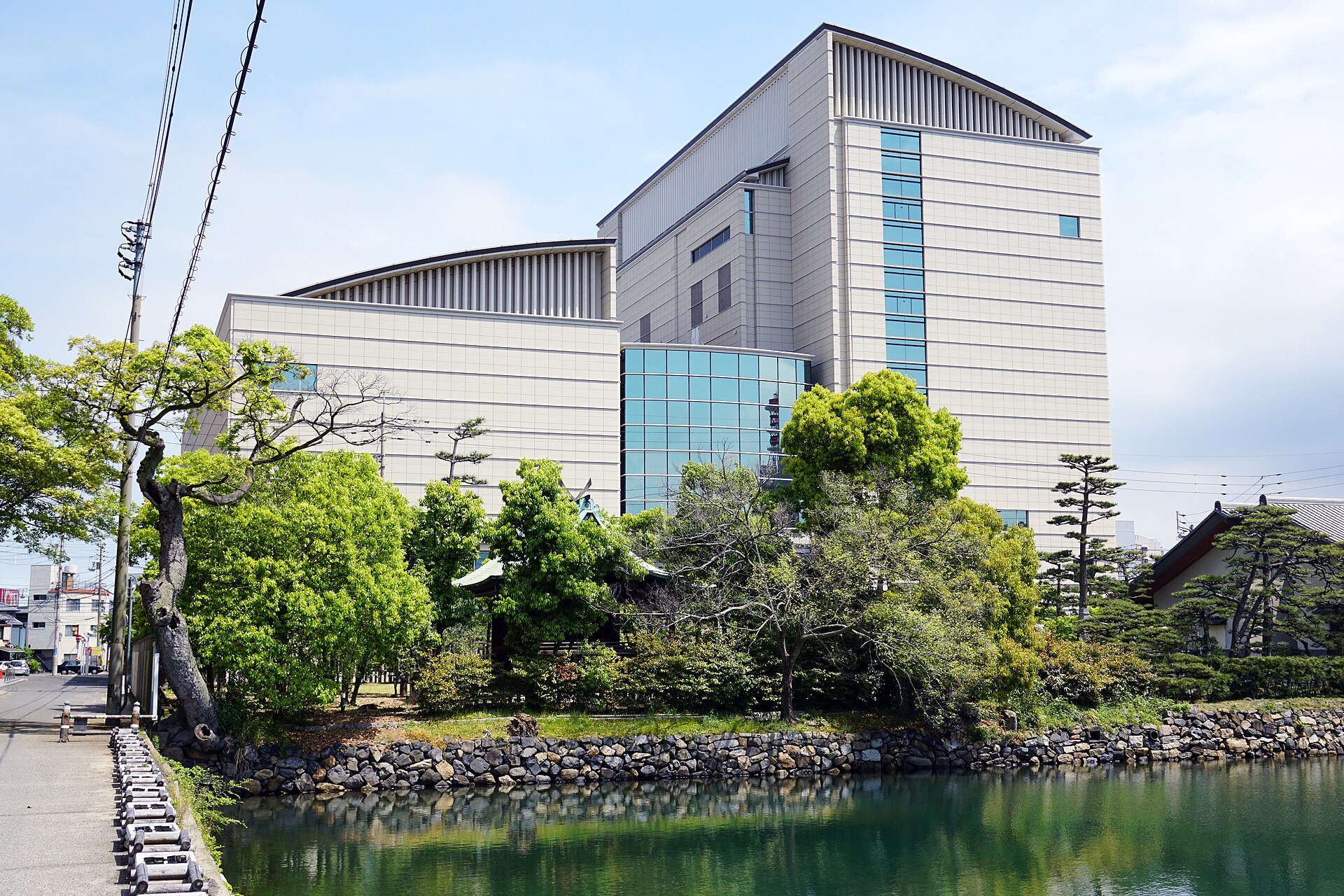
2015 museum exterior · artworks not shownPhoto: 663highland · Wikimedia Commons · CC BY 2.5 · Resized and cropped for display
The Kagawa Museum brings together paintings and prints of the prefecture, seen both as a hometown and as a place to visit. Seven works appear across the exhibition’s run, with two shown in different phases. This small collection display connects the scenery of a Kagawa trip with artists’ views of changing towns, coastal industry, temples and gardens.
Look at how each artist chooses to describe a place. Nakamura Eisuke’s Inokuma Residence (1979) finds an old house in a changing town, while Tanaka Takashi’s The Last Day of the Salt Fields (1972) records the year Kagawa’s salt fields were abolished. Fujishima Takeji’s Sunrise over Mount Goken (1932) captures a passing moment of dawn from Yashima. Kado Taku’s 艶景(讃山) (1983) brings several landmarks together symbolically, rather than painting a single literal view; Takeda Saburo’s Motoyamaji Temple (1980) uses the lines, restrained colour and empty spaces of a woodcut.
The two rotating works offer another comparison. Nakanishi Toshio’s Ritsurin Garden (1936), a watercolour arranging the garden in layers before Mount Shiun, is shown only from 1 September to 12 October. Hirayama Ikuo’s Tsuda Pine Grove (1988), with blue sea and a golden sky beyond the pines, follows from 14 October to 13 December. The museum is closed for the changeover on 13 October; the seven works are not all on view at once.
Official source noteAccess tipsGoogle Maps readyCheck before going
Venue
The Kagawa Museum — Permanent Exhibition Room 2, 2F
Nearest station
Kataharamachi Station
Reservation
Not confirmed — check the official page
October 18, 2026 – December 20, 2026Upcoming
Yusa Castle Autumn Tea Gatherings
Only 18 Oct, 15 Nov and 20 Dec. Seats start 09:30, 10:15, 11:00, 12:00, 13:00 and 14:00; 14:00 is the last seating, not a confirmed finish. Advance ¥900 / day ¥1,000. Morning seats can be busy; follow the host’s seating guidance and check ticket arrangements.
Tea and sweets offer a local cultural visit in suburban Konan; allow time to travel from central Takamatsu.
Venue
Konan Museum of History and Folklore, second training room, 253-1 Yusa, Konan-cho, Takamatsu
November 20, 2026 – November 29, 2026Upcoming
Ritsurin Garden Autumn Illumination
20–29 Nov at Ritsurin Garden. Programme details are expected in late October; check evening hours, admission and weather notices before travelling.
An autumn evening garden visit adds an outdoor choice beyond the city’s museums.
Venue
Ritsurin Garden, Takamatsu
Visitor planning notes
For one day, choose the city/Ritsurin axis, Yashima, or one island voyage rather than stacking all three. If weather or transport is uncertain, remove the ferry or mountain leg first and retain a city-centered plan; current ship, rail and bus operation still requires an official recheck.
Use JR Takamatsu Station as the rail arrival and onward-transfer anchor. The Sunport ferry area of Takamatsu Port is within walking reach, but it is a separate boarding place. Kotoden's Takamatsu-Chikko Station is another nearby station, not the JR station. Confirm the ferry operator's actual terminal before treating rail-to-port as a walking transfer.
For a first visit, start with the station and Sunport waterfront, then a selected central-city walk toward Marugamemachi shopping street. Keep this walk modest; the whole downtown and every port terminal are not one compact stop.
Use one land-based sequence: JR Takamatsu Station → station/port and central core → Ritsurin Garden if the return margin permits → back toward the station or your confirmed terminal. Ritsurin is a separate transport and garden-walking decision.
Choose one of three day shapes
For Ritsurin, walk to Kotoden Takamatsu-Chikko Station and take the Kotohira Line to Ritsurin-Koen Station, then walk to the garden entrance. Choose the Kotohira Line rather than assuming any departure from Takamatsu-Chikko reaches the garden. Use local rail for this leg instead of making an all-walking city-to-garden route the default.
An island crossing is a separate commitment, not an extra stop on this city-and-garden sequence. Choose one island only when its outward service, return service and boarding requirements fit; the nearby port does not guarantee a connection.
Before leaving the central core, check current Kotoden operation and Ritsurin access/opening notices. If a ferry drives the day, use the operator's terminal and service information to decide whether to omit the garden.
Choose Takamatsu for Setouchi choice
From Ritsurin Garden, walk back to Ritsurin-Koen Station and take the Kotohira Line toward Takamatsu-Chikko. From there, walk to JR Takamatsu Station for rail or the confirmed Sunport terminal for your sailing. From the central shopping area, allow for the walk back toward the station/port instead of treating the return as immediate.
Work backward from the fixed onward departure, allowing for walking, waiting, the train ride and movement inside the station or terminal. For a ferry, also protect the operator's required boarding margin; the ride time alone is not the transfer time.
If weather worsens, walking becomes tiring or the ferry/onward margin shrinks, keep only the station and a short central-core visit; skip Ritsurin and the optional island crossing. If already at the garden or farther into town, shorten the visit and return early.
A city route anchor that keeps the day clear
Choose the main city decision first, then let current transport, weather and the return plan determine whether another stop fits.
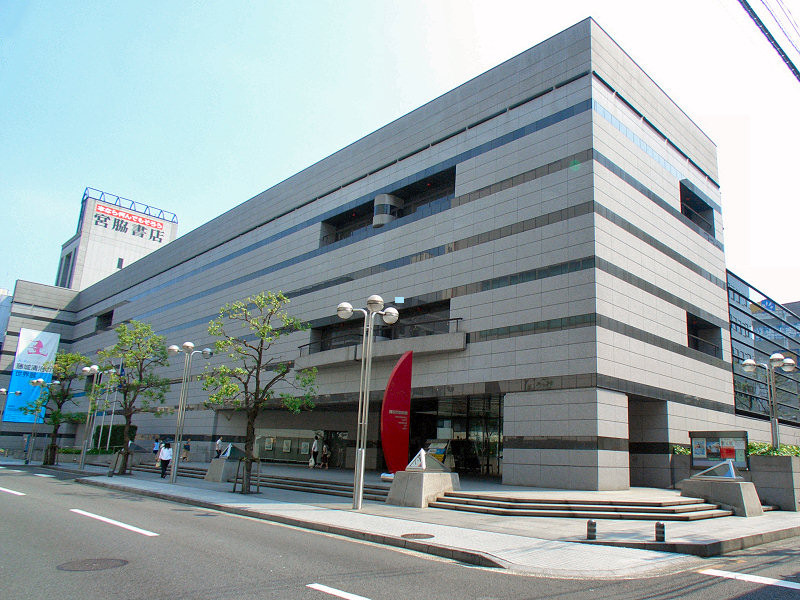
Photo: MK Products/source/CC BY-SA 3.0/Displayed with crop and resize for layout; no other changes.
A land-based city fallback before an island crossing
Use the city-museum image as central Takamatsu context. A confirmed indoor city stop can reduce weather exposure, while Ritsurin, Yashima and an island remain separate commitments.
Route
JR or Kotoden arrival → confirmed central indoor stop or Ritsurin choice → port only for a checked island plan
Planning judgment
Choose whether rail or port leads the day; keep the land route when weather, accessibility or ferry conditions weaken the outer plan.
Decision support for rail, garden or island choices
Choose whether rail or port leads the day, then use the guide that matches ferry weather, garden accessibility and luggage, or the protected return connection.
Autumn and winter items worth watching as route anchors. Published guides link to full visitor notes; planning-only leads still start from official sources.
Yashima Summit Sky Music 2026
The first four dates are listed for free viewing. The October 16–17 sessions at Reigan Chaya are listed at ¥3,000 and limited to 45 people per date, but the organizer only says ticket information will be announced from September 1, so the current purchase method and availability remain unconfirmed.
Timing
Official pages list six separate dates—August 22 and 29, September 4 and 5, and October 16 and 17—not a continuous run. Treat these as the schedule recorded on August 19, not confirmation that a session will take place, and recheck the official pages before departure.
Area
The sessions rotate among three named Yashima summit venues in Takamatsu: in front of Yashimaru, in front of Yashima no Yado Momotaro, and Reigan Chaya. Use those venue names as planning anchors; no exact address, entrance, walking route or travel time is established here.
Official access guidance points to JR Yashima Station and the Yashima Summit Shuttle Bus. Recheck current service and official notices before departure; the city page says sessions proceed in light rain and are cancelled in stormy weather, but actual weather, cancellation, occurrence, crowding, parking and accessibility remain unverified.