Kanji of Chinese Cuisine
The Kanji Museum uses familiar Chinese dish names to explore characters, cooking methods and the way food culture changes between China and Japan. Its second-floor exhibition combines word games, hands-on displays and a restaurant-style photo set. This is a language and culture visit, not a meal or tasting event.
Travel action
Open the route before you go
Use Google Maps as the final navigation check. Event areas, crowd controls, and station exits can change on the day.Event area
Check the venue or main event area and save it before leaving your hotel.
Nearest station
Check the station-side approach and keep one backup return route.
Photos
Photos and place context
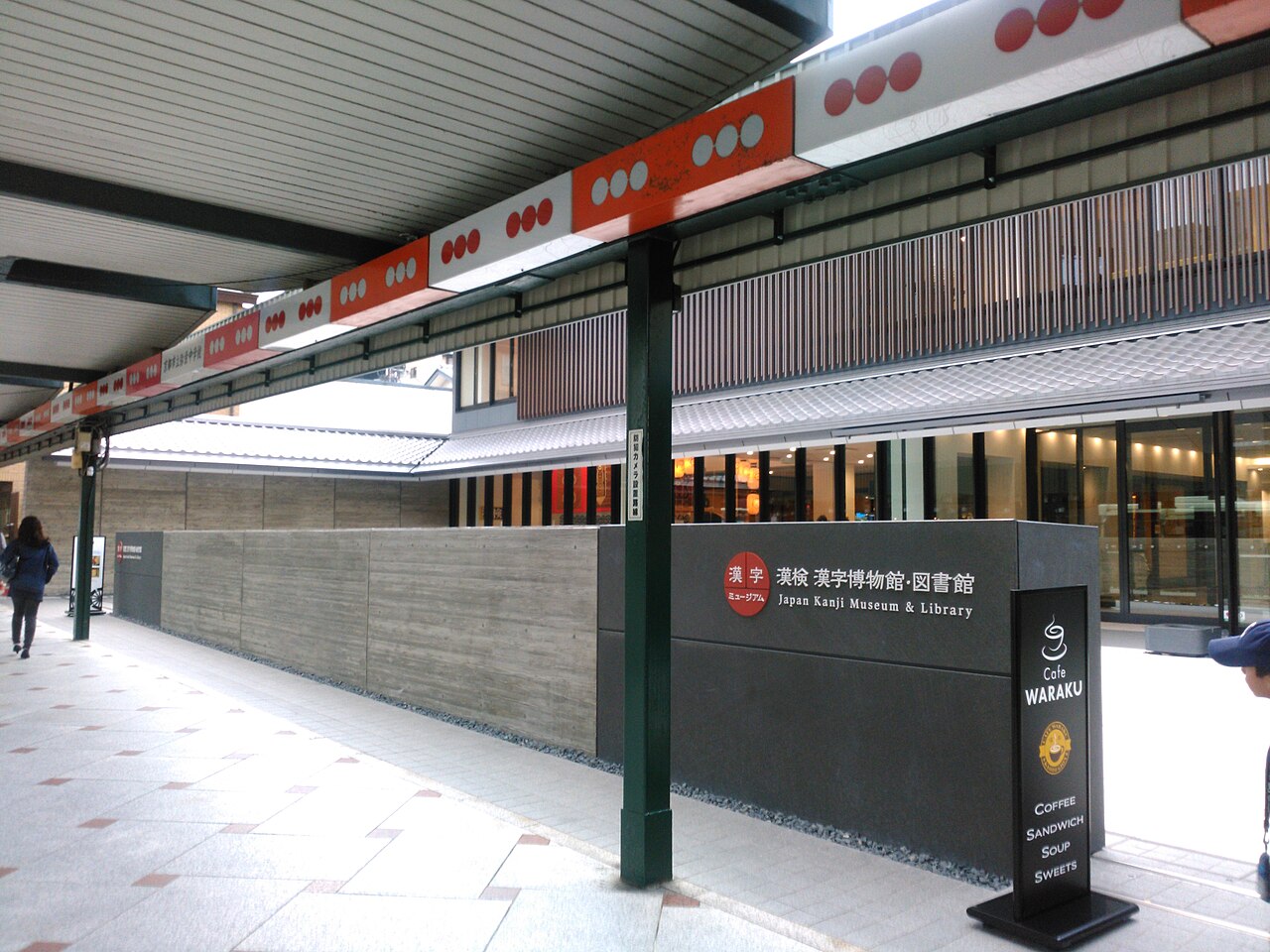
The Kanji Museum entrance in Kyoto, photographed on 30 March 2017. Historical venue context; not the 2026 Chinese-cuisine kanji exhibition. The old cafe sign does not indicate food service at this exhibition. Photo title: “漢字ミュージアム - 入口.jpg”. Wikimedia Commons resized this version; no further edits.
Photo: Lundariokn45sourceCC BY-SA 4.0
Visitor verdict
Six elements turn the theme into something you can explore. Pose in a Chinese-restaurant-style photo booth, then try an ingredient and dessert quiz: read the Chinese names, use the hints and open the doors to find their Japanese equivalents. A rotating table lets you connect dish names with the characters for cooking methods. The other sections explain the origins of names such as gyoza, spring rolls and bangbang chicken; introduce Chinese regional cuisines through their characteristics and seasoning words; and look at dishes developed in Japan, including ramen and Tenshinhan. Together they show how familiar menu words can carry a method, a story or a change of cultural context. The photo set represents a restaurant; it does not serve food.
Visitor friendliness
5 means easier and more rewarding for first-time visitors.
- Language friendliness
- Not scored
- Reservation ease
- Not scored
- Transport ease
- Not scored
- Crowd comfort
- Not scored
- Rain resilience
- Not scored
Practical information
- Reservation
- Not confirmed
- Tickets / booking
- The exhibition is included in museum admission. On A-rate dates, adults pay ¥900, high-school and university students ¥600, and elementary and junior-high students ¥400. On B-rate dates, the respective prices are ¥1,000, ¥700 and ¥500. Preschool children enter free. B rates apply on the designated holiday and long-vacation dates, including some weekdays; use the museum’s colour-coded calendar for your date. Adults accompanying school pupils receive ¥300 off, up to two adults per pupil. Discounts cannot be combined. Holders of the listed disability certificates or Mirairo ID pay half price, with one carer admitted free.
- Price note
- A dates: adult ¥900 / high-school and university ¥600 / elementary and junior-high ¥400. B dates: ¥1,000 / ¥700 / ¥500. Preschool free. B can apply on weekdays; check the dated calendar. No extra exhibition fee.
- Access
- The Kanji Museum is at 551 Gionmachi Minamigawa, Higashiyama-ku, Kyoto. Walk toward Yasaka Shrine from Gion-Shijo Station exit 6, about five minutes, or from Kyoto-Kawaramachi Station’s Kiyamachi South exit, about eight minutes. From Higashiyama Station exit 2, walk south along Higashioji Street for about ten minutes. The Gion bus stop is close by. There is no car park and bicycle parking is limited; public transport is the practical approach. The temporary exhibition is on the second floor, reached by lift as well as the museum’s normal circulation route.
- Rain
- The exhibition is indoors and can form a sheltered part of a Gion visit, although the approach from the station remains outdoors. Food and drink are not allowed in the exhibition rooms, so plan an actual meal separately from the food-themed displays.
- Crowds
- The museum may limit admission when crowded. The temporary exhibition page does not advertise a separate booking requirement or timed programme, so plan around ordinary museum entry rather than a reserved activity slot. Allow others to use the quiz doors, rotating table and photo booth; the museum asks visitors not to occupy interactive displays for long periods.
Recommended for
Families with school-age children and visitors interested in kanji, food names or differences between Chinese and Japanese usage. Readers of Chinese can compare familiar characters with the meanings and dish names used in Japan, while the quiz doors and rotating table give families activities to discuss together.
Not recommended for
Choose another stop if you want to eat, taste dishes or watch a cooking demonstration. Japanese reading ability will help with the word-based activities. The museum advertises a general multilingual audio guide, but does not confirm that it covers this temporary exhibition; translated labels or audio for these displays should not be assumed.
Nearby / itinerary
- Nearby spots
- The museum’s station directions lead toward Yasaka Shrine, which makes the exhibition easy to place within a Gion walk. Use the museum for the language-focused part of the outing and keep restaurant time separate: the restaurant-style booth is only a setting for photographs.
- Itinerary hint
- Start with a familiar dish name, try the ingredient quiz, then compare the cooking-method characters with the sections on regional cuisine and dishes developed in Japan. Before choosing a date, consult the museum’s opening and price calendar: 2 November is marked open, while 4 November is closed. The published 2026 plan was compiled in October 2025 and may change, so confirm the current calendar and notices on the Kanji Museum website before travelling. Its dedicated exhibition page explains the activities, and its visitor guide gives admission, accessibility and crowd restrictions.
Source and updates
- Event verified
- Sep 18, 2026
- Source checked
- Sep 18, 2026
Details can change after publication. Always confirm dates, tickets, access, and cancellation notices with the official source before you go.