Traveling and Painting: Kawase Hasui and Yoshida Hiroshi
Kawase Hasui and Yoshida Hiroshi turned travel sketches into landscape prints during the Taisho and Showa eras. At the Japan Ukiyo-e Museum, their representative series show how traditional woodblock techniques could create new impressions of mountains, cities and the sea. The exhibition has two phases, with every work replaced between them.
Travel action
Open the route before you go
Use Google Maps as the final navigation check. Event areas, crowd controls, and station exits can change on the day.Event area
Check the venue or main event area and save it before leaving your hotel.
Nearest station
Check the station-side approach and keep one backup return route.
Photos
Photos and place context
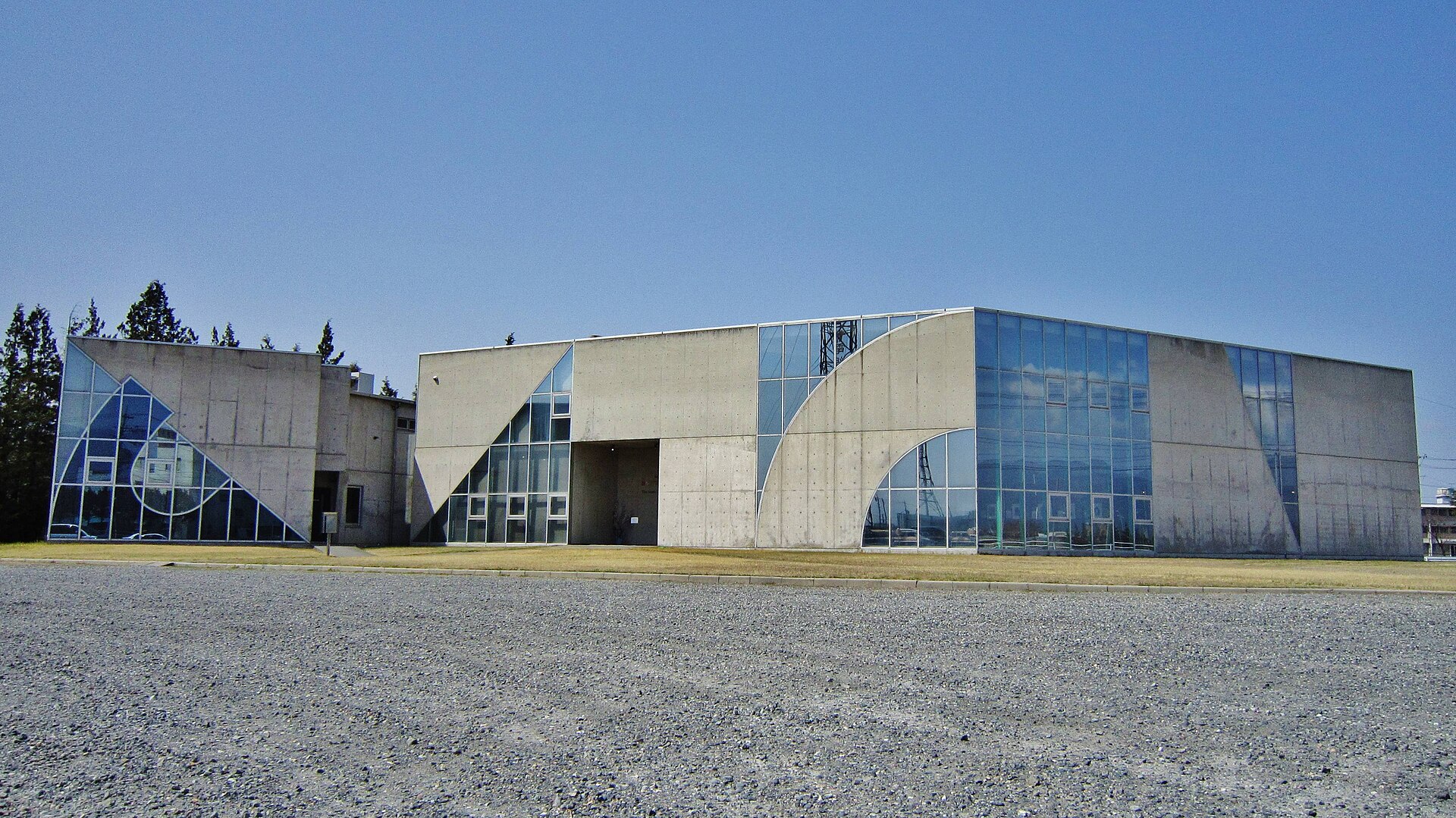
Japan Ukiyo-e Museum exterior, photographed on 10 April 2011. Historical venue context, not the 2026 Hasui and Yoshida exhibition or an image of any displayed print. Photo title: “Japan Ukiyo-e Museum.jpg”. Wikimedia Commons resized this version; no further edits.
Photo: QurrensourceCC BY-SA 3.0
Visitor verdict
The first phase, 16 September–1 November, includes Hasui’s Night at Shinkawa from Twelve Tokyo Views and Taisho Pond at Kamikochi. Yoshida’s Glittering Sea from the Inland Sea series and Morning at Tsurugi from Twelve Scenes in the Japanese Alps offer a comparison between water, mountain forms and changing light. Takahashi Shotei’s Snow on the Ayase River is also assigned to this phase. The second phase, 3 November–20 December, brings Hasui’s Zojoji Temple at Shiba and the Golden Hall at Chusonji, alongside Yoshida’s Breithorn and Evening after Rain. Ito Shinsui’s Hira from Eight Views of Omi belongs to this phase too. Follow how each artist translates a place into lines, colour and atmosphere; choosing a phase matters because none of the first-phase works stays on display for the second.
Visitor friendliness
5 means easier and more rewarding for first-time visitors.
- Language friendliness
- Not scored
- Reservation ease
- Not scored
- Transport ease
- Not scored
- Crowd comfort
- Not scored
- Rain resilience
- Not scored
Practical information
- Reservation
- Not confirmed
- Tickets / booking
- Adults ¥1,000; junior-high, high-school and university students ¥500; elementary-school children and younger enter free. The exhibition lists reduced prices of ¥900/¥400 for groups of 20 or more, visitors aged 60 or over, disability-certificate holders and JAF members with their card. Tickets can be bought at the counter on the day. Keep your exhibition ticket if planning another visit: a repeat-visitor discount applies to this exhibition only and cannot be combined with other discounts. Ask the counter for the applicable repeat price.
- Price note
- Adults ¥1,000; junior-high, high-school and university students ¥500; elementary-school children and younger free. Listed concessions ¥900/¥400; ask about the repeat-visitor discount.
- Access
- The museum is at 2206-1 Shimadachi. From Matsumoto Station’s Alps exit, take the Matsumoto–Shimauchi bus to Ukiyo-e Hakubutsukan/Rekishi no Sato. Alternatively, take the railway to Oniwa Station and follow the museum’s published 15-minute walking route. The current museum bus notice includes Sunday and public-holiday service, but the 12:27 return departure does not run on Saturdays, Sundays or public holidays.
- Rain
- The prints are displayed indoors, but the walk between Oniwa Station and the museum is outdoors. Plan your return before arrival: the museum warns that taxis may be unavailable on weekday evenings and weekends and that it cannot reserve them for visitors. Its suggested rail alternative is via Oniwa Station.
- Crowds
- Gallery talks take place at 14:00 on 19 September and 8 November, lasting about 30 minutes. No application is needed, but an exhibition ticket is required. The notice gives no attendance limit, so ask the museum about same-day arrangements if the talk is the main reason for your visit.
Recommended for
Landscape-print enthusiasts and travellers interested in sketching, mountain scenery or coastal views. The Kamikochi and Japanese Alps subjects in the first phase connect particularly well with travel around Matsumoto, while the second phase extends the comparison to European scenery and different Japanese locations.
Not recommended for
If you are travelling to see one named print, choose its display phase first. The museum is closed on 2 November for the gap between phases, and a single visit will not show both groups of works.
Nearby / itinerary
- Nearby spots
- The nearby Rekishi no Sato is named in the same bus stop. The museum’s visitor guide also lists a ¥100 reduction when presenting a Rekishi no Sato ticket stub. If combining the two, check each venue’s hours and allow for the return bus or the walk to Oniwa.
- Itinerary hint
- Choose the phase around the works you want, then plan the return journey. All works change after 1 November, and the second phase begins on 3 November. The museum opens on 21–23 September and closes on 24 September instead. Its exhibition page gives the phase-specific works and talks; the current bus and taxi notices explain the return constraints. For repeat-ticket prices, talk arrangements or travel updates, contact the Japan Ukiyo-e Museum on 0263-47-4440.
Source and updates
- Primary source
- Japan Ukiyo-e Museum
- Event verified
- Sep 18, 2026
- Source checked
- Sep 18, 2026
Details can change after publication. Always confirm dates, tickets, access, and cancellation notices with the official source before you go.