Saka no Ue no Kumo: Meiji Intelligence
The Saka no Ue no Kumo Museum’s 19th thematic exhibition explores the knowledge, judgement and abilities of Meiji figures in politics, diplomacy and the military. Documents and personal objects connect people appearing in the novel with the turbulent years around the 1894 Sino-Japanese War, the Triple Intervention and growing tensions between Japan and Russia.
Travel action
Open the route before you go
Use Google Maps as the final navigation check. Event areas, crowd controls, and station exits can change on the day.Event area
Check the venue or main event area and save it before leaving your hotel.
Nearest station
Check the station-side approach and keep one backup return route.
Photos
Photos and place context
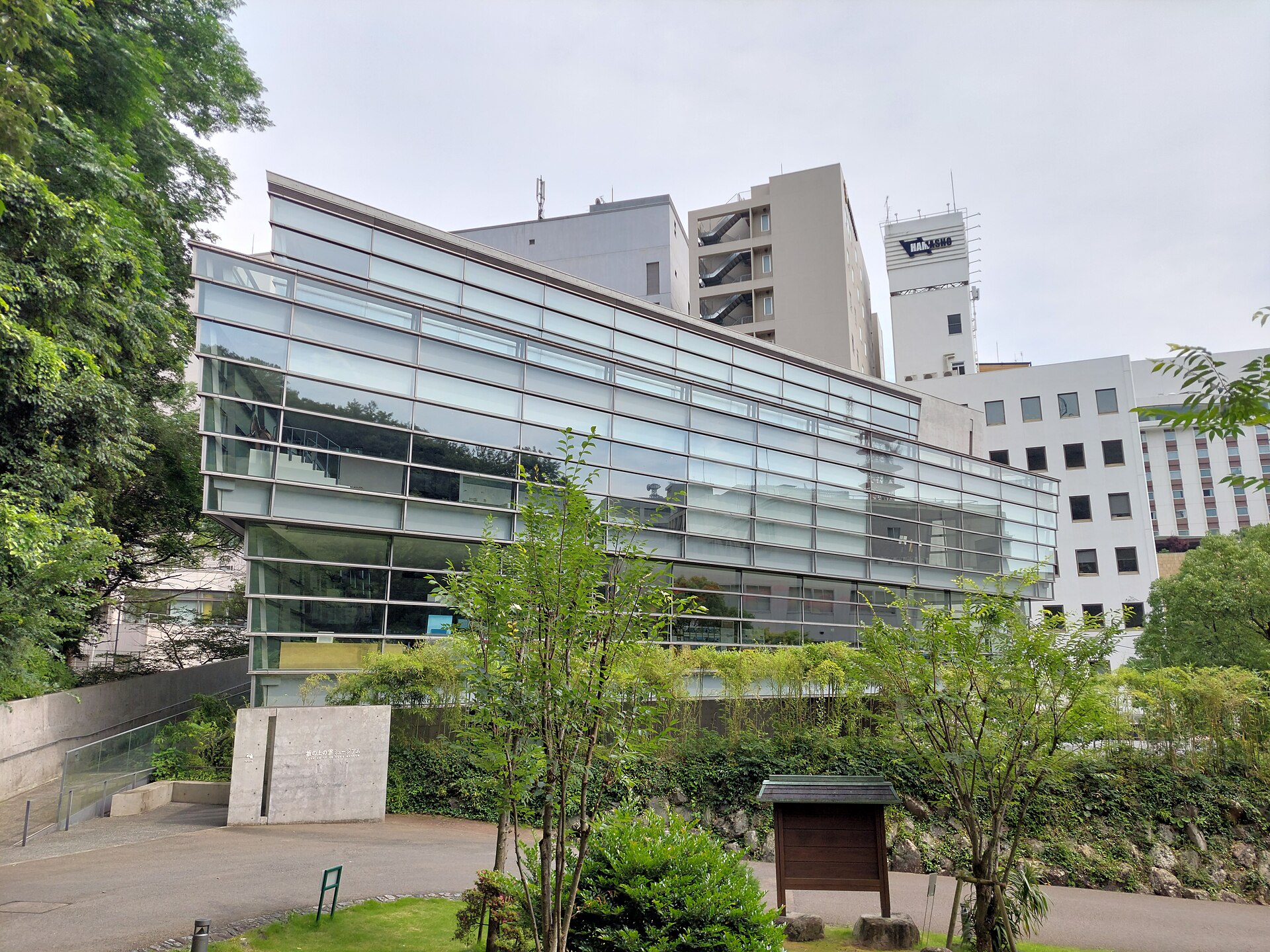
Saka no Ue no Kumo Museum exterior, photographed on 4 July 2023. Historical venue context; it does not document the 2026 Meiji Intelligence exhibition in Room 3. Photo title: “2023年7月-坂上之雲博物館A.jpg”. Wikimedia Commons resized this version; no further edits.
Photo: 建園春秋sourceCC BY-SA 4.0
Visitor verdict
Five objects offer different ways into that history: Saigo Tsugumichi’s admiral shoulder boards, an Order of the Sacred Treasure breast star associated with Hayashi Tadasu, Tamura Iyozo’s military-academy diploma, a letter from Akashi Motojiro to Kato Takusen, and dagger fittings owned by Yamamoto Gonnohyoe. They bring correspondence, education, rank and public service into the same exhibition. Compare what each kind of object can tell you. A letter is evidence of communication between people, a diploma records training, and insignia makes an official position visible. Looking at these differences gives a more varied account of the people behind the novel than a sequence of battles alone. The exhibition’s use of “intelligence” centres on historical wisdom and capability in a period of international crisis.
Visitor friendliness
5 means easier and more rewarding for first-time visitors.
- Language friendliness
- Not scored
- Reservation ease
- Not scored
- Transport ease
- Not scored
- Crowd comfort
- Not scored
- Rain resilience
- Not scored
Practical information
- Reservation
- Not confirmed
- Tickets / booking
- Exhibition-room admission is ¥500 for adults and ¥250 for high-school students and visitors aged 65 or over; middle-school students and younger enter free. Groups of 20 or more pay ¥400, ¥120 and ¥200 respectively for adults, high-school students and visitors aged 65 or over. Bring proof of age for the senior rate. Holders of the specified disability certificates and one caregiver enter free with proof. The second floor is free to enter, but this exhibition is in the paid fourth-floor area. Cash, cards, electronic money and QR payments are accepted.
- Price note
- Adults ¥500; high-school students and visitors aged 65 or over ¥250; middle-school students and younger free. This fourth-floor exhibition requires exhibition-room admission; second-floor entry is free.
- Access
- The museum is at 3-20 Ichibancho. Alight at Okaido by tram or bus, then walk about two minutes to the museum; the exhibition is in fourth-floor Exhibition Room 3. There is no general visitor car park. Use public transport or nearby paid parking; visitors needing one of the six accessible parking spaces should contact the museum. Last entry is 18:00, with closing at 18:30.
- Rain
- The exhibition is indoors and the Okaido approach is short. The optional ¥100 audio guide covers museum displays and the building, with a listening time of about 50–60 minutes. Japanese, English, Chinese, Korean and Taiwanese Mandarin are offered; ask about coverage of this temporary exhibition if language support is important to you.
- Crowds
- Close-up photography of exhibits and books is prohibited unless a display is specifically marked as permitting it. Building and equipment photography is allowed for personal use, without flash or tripods. Keep other visitors’ privacy and movement in mind, and follow any instructions beside the objects.
Recommended for
Readers of Saka no Ue no Kumo and visitors interested in Meiji history, foreign relations and the connection between individuals and institutions. It can give historical depth to a Matsuyama day that also includes the Akiyama brothers’ birthplace.
Not recommended for
The focus is historical documents and objects. Visitors who need language support should ask about the temporary exhibition before travelling: the museum offers a multilingual general audio guide, but that does not establish that every temporary label or explanation is translated.
Nearby / itinerary
- Nearby spots
- The museum gives walking connections of about three minutes to Bansuiso, five minutes to the Akiyama Brothers’ Birthplace and eight minutes to the Matsuyama Castle ropeway station. These can form a city-centre sequence around the exhibition, with their own opening and admission arrangements.
- Itinerary hint
- Use the objects to compare correspondence, training and official status, then connect that history with the nearby Akiyama site if it fits your day. Follow the museum’s dated closure calendar rather than assuming every Monday is closed: the published September–December closures are 14 and 28 September, 5 and 26 October, 9 and 16 November, and 7 and 21 December. The exhibition remains open on 1–3 January 2027. Planned works begin on 4 January, after this exhibition has ended. The exhibition page identifies the historical material; the calendar and visitor guide give current opening and admission conditions. Call 089-915-2600 for display, language or access questions.
Source and updates
- Primary source
- Saka no Ue no Kumo Museum / Matsuyama City
- Event verified
- Sep 18, 2026
- Source checked
- Sep 18, 2026
Details can change after publication. Always confirm dates, tickets, access, and cancellation notices with the official source before you go.