Otoroshii Mon: History and Art of Fear
Otoroshii Mon brings together about 70 objects to explore fear through the history and art of Kagawa. The title comes from a Sanuki expression for frightening things. Temple images, supernatural tales, records of disaster and protective objects show how people have pictured forces they could not explain or control. The exhibition is in the Kagawa Museum’s special exhibition room, with a change of some works between its August and September–October phases.
Travel action
Open the route before you go
Use Google Maps as the final navigation check. Event areas, crowd controls, and station exits can change on the day.Event area
Check the venue or main event area and save it before leaving your hotel.
Nearest station
Check the station-side approach and keep one backup return route.
Photos
Photos and place context
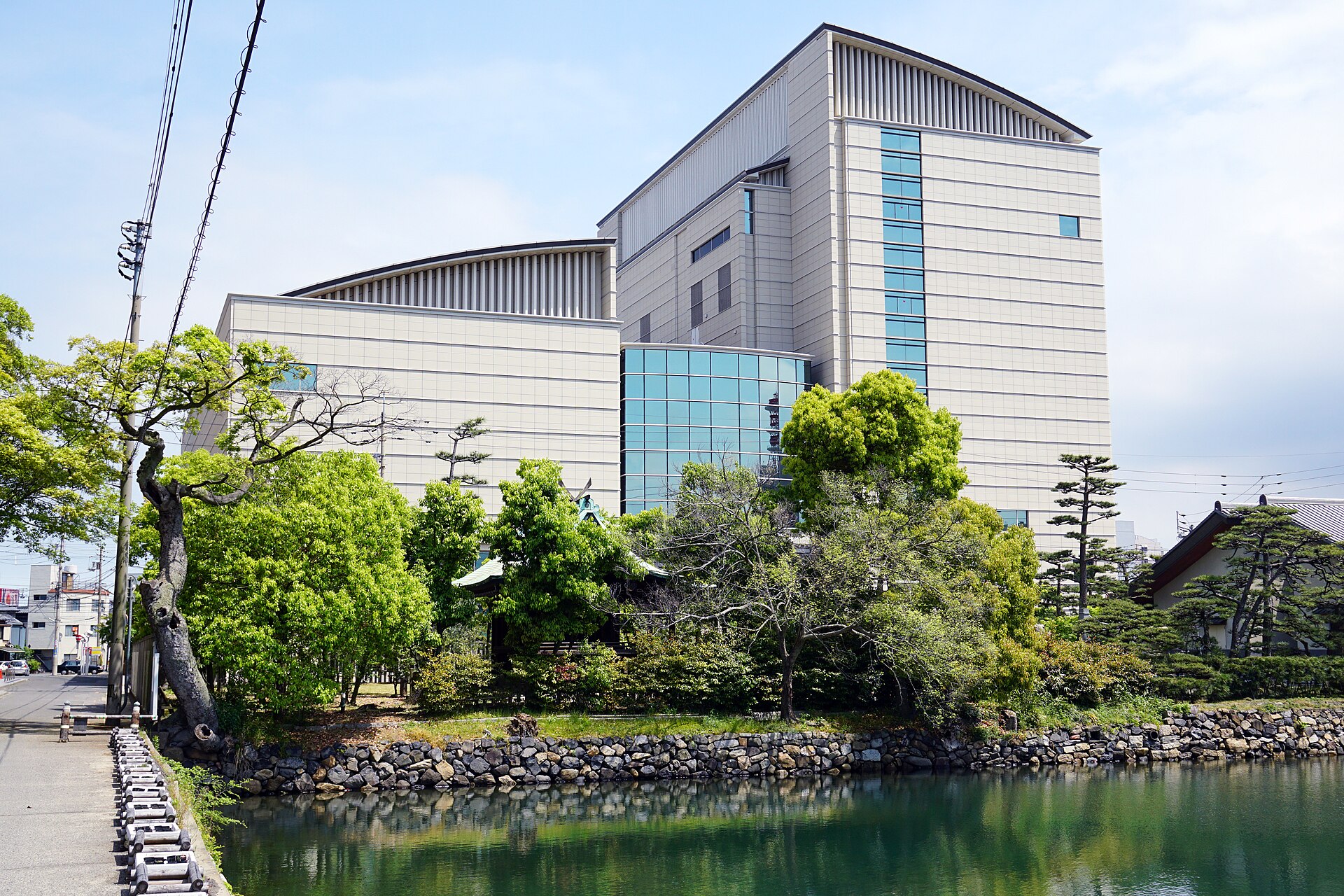
Venue context: the Kagawa Museum exterior, photographed on 4 May 2015. This is not a photograph of the 2026 exhibition or its displayed works. Photo title: “150504 The Kagawa Museum Takamatsu Kagawa pref Japan01n.jpg”. Wikimedia Commons resized this version; no further edits.
Visitor verdict
The six sections move from the question of what feels frightening to scenes of hell, spirits connected with Sanuki, yokai, natural disasters and ways of overcoming fear. This gives the visit a clear progression: compare images intended to frighten with objects used for comfort or protection. The local material includes stories of Emperor Sutoku and the Heike, alongside works borrowed from Negoro-ji, Kotohira-gu and Kagawa University Library. The published highlights include Kikuchi Yosai’s 1873 portrait of Emperor Sutoku, Ishida Sekko’s 1808 image of the Ushioni and objects used in prayer or protection. Utagawa Yoshitsuya’s 1858 undersea scene, Yashima Dan-no-ura Kaitei no Zu, is specifically listed for the second phase. Some displays change between phases, including scenes from Ikuta Kyuichi’s Night Parade of One Hundred Demons; consult the current display information if one work is the reason for your visit.
Visitor friendliness
5 means easier and more rewarding for first-time visitors.
- Language friendliness
- Not scored
- Reservation ease
- Not scored
- Transport ease
- Not scored
- Crowd comfort
- Not scored
- Rain resilience
- Not scored
Practical information
- Reservation
- Not confirmed
- Tickets / booking
- General admission is ¥800; groups of 20 or more pay ¥650 each. The ¥650 advance-ticket sale ended on 31 July. Admission is free for high-school students and younger visitors, Kagawa residents aged 65 or over, and holders of the specified disability or medical certificates and their caregivers; bring the relevant proof. The special-exhibition ticket also admits you to the permanent collection. Related talks and workshops have their own participation rules, and some require a separate booking.
- Price note
- Adults ¥800; groups of 20 or more ¥650. Eligible visitors enter free. Includes the permanent collection. Advance sales ended 31 July.
- Access
- The museum is at 5-5 Tamamocho: 900 m east of JR Takamatsu Station, 800 m east of Kotoden Takamatsu-Chikko Station or 500 m north of Kataharamachi Station. East-side piloti parking and bicycle parking are restricted during earthquake-resistance work, planned through 22 December 2026. Use the temporary bicycle area on the north side; visitors requiring vehicle access should consult the museum’s construction notice before arrival.
- Rain
- The exhibition is indoors. If combining it with an outdoor walk, use the museum visit around the weather and check the museum’s latest notices before travelling. On 19–23 September it stays open until 20:00, with admission ending at 19:30.
- Crowds
- On 19 and 20 September, the library corner is unavailable from 09:00 to 20:00 and the learning room from 13:00 to 20:00 because of museum activities. These restrictions affect those facilities; the special exhibition follows its published opening hours.
Recommended for
A good choice for visitors interested in Japanese folklore, regional history and the way pictures and everyday objects express fear. Its Kagawa connections give a Takamatsu museum visit a local focus, while the six themes make it possible to compare supernatural fears with experiences of natural disaster.
Not recommended for
Choose this for an exhibition of objects and images rather than a walk-through horror attraction. A visit during September or October will not reproduce the August display, so it is less suitable if your sole aim is a work shown only in the first phase.
Nearby / itinerary
- Nearby spots
- Tamamo Park is next to the museum. The museum’s access guide describes a route from the park’s east entrance to the museum’s west entrance, so the two can form a walking sequence. Check the park’s own hours and admission separately.
- Itinerary hint
- Start with the six exhibition themes, then use the same ticket for the permanent collection if time allows. On 19–23 September, the extended evening opening can help fit the museum around a daytime Takamatsu walk. Keep the 30-minute last-entry cutoff and remaining closures on 24 and 28 September in the plan.
Source and updates
- Event verified
- Sep 18, 2026
- Source checked
- Sep 18, 2026
Details can change after publication. Always confirm dates, tickets, access, and cancellation notices with the official source before you go.